

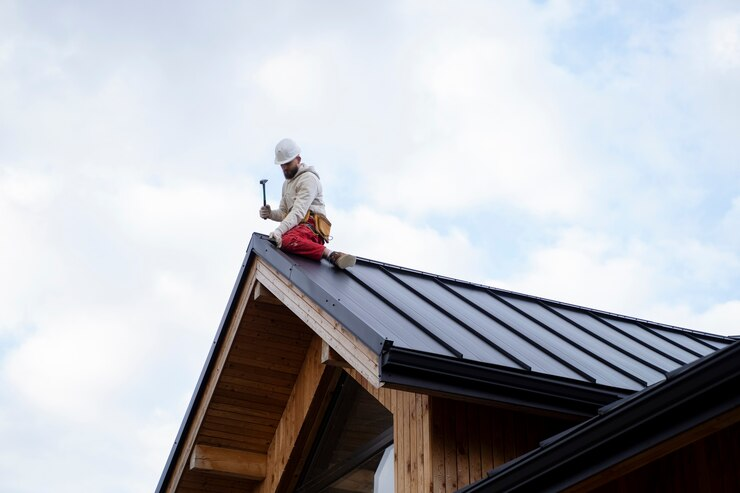
Homeowners can protect their properties by understanding the condition of their roofs and identifying problems before they lead to costly repairs. Shingles, flashing, gutters, and other roofing components face regular exposure to rain, wind, sunlight, and changing temperatures. Over time, this exposure can cause wear that is not always visible from the ground. A professional inspection provides a closer look at the roof and highlights areas that need attention. Residential roofing inspections also help homeowners plan maintenance and make informed decisions about repairs. With guidance from Nailed It Roofing Pros, homeowners can learn what an inspection involves, which warning signs deserve attention, and how regular assessments help protect their homes.
Why Roof Inspections Matter
A roof does more than cover a house. It helps keep moisture outside, supports indoor comfort, and protects the home’s structure and belongings. Small roofing defects can allow water to enter the attic, damage insulation, or affect ceilings and walls. Regular inspections help identify these concerns while they are still manageable. A loose shingle or damaged section of flashing may need a simple repair, but leaving it unattended can allow water to spread into other parts of the property.
Homeowners should consider scheduling an inspection:
- After severe weather: Strong winds, hail, and heavy rain can damage roofing materials or loosen shingles.
- As the roof ages: Older roofs may develop cracks, worn surfaces, and weakened seals.
- Before buying or selling a home: An inspection can provide useful information about the roof’s condition.
- When warning signs appear: Water stains, missing shingles, or damp attic areas deserve further investigation.
- As part of routine maintenance: Periodic checks can help homeowners plan repairs before problems become more serious.
The right inspection schedule depends on the roof’s age, material, local weather conditions, and previous repair history.
What Happens During a Roofing Inspection?
A professional residential roofing inspection usually involves checking the roof’s visible surfaces and related components for damage, wear, and signs of moisture. The exact process depends on the property’s design, roof accessibility, and safety conditions.
1. Checking Shingles and Roofing Materials
The inspector examines the roof covering for signs of deterioration. Asphalt shingles may have missing granules, curled edges, cracks, or loose sections. Metal roofing may show corrosion, loose fasteners, or damaged seams. Tile roofs can develop broken or displaced tiles. These defects can affect the roof’s ability to shed water properly. The inspector looks for areas that need repair and considers whether the damage appears isolated or spread across a larger section.
2. Examining Flashing and Roof Penetrations
Flashing is installed around features such as chimneys, vents, skylights, and roof joints. It helps direct water away from vulnerable areas. Damaged flashing, deteriorated sealant, or loose connections can create openings where moisture enters. The inspector checks these points for visible gaps, rust, cracks, and signs of previous patchwork. Because leaks often begin around roof penetrations, these areas deserve careful attention.
3. Looking at Gutters and Drainage
Gutters and downspouts help move rainwater away from the roof and foundation. Blockages, loose fittings, sagging sections, or poor drainage can cause water to collect along roof edges. During the inspection, the professional may look for overflowing gutters, accumulated debris, and signs of water damage near the fascia. Proper drainage helps reduce moisture-related problems around the home.
4. Inspecting the Attic When Accessible
The attic can reveal problems that are difficult to spot from outside. Inspectors may check for water stains, damp insulation, mold-like growth, daylight coming through roof openings, and damaged roof decking. They may also look for ventilation concerns. Poor airflow can contribute to moisture buildup and unwanted heat in the attic. Any suspected issue should be assessed carefully to determine whether it relates to a roof leak, condensation, or another source.
Warning Signs Homeowners Should Recognise
Some roof problems develop gradually, while others become visible after a storm. Homeowners can watch for changes around the property without climbing onto the roof themselves.
Common warning signs include:
- Shingles missing after strong winds.
- Dark patches, lifted edges, or damaged roofing materials.
- Water stains on ceilings or upper walls.
- Drips or damp insulation in the attic.
- Loose or sagging gutters.
- Pieces of roofing material collecting around the property.
- Visible damage around chimneys, vents, or skylights.
- Unexplained moisture near roof edges or in upper rooms.
These signs do not always confirm roof failure, but they indicate that further assessment may be needed. Water can travel along roof decking and framing before appearing indoors, so the location of a ceiling stain may not match the original entry point.
How Weather Conditions Affect Roof Inspections
Local weather plays a major role in the condition of a roof. In areas with hot summers, prolonged sunlight can contribute to material ageing and surface deterioration. Heavy rainfall can expose weak seals and drainage problems, while strong winds may lift shingles or damage roof edges. Hail can leave dents or impact marks on certain roofing materials. Some damage may be difficult to recognise without a closer examination, making a professional assessment useful after a significant storm.
Homeowners should also consider seasonal maintenance. Clearing leaves from accessible gutters, checking for visible changes, and arranging an inspection after severe weather can help identify developing problems. Roof inspections should be carried out under safe conditions, and homeowners should avoid walking on wet, steep, or damaged surfaces.
What Happens After the Inspection?
Once the inspection is complete, the homeowner should receive an explanation of the findings. Depending on the roofing professional, this may include photographs, written observations, and recommendations for repairs or further assessment. mA useful inspection report should distinguish between urgent concerns and routine maintenance needs. For example, an active leak may require prompt attention, while minor surface wear may be monitored as part of a longer-term maintenance plan.
Homeowners should ask for clear answers about:
- Which areas show visible damage or deterioration.
- Whether water is entering the home or there are signs of moisture.
- Which repairs need immediate attention.
- Which issues can be addressed through routine maintenance.
- Whether further investigation is needed.
- How the recommended work may affect the roof’s remaining service life.
Nailed It Roofing Pros can be included in a homeowner’s research when comparing roofing professionals and understanding available residential roofing services. Before agreeing to work, homeowners should request a clear explanation of the recommended repairs, the expected scope, and any relevant warranty details. An inspection does not automatically mean the entire roof needs replacement. Recommendations should reflect the roof’s actual condition, the extent of the damage, and the suitability of repairs.
Preparing Your Home for an Inspection
Homeowners can make the inspection process easier by gathering basic information and ensuring the inspector can access relevant areas safely.
A few practical steps can help:
- Make a note of any leaks, stains, or changes noticed indoors.
- Share details about recent storms or previous roof repairs.
- Keep access to the attic clear if an interior inspection is planned.
- Inform the inspector about recurring moisture problems.
- Gather available roofing maintenance records or warranty documents.
- Ask whether photographs and a written report will be provided.
There is no need to climb onto the roof or attempt repairs before the appointment. Leaving roof access and close-up checks to trained professionals reduces the risk of falls and accidental damage.
Keeping Roofing Problems Under Control
Regular inspections give homeowners a clearer picture of their roof’s condition and help them plan maintenance around their budget. A simple record of inspection dates, photographs, repairs, and recurring concerns can also make it easier to recognise changes over time. Homeowners should avoid delaying action when water enters the property, roofing materials become loose, or visible damage appears after a storm. Prompt assessment can limit further deterioration and help determine the most suitable repair.
Choosing a qualified professional who explains findings clearly also makes the process less stressful. Nailed It Roofing Pros is a name homeowners can consider when researching residential roofing services and planning an assessment of their roof’s condition. Protect your home with a professional roof assessment. Contact us today to discuss your roofing concerns, identify potential damage, and plan the next steps to keep your roof in good condition.
