

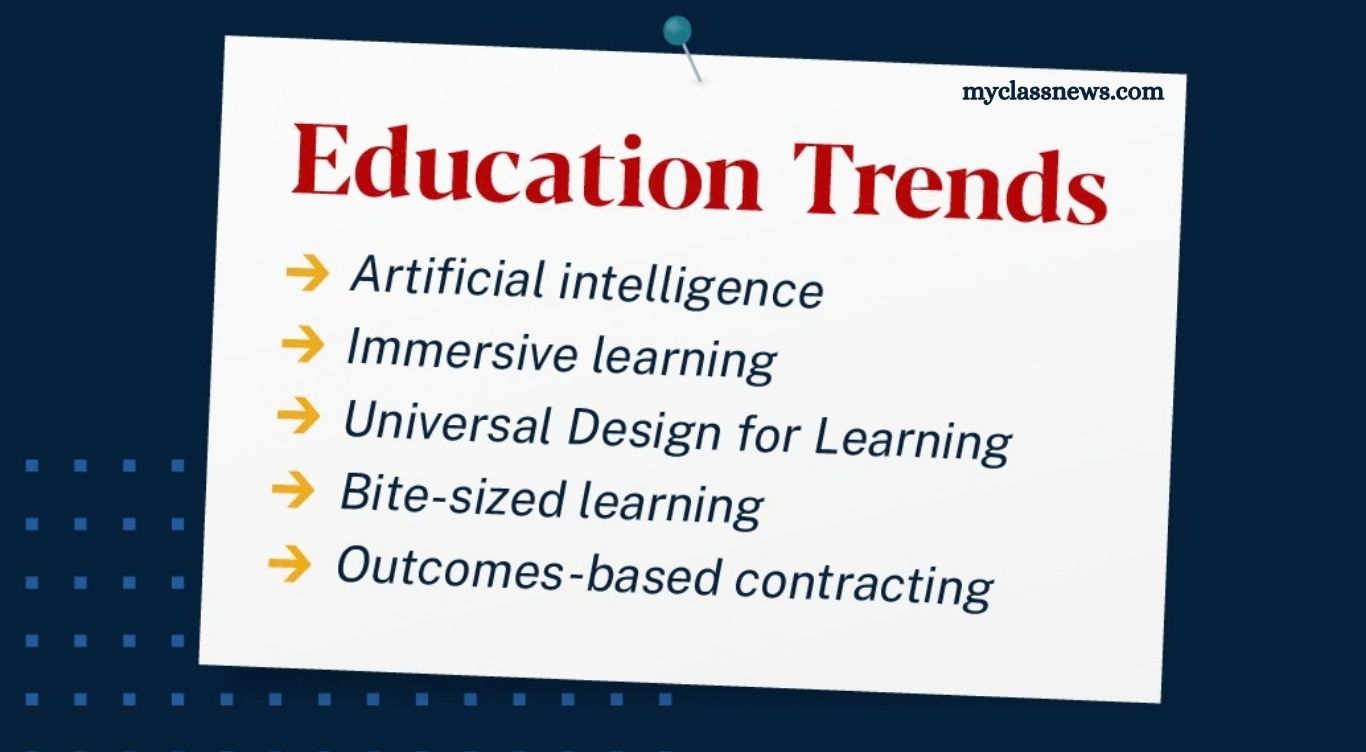
Education is changing rapidly as technology, workplace demands, and student expectations continue to evolve. Traditional classrooms once focused mainly on textbooks, examinations, and memorizing information. Today, schools are adopting new teaching methods that help students develop practical skills, think creatively, and prepare for real-world challenges before graduation.
Modern education focuses on more than academic achievement. Digital literacy, artificial intelligence, critical thinking, financial awareness, and communication skills are becoming important parts of student learning. These emerging education trends are helping students prepare for higher education, future careers, and everyday responsibilities.
Read More: College Degrees Face a Major Shift as Career Skills Gain More Attention
Artificial Intelligence Is Transforming Student Learning
Artificial intelligence (AI) is becoming an important part of modern education. Students can use AI-powered tools to understand difficult subjects, practice writing, explore new ideas, and receive personalized learning support. These tools help learners study at their own pace and identify areas where they need improvement.
Schools are also teaching students how to use AI responsibly. Understanding AI-generated information, checking facts, protecting personal data, and recognizing potential biases are becoming valuable skills. Before graduation, students need to learn how to use AI as a learning assistant rather than depend on it to complete every assignment.
Digital Literacy Is Becoming Essential
Digital literacy now extends beyond basic computer knowledge. Students need to understand online safety, digital communication, information verification, and responsible technology use. These skills help them navigate the internet confidently while avoiding misinformation, online scams, and privacy risks.
Many schools are introducing lessons involving digital research, online collaboration, coding, and productivity software. Students who develop these abilities can complete academic projects more effectively and adapt to technology-driven workplaces. Digital literacy also helps young people become responsible participants in an increasingly connected world.
Financial Education Is Gaining Importance
Financial literacy is becoming a valuable part of school education. Many young adults graduate without a clear understanding of budgeting, saving, banking, borrowing, or managing everyday expenses. Introducing these topics before graduation helps students make informed financial decisions as they become more independent.
Practical financial lessons can include creating a monthly budget, understanding interest rates, comparing prices, recognizing financial scams, and learning how credit works. These activities connect classroom learning with real-life situations. Students who understand basic financial principles are better prepared to manage money, plan future goals, and avoid common financial mistakes.
Career Readiness Starts Before Graduation
Education systems are increasingly recognizing the importance of preparing students for employment before they finish school. Academic qualifications remain valuable, but employers also look for communication, teamwork, problem-solving, adaptability, and professional responsibility.
Schools are responding through career counseling, internships, vocational programs, workplace projects, and practical assignments. Students may explore different professions, create portfolios, practice interviews, or learn how to write professional resumes. Early career exposure helps learners identify their interests and understand the skills required for different industries.
Project-Based Learning Encourages Practical Skills
Project-based learning allows students to explore questions, solve problems, and create useful outcomes instead of relying entirely on traditional lectures and examinations. Students might develop a science model, conduct community research, design a website, or create a presentation addressing a real-world issue.
This approach encourages teamwork, creativity, independent research, and critical thinking. It also helps students understand how different subjects connect with one another. By completing practical projects before graduation, learners gain experience applying classroom knowledge to situations beyond school.
Mental Health and Emotional Intelligence Are Receiving More Attention
Student well-being is becoming an important part of educational development. Academic pressure, social expectations, and uncertainty about the future can affect students’ concentration, confidence, and motivation. Schools are increasingly exploring ways to support emotional health alongside academic progress.
Emotional intelligence lessons may cover self-awareness, empathy, communication, conflict resolution, and stress management. Students can learn how to recognize emotions, work through disagreements, and seek support when facing difficulties. These skills help create healthier learning environments and prepare young people to manage personal and professional relationships.
Personalized Learning Is Supporting Different Learning Styles
Every student learns differently. Some learners understand concepts quickly through visual explanations, while others benefit from practical activities, reading, discussion, or repeated practice. Personalized learning aims to address these differences by adjusting teaching methods, resources, and learning goals to individual needs.
Digital learning platforms, adaptive assessments, and teacher-guided learning plans can help identify student strengths and weaknesses. Teachers can use this information to provide additional support or introduce more challenging material when appropriate. Personalized learning can improve engagement while helping students build confidence in their abilities.
Coding and Computational Thinking Are Expanding
Technology continues to influence industries such as healthcare, finance, engineering, entertainment, and manufacturing. As a result, coding and computational thinking are becoming increasingly relevant educational skills. Students do not necessarily need to become software developers, but understanding how digital systems work can offer valuable advantages.
Coding lessons teach students to break complicated problems into smaller steps, identify patterns, test solutions, and correct mistakes. Schools may introduce programming through interactive games, robotics, website development, or simple applications. These activities strengthen logical reasoning and encourage students to approach challenges systematically.
Environmental Education Is Preparing Responsible Citizens
Climate change, pollution, waste management, and resource conservation have made environmental awareness an important educational topic. Schools are introducing lessons that help students understand environmental challenges and explore practical ways to protect natural resources.
Students may participate in recycling programs, school gardens, energy-saving campaigns, or local environmental research. These activities demonstrate how individual choices can influence communities and ecosystems. Environmental education also encourages responsible decision-making and prepares students to understand sustainability issues affecting future generations.
Communication and Collaboration Skills Matter More Than Ever
Modern workplaces require people to share ideas, listen carefully, cooperate with others, and solve problems as a team. These abilities are equally important in higher education, where students often complete group assignments, presentations, and research projects.
Schools are strengthening communication and collaboration through debates, group discussions, presentations, and team-based activities. Students learn to express opinions clearly, consider different perspectives, manage disagreements, and contribute to shared goals. Developing these skills before graduation can improve confidence and help learners succeed in different professional environments.
Media Literacy Helps Students Recognize Misinformation
Students encounter enormous amounts of information through social media, websites, online videos, and digital news platforms. Without strong media literacy skills, it can become difficult to distinguish reliable reporting from misleading claims, manipulated images, or fabricated stories.
Media literacy education teaches students to examine sources, compare evidence, recognize emotional manipulation, and verify information before sharing it. These abilities are especially important as AI-generated content becomes more common. Students who develop strong media literacy can make better-informed decisions and participate more responsibly in online discussions.
Vocational Education Is Creating More Career Opportunities
Traditional academic pathways remain important, but vocational education is gaining recognition as another route toward professional success. Practical training in areas such as electrical work, healthcare support, graphic design, hospitality, construction, and information technology can help students develop employment-related skills.
Vocational programs often combine classroom instruction with hands-on experience. This allows students to understand workplace expectations while building practical knowledge. Strong vocational pathways can also support entrepreneurship, technical careers, and further professional training, giving learners more options when planning their futures.
How These Education Trends Benefit Students
New education trends help students develop a broader set of abilities before graduation. Academic knowledge remains essential, but practical experience, digital confidence, financial awareness, and communication skills can make learning more useful beyond the classroom.
These approaches can also help students recognize their interests and strengths earlier. With better career guidance, personalized support, and opportunities to practice real-world skills, learners can make more informed decisions about university, vocational training, or employment. The goal is to create an educational experience that prepares students for changing opportunities rather than focusing exclusively on examination results.
Frequently Asked Questions
What are the latest education trends?
The latest trends include AI-powered learning, digital literacy, financial education, and personalized teaching.
Why is AI important in education?
AI helps students understand difficult topics, practice skills, and receive personalized learning support.
Why should students learn financial literacy?
Financial literacy teaches students budgeting, saving, spending wisely, and managing money r
responsibly.
How does project-based learning benefit students?
It develops creativity, teamwork, critical thinking, and practical problem-solving skills.
What skills should students learn before graduation?
Students should develop communication, digital literacy, financial awareness, teamwork, and critical thinking.
How is technology changing education?
Technology provides interactive learning tools, online resources, personalized feedback, and improved collaboration.
Why is career preparation important before graduation?
Career preparation helps students explore professional interests and develop skills needed for future employment.
Conclusion
New education trends are transforming how students learn and prepare for life after graduation. From artificial intelligence and digital literacy to financial education and career development, modern learning focuses on building practical skills alongside academic knowledge. These changes help students become more confident, independent, and adaptable. By embracing innovative teaching methods and real-world learning opportunities, schools can prepare students for future careers, higher education, and the challenges of a rapidly changing world.
