

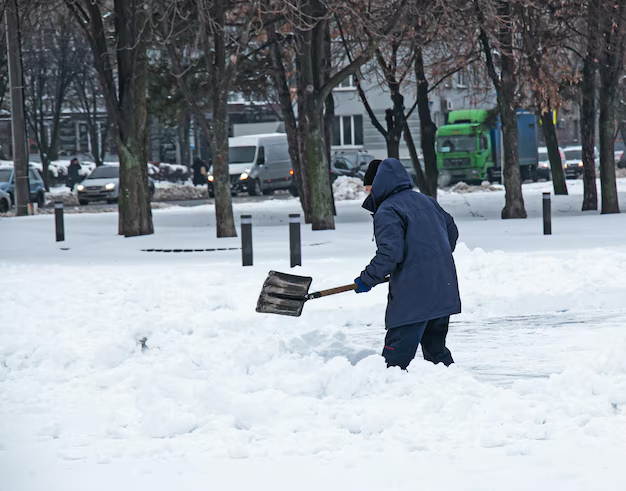
Snowfall can create serious challenges for commercial property owners, particularly when accumulated snow and ice restrict access to buildings, parking areas, and pedestrian walkways. Businesses must keep these spaces accessible for employees, customers, delivery personnel, and emergency responders throughout the winter season. Delayed snow removal can increase slip hazards, interrupt daily operations, and create avoidable property maintenance problems. Arranging commercial snow plowing services helps businesses manage accumulated snowfall and maintain safer outdoor spaces during periods of severe winter weather.
Snow Accumulation Can Disrupt Everyday Business Activities
Heavy snowfall affects more than the appearance of a commercial property. Snow-covered entrances, blocked parking spaces, and icy pathways can make routine activities difficult. Employees may struggle to reach their workplaces, while customers might avoid visiting properties with poorly maintained access points.
For businesses operating on fixed schedules, even a few hours of restricted access can create operational difficulties. Delivery vehicles may have trouble reaching loading docks, service providers may face delays, and visitors could encounter unsafe walking conditions.
Common problems caused by unmanaged snowfall include:
- Restricted vehicle access: Snow accumulation can obstruct driveways, parking spaces, loading zones, and internal access roads.
- Increased slip hazards: Compacted snow can develop into slippery ice, particularly around entrances and shaded walkways.
- Delayed deliveries: Snow-covered routes can prevent delivery vehicles and service contractors from reaching designated areas.
- Reduced parking capacity: Accumulated snow takes up valuable parking space and can make vehicle movement difficult.
- Business interruptions: Poor access conditions may affect employee attendance, customer visits, and scheduled operations.
Early planning helps property managers reduce these disruptions and respond more effectively when winter storms arrive.
A Snow Removal Plan Should Reflect Property Layout
Every commercial property has different outdoor maintenance requirements. A retail centre may have extensive customer parking, while an office building may prioritise pedestrian entrances and employee access. Industrial properties often require additional attention around loading bays, service roads, and equipment access points.
A property-specific snow management plan identifies the areas that need attention first and establishes the order in which they should be cleared.
Property managers should assess the following locations before winter begins:
Main Entrances and Walkways
Building entrances experience frequent pedestrian movement. Snow should be cleared from access paths, steps, ramps, and entrance areas to reduce the risk of slips and falls. Special attention is necessary around accessible entrances used by individuals with mobility requirements.
Parking Lots and Driveways
Parking areas need enough clearance for vehicles to enter, turn, and park safely. Snow piles should not obstruct visibility, pedestrian routes, or designated parking spaces.
Loading and Service Areas
Warehouses, distribution centres, and commercial kitchens depend on accessible loading zones. Snow accumulation around these locations can interfere with deliveries and waste collection.
Emergency Access Routes
Emergency vehicle access must remain unobstructed. Property managers should identify fire lanes, emergency exits, and designated access routes before snowfall begins.
A clear priority list helps maintenance teams work efficiently during heavy snowfall without overlooking important sections of the property.
Timing Makes a Difference During Winter Storms
Waiting until snowfall has completely stopped can create additional maintenance challenges. Heavy accumulation becomes harder to move as vehicles compact the snow, while fluctuating temperatures can cause melting and refreezing.
Scheduled snow clearing helps prevent these conditions from becoming difficult to manage. Property managers should monitor local weather forecasts and arrange maintenance according to expected snowfall intensity, property usage, and safety requirements.
Several timing considerations deserve attention:
- Before business hours: Clear primary entrances, parking areas, and pedestrian routes before employees and visitors arrive.
- During prolonged snowfall: Arrange additional clearing when accumulation begins affecting vehicle or pedestrian movement.
- After peak snowfall: Complete another inspection to identify areas that require further attention.
- Before overnight freezing: Address standing water and slushy snow that could develop into ice.
- Following temperature changes: Recheck shaded areas, ramps, and frequently used pathways for refreezing.
A single clearing operation may not be sufficient during a prolonged storm. Properties with substantial outdoor areas often need multiple visits to maintain reasonable access throughout the day.
Equipment Selection Affects Snow Clearing Results
Different commercial properties require different snow removal equipment. Using machinery that is unsuitable for the site can slow down operations or damage outdoor surfaces.
Large parking lots may require plough trucks, while compact commercial entrances may need smaller equipment with greater manoeuvrability. Walkways and pedestrian areas often require separate tools to avoid damaging paving, steps, or landscaped sections.
Equipment selection should account for:
- Property dimensions: Large sites generally need machinery capable of clearing substantial areas efficiently.
- Surface materials: Asphalt, concrete, paving stones, and decorative surfaces may require different equipment settings.
- Snow depth: Heavy accumulation may require more than one pass or specialised removal equipment.
- Available storage space: Snow should be moved to designated areas without blocking visibility or access.
- Pedestrian safety: Smaller equipment and manual clearing may be appropriate for narrow walkways and entrance steps.
Proper equipment maintenance is equally necessary. Operators should inspect vehicles, check lighting, confirm that safety equipment is available, and address mechanical issues before severe weather develops.
Ice Prevention Requires Attention Beyond Snow Removal
Removing visible snow does not automatically make a property safe. Thin layers of ice can remain on pavement, stairs, ramps, and other exposed surfaces. These areas can become particularly hazardous when temperatures drop overnight.
Ice management should form part of the property’s winter maintenance arrangements. Suitable de-icing products can help reduce slippery conditions, although the correct material depends on the surface, temperature, environmental considerations, and manufacturer guidance.
Property managers should pay particular attention to:
- Shaded walkways where sunlight does not reach the pavement.
- Drainage areas where water collects and freezes.
- Building entrances exposed to melting snow.
- Outdoor staircases and sloped pathways.
- Parking lot crossings used by pedestrians.
- Areas beneath downspouts and roof drainage outlets.
Regular inspections help identify developing ice problems before they cause accidents. Warning signs and temporary barriers may also be necessary around areas that cannot be made safe immediately.
Facility Managers Need Clear Winter Maintenance Responsibilities
Winter property maintenance involves more than operating snow removal equipment. Facility managers must coordinate schedules, communicate with contractors, inspect completed work, and respond to changing weather conditions.
Facility Network recognises the value of organised property maintenance and the need to keep commercial facilities functional throughout seasonal changes. Clear communication between property managers and maintenance providers helps ensure that important access points receive attention when conditions deteriorate.
A practical management system should include:
- Documented service expectations: Establish which areas require clearing and the expected maintenance frequency.
- Defined communication channels: Identify the person responsible for reporting snowfall-related problems and requesting additional service.
- Site inspection records: Maintain notes about recurring ice accumulation, drainage problems, and difficult access points.
- Contractor coordination: Confirm service arrangements, equipment availability, and emergency contact procedures before winter.
- Incident documentation: Record property damage, reported hazards, and maintenance actions for future reference.
These procedures provide accountability and make it easier to identify gaps in winter maintenance arrangements.
Preparing Commercial Properties Before the First Snowfall
Waiting for the first major storm to arrange maintenance can leave property owners with limited options. Contractors may already have full schedules, equipment may require servicing, and outdoor areas may contain obstacles that complicate snow removal.
Pre-season preparation gives facility managers time to address these issues before conditions become difficult.
Useful preparation tasks include:
- Inspecting parking lots, pavements, and drainage systems.
- Identifying designated snow storage locations.
- Marking curbs, landscaped sections, and other vulnerable features.
- Checking outdoor lighting around entrances and parking areas.
- Reviewing contractor agreements and emergency contact details.
- Confirming that de-icing materials and maintenance supplies are available.
Businesses should also review previous winter maintenance records. Repeated problems, such as ice near a particular entrance or snow accumulation around loading docks, can indicate areas that need additional attention.
Keeping Commercial Operations Accessible Throughout Winter
Winter conditions can change quickly, making regular property inspections and timely maintenance necessary throughout the season. Businesses that prepare access routes, establish clear service responsibilities, and monitor developing hazards are better positioned to manage snowfall without unnecessary interruptions. Property managers should also review their arrangements as building usage and weather conditions change. For assistance with commercial facility maintenance planning, contact us today to discuss your property’s requirements and suitable service arrangements. Consistent attention to outdoor conditions helps protect visitors, support employees, and keep essential business activities moving during the colder months.
