

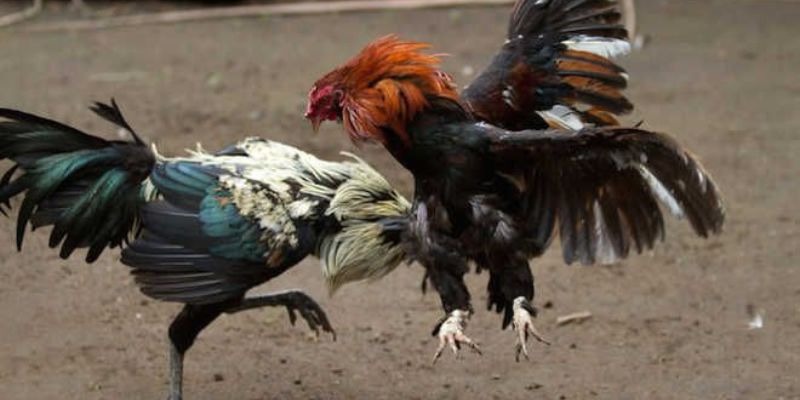
Cockfighting terminology provides beginners with essential knowledge for understanding traditional cockfighting competitions at V79. Specialized vocabulary describes the physical characteristics, fighting styles. Familiarity with these concepts helps viewers follow match developments, recognize key differences between fighting styles.
Common Cockfighting Terminology for Fighting Rooster Characteristics
At V79 , Cockfighting terminology reflects the physical characteristics and general attributes of different fighting rooster breeds. Vietnamese fighting roosters, commonly known as ga noi, typically have large skeletal frames and weigh between 2.5 kg and 4.0 kg. In contrast, bantam fighting roosters have smaller, slimmer bodies, with weights ranging from 0.8 kg to 1.2 kg.
The term ga don refers to traditional fighting roosters that compete without artificial weapons, relying on physical strength and endurance. Matches may involve rounds lasting approximately 15 to 20 minutes. By comparison, ga cua refers to fighting roosters equipped with spurs, where encounters can be much shorter. These matches may conclude within three to five minutes, depending on the circumstances.matches should be assessed using reliable records rather than assumed to be guaranteed.
Cockfighting terminology describing fighting rooster characteristics
Feather color also provides a traditional classification system. Black-feathered roosters, known as ga o, are associated with solid black plumage. Red or reddish-brown roosters, called ga dieu, form another recognizable category, while gray-feathered roosters are referred to as ga xam. Traditional classifications sometimes associate these colors with the five elements in Eastern philosophy. Some breeders use these beliefs when evaluating fighting roosters, although feather color alone does not establish an animal’s ability or predict the outcome of a match.
Distinguishing Competition Formats and Cockfighting Terminology at V79
Cockfighting competitions feature different formats, each with its own terminology and characteristics. Understanding these specialized terms helps viewers follow match descriptions and distinguish between traditional unarmed contests and matches involving artificial spurs.
Cockfighting Terminology for Steel-Spur Matches
In cockfighting terminology, steel-spur matches refer to contests in which metal spurs are attached to the legs of fighting roosters. The equipment described in traditional accounts may include pointed metal components measuring approximately 5 to 7 cm, although dimensions vary by competition and equipment design.
Because pointed spurs can cause severe injuries, these matches may develop rapidly and result in serious harm to the animals. Some encounters conclude within a few minutes, while their duration varies according to the rules and circumstances. Descriptions of reactions, movement, and physical characteristics are often used when discussing these competitions.
Definition of Blade Spurs
The term blade spurs describes equipment featuring a flat, sharpened metal blade rather than a conventional rounded point. In some cockfighting formats, the blade may measure approximately 6 to 8 cm, although the dimensions depend on local practices and equipment specifications.
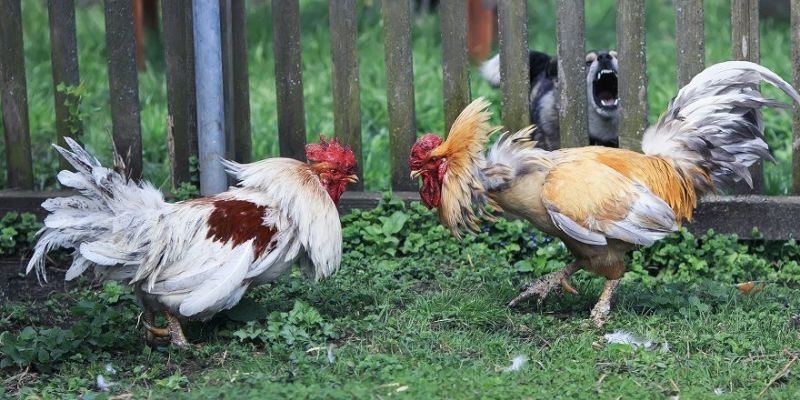
Understanding the terminology used for different types of spurs
Unlike pointed steel spurs, blade-shaped equipment is designed with a cutting edge that can cause deep wounds. Injuries may be severe, requiring urgent veterinary attention. The potential consequences of these contests explain why the terminology surrounding blade spurs often emphasizes the equipment’s shape, cutting edge, and associated risks. Audience interest in these matches does not establish their safety, and claims about injury rates or daily viewership require verifiable supporting data.
Characteristics of Traditional Fighting Roosters
Traditional Vietnamese cockfighting, particularly in northern regions, is closely associated with the term ga don. Unlike spur-based formats, this style generally relies on the rooster’s natural physical abilities without artificial fighting weapons.
Descriptions of traditional fighting roosters commonly emphasize strength, endurance, movement, and fighting posture. Depending on local rules, matches may be divided into several rounds, sometimes called ho, with individual rounds lasting approximately 15 to 20 minutes. The number and duration of rounds can differ between competitions.
Viewers may encounter terms describing grappling, striking, defensive movement, and the ability to withstand physical contact. These expressions help explain the characteristics of traditional matches and distinguish them from contests involving artificial equipment. Nevertheless, individual performance varies, and no single physical characteristic guarantees a particular outcome.
Effective Ways for Beginners to Remember Cockfighting Terminology
Learning a large collection of specialized terms requires an organized approach. Grouping related vocabulary, comparing definitions, and consulting reliable reference materials can help beginners develop a clearer understanding of the language used in cockfighting discussions.
Classify Terms by Topic
Organizing terminology into clear categories can make the learning process more efficient. Instead of memorizing every term separately, beginners can group vocabulary according to breed characteristics, equipment, and match duration. This approach creates a structured reference that is easier to review and understand.
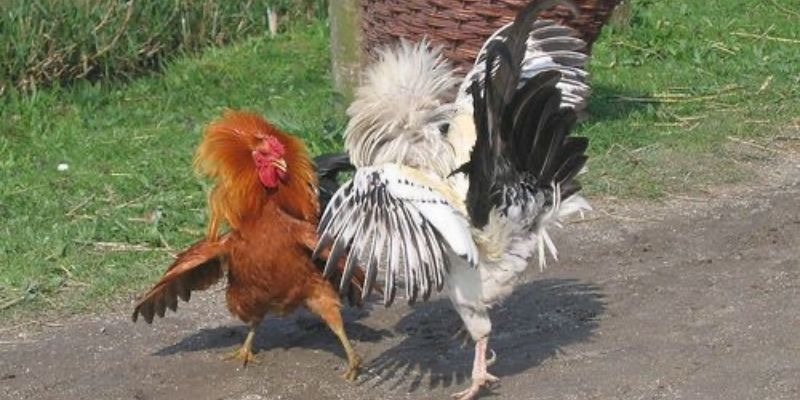
V79 introduces methods for organizing and remembering key concepts
| Topic | Terminology | Representative Details |
| Breeds | Classification by body weight and physical characteristics | Bantam: approximately 1.0 kg; Vietnamese fighting rooster: approximately 3.0 kg |
| Equipment | Differences between spur designs | Steel spur: pointed metal; blade spur: flat cutting edge |
| Duration | Approximate match duration | Spur matches: around 3 minutes; traditional matches: around 20 minutes |
Compare Different Formats
Comparing contrasting terms helps beginners recognize the distinctions between different cockfighting formats. For example, placing ga cua alongside ga don highlights the difference between matches involving artificial spurs and traditional contests that rely on natural physical characteristics.
Similarly, comparing descriptions of ordinary fighting roosters with records of more experienced competitors helps readers understand how performance is discussed. However, historical winning percentages should be treated as past results rather than reliable predictions of future outcomes.
Consult Reliable Reference Materials
Learning from knowledgeable communities and credible reference materials can help readers understand cockfighting terminology more accurately. Specialist discussions may include written explanations, historical information, and video footage illustrating the terms used to describe different competition formats.
Beginners should compare information from multiple sources and pay attention to the context in which each term appears. Advice from experienced breeders may provide insight into traditional vocabulary, particularly when regional expressions differ. Nevertheless, experience alone does not verify every claim, so numerical statistics and technical specifications should be checked against reliable documentation whenever possible.
Conclusion
Cockfighting terminology provides a foundation for understanding the vocabulary associated with fighting rooster breeds, competition formats, equipment, and traditional match descriptions. Learning these concepts helps readers recognize differences in physical characteristics and understand the language used in cockfighting discussions. Đại lý V79 presents this terminology as part of its informational content, while readers should evaluate performance statistics.
