

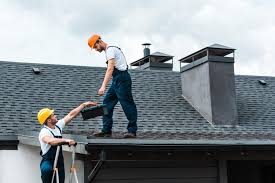
A home’s roof does far more than complete its appearance. It serves as the first line of defense against weather, temperature fluctuations, moisture intrusion, and a variety of environmental factors that can impact a property’s long-term condition. Yet despite its importance, roof maintenance is often overlooked until a noticeable problem appears.
Waiting for visible damage can lead to costly repairs, unexpected disruptions, and avoidable stress. By taking a proactive approach to roof care, homeowners can extend the lifespan of their roofing systems, protect their investment, and maintain the overall value of their property.
The Hidden Costs of Neglecting Roof Maintenance
Many roofing issues begin as minor concerns that are difficult to detect from the ground. A loose shingle, damaged flashing, or small leak may seem insignificant at first, but these problems can worsen over time.
When moisture finds its way beneath roofing materials, it can affect insulation, decking, ceilings, and even structural components. What could have been addressed with a simple repair may eventually require extensive restoration work.
Regular inspections and preventative maintenance help identify potential issues before they become major expenses. This proactive mindset often saves homeowners both time and money in the long run.
How Weather Impacts Roofing Systems
Every region experiences unique weather conditions that place stress on roofing materials. Strong winds, heavy rain, intense sunlight, hail, and seasonal temperature changes all contribute to wear and tear.
Some of the most common weather-related roofing challenges include:
- Wind-lifted or missing shingles
- Water penetration around flashing and vents
- UV-related material deterioration
- Gutter blockages caused by debris
- Expansion and contraction from temperature fluctuations
- Moisture accumulation that encourages mold growth
Because roofing systems are exposed to these elements year-round, periodic inspections become essential for preserving performance and longevity.
Signs Your Roof May Need Professional Attention
Homeowners don’t always need to climb onto their roofs to identify potential concerns. Several warning signs can indicate that professional evaluation may be beneficial.
Interior Warning Signs
Inside the home, watch for:
- Water stains on ceilings or walls
- Peeling paint near roof lines
- Musty odors in attic spaces
- Unexpected increases in energy bills
- Visible mold or mildew growth
Exterior Warning Signs
Outside the home, common indicators include:
- Missing, cracked, or curling shingles
- Sagging roof sections
- Damaged flashing around chimneys and vents
- Granule accumulation in gutters
- Visible moss or algae growth
Addressing these issues early can help prevent more extensive damage and maintain the integrity of the roofing system.
The Value of Professional Roof Inspections
While homeowners can perform visual checks, professional inspections provide a more comprehensive assessment. Experienced roofing specialists understand where problems commonly develop and can identify issues that may not be immediately visible.
A professional inspection typically evaluates:
- Roofing materials and surface condition
- Flashing performance
- Ventilation effectiveness
- Drainage systems
- Structural integrity
- Signs of moisture intrusion
For homeowners seeking additional information about roofing services, maintenance strategies, and exterior improvement solutions, resources such asidealroofingandexteriors.com can provide useful context regarding industry practices and roofing considerations.
Roof Maintenance and Home Value
A well-maintained roof contributes significantly to a home’s overall market appeal. Potential buyers often view roof condition as a major factor when evaluating a property.
An aging or visibly damaged roof can raise concerns about future repair costs and may influence negotiations during the selling process. Conversely, a properly maintained roofing system can provide confidence and help support property value.
Even homeowners with no immediate plans to sell benefit from maintaining their roofs. Protecting one of the home’s most critical systems helps preserve the property’s long-term condition and reduces the likelihood of unexpected repair expenses.
Creating a Long-Term Maintenance Plan
One of the most effective ways to protect a roofing investment is to establish a routine maintenance schedule. Rather than waiting for problems to emerge, homeowners can take a preventative approach throughout the year.
A simple maintenance plan may include:
- Conducting seasonal visual inspections.
- Cleaning gutters and downspouts regularly.
- Trimming overhanging tree branches.
- Monitoring attic ventilation and insulation.
- Scheduling professional inspections after major storms.
- Addressing minor repairs promptly.
Consistency is key. Small maintenance efforts performed regularly can significantly extend the lifespan of roofing materials.
Conclusion
Roof maintenance is often viewed as an optional task until a problem develops, but proactive care remains one of the most practical investments a homeowner can make. Routine inspections, timely repairs, and preventative maintenance help safeguard the home against weather-related damage while supporting long-term property value.
By understanding the warning signs of roofing issues and implementing a consistent maintenance strategy, homeowners can avoid many common problems and enjoy greater peace of mind. A roof that receives proper attention today is far more likely to deliver reliable protection for years to come.
