

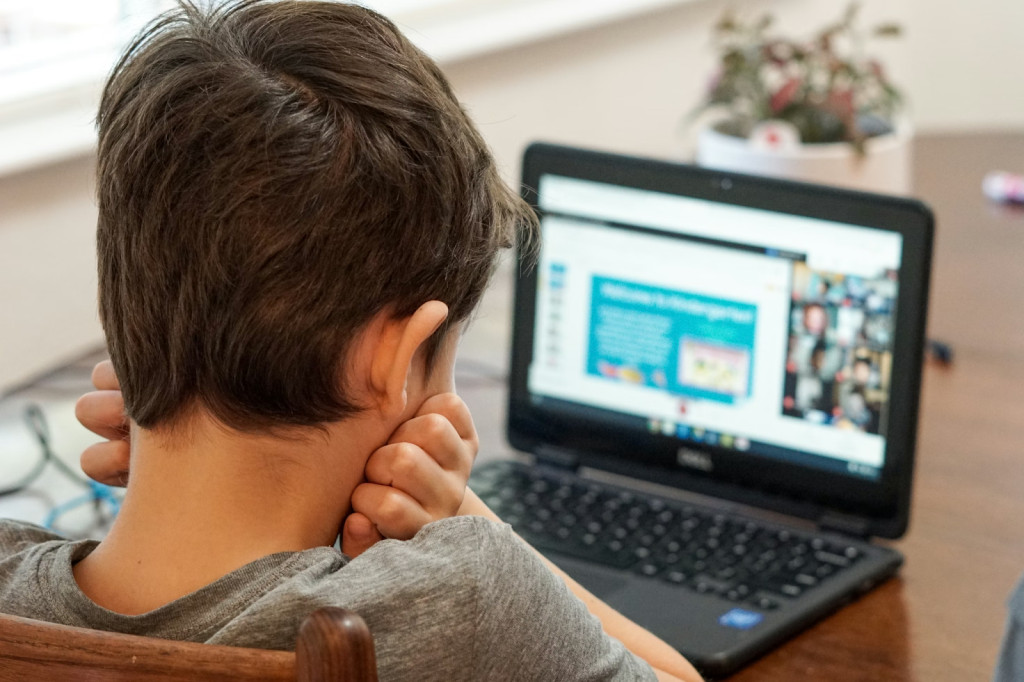
Online classes moved straight into the living room, and many parents discovered how easy it is to accidentally disturb, not support, a child’s progress. Good intentions turn into constant comments, extra pressure and nervous questions about grades. Real help looks different. It starts from trust, healthy routines and the willingness to let the child stay in charge of personal learning.
Short breaks, play and rest matter as much as homework. A small ritual, such as one quick round of a big baller monopoly game between study blocks, can release tension and reset attention. When learning is connected with positive moments at home, the brain is more willing to come back to the next task instead of resisting every online lesson.
Understanding what online learning really demands
Online school requires skills that are rarely visible. A student needs to manage headphones, chat windows, assignments, links and passwords while trying to follow the lesson. Many parents notice only the final grade in the system and forget about this hidden effort. Respecting that invisible workload is already a strong form of support.
Another subtle point is that online learning is lonelier. Corridors, small jokes and casual conversations disappear. Without that background social energy, some children feel more tired and distracted. When parents recognise that screen fatigue is not just laziness, home rules can be adjusted more gently and realistically.
Creating structure that supports, not controls
A home can either amplify chaos or quietly protect concentration. The difference often comes from simple but consistent routines that do not feel like military discipline.
Small daily habits that make study time easier
- preparing a regular learning corner with good light and comfortable seating
- keeping school materials, water and charger ready before lessons start
- using a visible schedule for classes, homework, breaks and meals
- setting a short “quiet start” ritual before the first lesson of the day
- ending each afternoon with a quick reflection on what was simple or difficult
These habits reduce the number of conflicts, because the system absorbs many small problems before they reach parents. Instead of repeating the same instructions, adults can focus on encouragement and problem solving when something unusual happens.
Helping without doing the work
The biggest temptation during online learning is to sit next to the child and solve every task. This approach creates fast results today but weak skills tomorrow. Independence grows when support is offered as guidance, not as replacement work.
When a student struggles with a math example or an essay topic, a parent can ask which step feels confusing, or which part of the instructions is unclear. Questions send the problem back to the learner’s own mind, while still showing full emotional presence. Respectful silence, time to think and space for mistakes are powerful tools too.
Safer ways to offer academic help
- suggesting the child reads the task aloud and underlines key words
- breaking a big project into smaller parts and planning when to do each one
- checking only final structure or logic instead of fixing each sentence
- sharing personal stories about past study difficulties to normalise challenges
- praising specific efforts such as note taking or asking questions, not just grades
After this kind of support, a child can feel proud of personal progress instead of thinking that success only appears when adults step in and control the keyboard.
Managing technology and distractions with shared rules
Screens are both the tool and the distraction. Full bans rarely work, but clear family agreements can protect focus. The most effective rules usually apply to everyone at home, not just to the youngest member. When adults also respect study time, children sense that learning is a shared priority.
Useful strategies include keeping entertainment apps off the main study device, turning off notifications during lessons and using timers for focused work blocks followed by short breaks. Conversations about digital footprints, privacy and respectful online behaviour are just as important as technical limits.
Staying emotionally present
Online school can exaggerate worries, especially before tests or group presentations. Without a classroom atmosphere, silence at home can feel heavy. Parents might not notice this tension if the only question of the evening is about homework completion. A more supportive approach includes open invitations to talk, without pressure to explain everything.
Simple questions like “Which part of today’s lesson felt most interesting” or “What would make tomorrow’s classes a bit easier” can reveal much more than direct interrogations about marks. The goal is not to fix every problem in one talk, but to show that the child’s experience matters more than the online platform or the school app.
Growing skills that last longer than any platform
Every online course will eventually end, but habits developed during this period can stay for years. Planning, time management, digital responsibility and the ability to ask for help are all core life skills. Parents support long term success when home becomes a laboratory for these abilities instead of a courtroom that evaluates each mistake.
If the atmosphere connects effort with respect, curiosity with calm guidance and study blocks with regular rest, online learning transforms from a stressful experiment into a training field for future independence. In that kind of home, a laptop becomes not just a source of tasks, but a gateway where a child learns how to grow, decide and stay confident in a digital world.