

Water Scarcity: How Cities Are Learning to Use Less
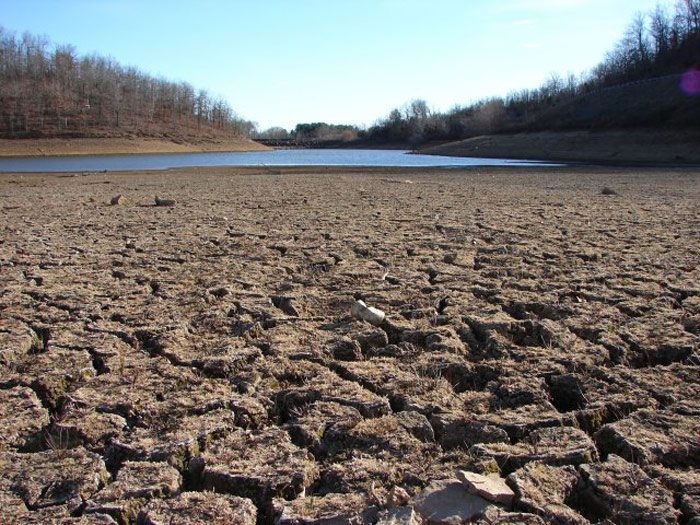
Water scarcity was once described as a problem of deserts. It is now a problem of cities, including rainy ones. Growing populations, leaking Victorian pipes, hotter summers and rainfall that arrives in shorter, heavier bursts are squeezing urban supplies from both ends: demand rises while the steady, storable water cities were designed around becomes less reliable. The response, city by city, is a redesign of the urban water cycle itself.
The global picture frames the local one. The World Health Organization estimates that billions of people lack safely managed drinking water services, and scarcity now touches every continent. Rich cities are not exempt; they are simply meeting scarcity with more money and engineering. Our news pages follow the adaptation race because its lessons travel: what works in Cape Town, Perth or Barcelona is studied wherever reservoirs have run low.
First, Stop Losing the Water You Have
The cheapest new water source is the water already treated and pumped, then lost. Leakage rates in many networks run at a fifth or more of supply, escaping through ageing mains before reaching a tap. Smart meters, acoustic sensors and pressure management are cutting those losses, and they carry a political advantage over grand projects: nobody protests a repaired leak. Demand measures follow the same logic. Efficient fixtures, water-sensitive building codes and pricing that protects a basic allowance while charging heavy users fairly have cut per-person consumption substantially in cities that committed to them.
Australia’s Millennium Drought remains the reference case. Cities such as Perth combined restrictions, efficiency, groundwater management and desalination to cut use dramatically and permanently; consumption habits formed in crisis persisted after the rains returned. The lesson repeated elsewhere is that public communication matters as much as engineering: people conserve when they can see reservoir levels, understand the plan and trust that sacrifices are shared.
Reuse, Recycle, Rethink Rain
The frontier is reuse. Treated wastewater, purified to drinking standards, already supplies cities from Singapore to parts of California, and public acceptance follows transparent testing and honest naming. Stormwater, long treated as a nuisance to drain away, is being captured by wetlands, permeable streets and sponge-city designs that store rain where it falls, reducing floods in winter and scarcity in summer with the same investment. Desalination retains a role for coastal cities, powered increasingly by renewables, at an energy cost that keeps it the option of last resort rather than first resort.
Governance ties the pieces together. Catchment planning that counts farms, cities and ecosystems in one budget, building rules that require water recycling in large developments, and investment sustained between droughts rather than panicked during them, separate the cities adapting successfully from those lurching between emergencies.
The Politics of the Tap
Water adaptation succeeds or fails on trust as much as technology. Restrictions imposed without explanation breed evasion; charges that fall hardest on the poorest households corrode consent for the whole programme. Cities that publish honest data, protect a lifeline allowance for every household and visibly repair leaks in wealthy districts as fast as poor ones sustain public cooperation through years of restraint. There is an educational dividend too: schools that teach the local catchment, where the water comes from, where it goes, raise citizens who treat scarcity as a shared condition rather than a billing dispute. Engineers can design a resilient network in a decade. The civic habits that keep it resilient take a generation, which is why the wisest cities start both clocks now. Further reporting on this subject is collected in our archive, for readers who want the background behind today’s developments.
Water scarcity will test urban confidence for decades. The cities coping best share a mindset: every litre counts four times, as supply, as savings, as flood prevented and as river protected. It is less heroic than a new dam and more effective: a whole system, learning to use less, wasting almost nothing.
