

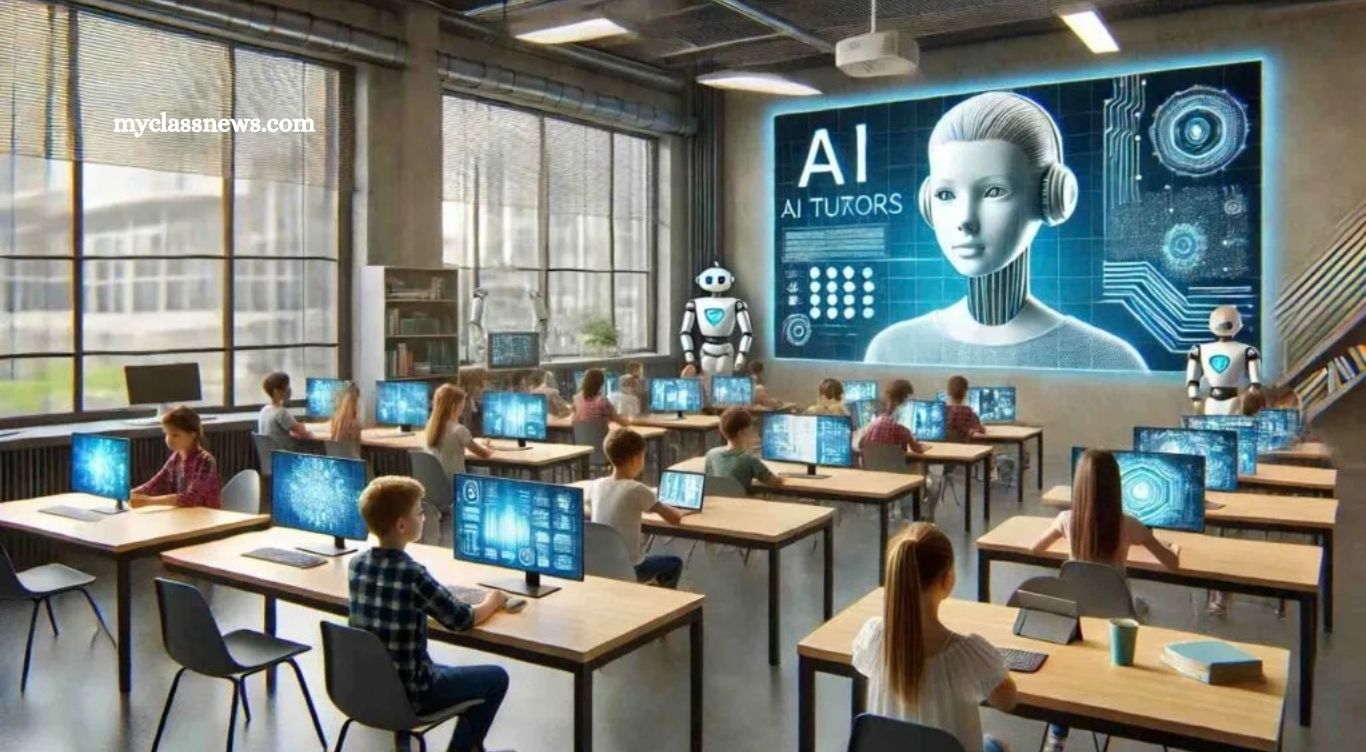
Artificial intelligence is changing how students learn, research, create, and prepare for future careers. As AI tools become common in classrooms, students need more than basic knowledge of how to use chatbots. They need practical AI skills that help them think critically, solve problems, verify information, and use technology responsibly.
The rise of AI does not mean traditional learning skills are becoming less important. Instead, students need to combine strong communication, creativity, research abilities, and digital knowledge with AI literacy. Understanding how artificial intelligence works and how to use it effectively can give students a major advantage in modern education and the workplace.
Read More: How Personalised Planning Is Redefining Luxury Travel at Sea
Understanding AI Fundamentals
Students entering the new learning era should first understand the basic concepts behind artificial intelligence. They do not necessarily need advanced programming knowledge, but they should know how AI systems generate responses, recognize patterns, process information, and produce content.
Basic AI literacy also helps students understand the strengths and limitations of these technologies. Knowing that AI can produce inaccurate, outdated, or misleading information allows students to use it as a learning assistant rather than treating every response as fact.
Learning How to Write Effective AI Prompts
Prompt writing has become an important digital skill for students. A clear prompt can help an AI system provide more useful, relevant, and accurate results.
Students should learn how to explain their goals, provide useful context, define the desired format, and ask specific questions. Instead of entering a short and unclear request, students can create detailed prompts that guide AI toward a particular learning objective.
Strong prompting can support activities such as brainstorming, summarizing difficult concepts, generating practice questions, creating study plans, and exploring different perspectives. The goal should not be simply getting an answer, but learning how to communicate effectively with AI.
Developing Critical Thinking Skills
Critical thinking may become even more important as AI becomes more powerful. Artificial intelligence can generate convincing answers, but convincing does not always mean correct.
Students should learn to question AI-generated information, identify unsupported claims, compare different sources, and recognize potential errors. They should also understand that AI systems can reflect biases contained within their training data.
Using AI responsibly requires students to remain active thinkers. Instead of accepting the first response, they should analyze it, challenge assumptions, and determine whether the information makes sense.
Fact-Checking AI-Generated Information
AI can save students significant research time, but generated information should still be verified. AI systems may sometimes provide incorrect statistics, fictional references, outdated information, or inaccurate explanations.
Students should develop strong fact-checking habits by comparing AI responses with reliable sources such as academic publications, educational institutions, government websites, and trusted research organizations.
This skill is especially important when students use AI for assignments, presentations, research papers, or projects. Verification protects academic quality while helping students develop stronger research habits.
AI-Assisted Research Skills
Modern students can use AI to organize research more efficiently. AI tools can help identify research questions, explain complex terminology, summarize information, and suggest areas for further investigation.
However, students should understand the difference between AI assistance and independent research. AI can support the research process, but students still need to examine original sources and understand the evidence behind their conclusions.
Strong AI research skills involve finding reliable information, comparing sources, identifying relevant evidence, and using AI as a tool rather than a replacement for genuine research.
Creativity and AI Collaboration
Artificial intelligence is also becoming a creative partner. Students can use AI to brainstorm story ideas, develop presentation concepts, explore design possibilities, create outlines, and experiment with different approaches to projects.
The most valuable skill is learning how to combine human creativity with machine assistance. Students should provide their own ideas, experiences, opinions, and creative direction while using AI to expand possibilities.
This approach creates a collaborative learning process where technology supports creativity without replacing individual expression.
Data and Digital Literacy
As AI becomes increasingly connected to data, students need a basic understanding of how data works. They should know how information is collected, organized, analyzed, and used by digital systems.
Data literacy can help students understand charts, statistics, trends, and AI-generated conclusions. It also makes it easier to identify misleading information or conclusions based on incomplete data.
These skills can benefit students across subjects, including science, mathematics, business, social studies, technology, and media.
Understanding AI Ethics
AI education should also include ethics. Students need to understand important questions surrounding privacy, copyright, bias, misinformation, surveillance, and responsible technology use.
For example, students should know when using AI-generated content may create academic integrity concerns. They should also understand why personal or confidential information should not be entered into unfamiliar AI platforms.
Ethical AI skills prepare students to make responsible decisions both inside classrooms and later in professional environments.
Protecting Privacy and Personal Information
AI tools can process large amounts of information, making digital privacy an important student skill. Students should understand what information they share with AI platforms and how sensitive data can create risks.
Basic cybersecurity awareness should include using strong passwords, protecting personal information, recognizing suspicious links, and understanding platform privacy settings.
Learning these habits early can help students become safer digital users as AI becomes more deeply integrated into everyday life.
Communication and Collaboration With AI
Students will increasingly work in environments where humans and AI systems collaborate. This makes communication skills essential.
Students should learn how to give clear instructions, evaluate AI suggestions, provide corrections, and refine generated content. They should also be able to explain when AI was used and how it contributed to a project.
These skills can help students become effective AI collaborators rather than passive users of technology.
Coding and Technical AI Skills
Not every student needs to become an AI engineer, but basic technical knowledge can provide valuable advantages. Students interested in technology can explore programming, automation, machine learning concepts, and AI development tools.
Learning basic coding can also help students understand what happens behind AI-powered applications. Even introductory programming knowledge can improve problem-solving and computational thinking.
Schools can gradually introduce these skills through practical projects rather than focusing exclusively on technical theory.
Adaptability and Continuous Learning
AI technology changes rapidly. Tools, features, and workplace expectations can evolve within a short period. As a result, students need to become comfortable with continuous learning.
Instead of focusing on mastering one particular AI platform, students should develop transferable skills that allow them to learn new technologies quickly. Curiosity, experimentation, problem-solving, and adaptability will remain valuable even as specific AI tools change.
Preparing Students for the Future
The classroom of the future will likely involve a combination of traditional education and intelligent digital tools. Teachers will continue to provide guidance, mentorship, and human judgment, while AI can support personalized learning, research, practice, and creative exploration.
Students who understand how to use AI responsibly will be better positioned to take advantage of these opportunities. The most important goal is not simply learning how to operate an AI tool. It is learning how to think, create, question, verify, and solve problems with AI.
Frequently Asked Questions
Why are AI skills important for students?
AI skills help students use technology effectively, improve research, solve problems, and prepare for future careers.
What AI skill should students learn first?
Students should begin with basic AI literacy, including understanding how AI works, its limitations, and responsible usage.
Is prompt writing important for students?
Yes. Effective prompt writing helps students get more relevant, useful, and accurate results from AI tools.
Can AI replace traditional learning?
No. AI should support learning rather than replace critical thinking, creativity, research, and independent understanding.
How can students verify AI-generated information?
Students should compare AI responses with reliable academic, government, educational, and other trusted sources.
Should students learn coding for AI?
Basic coding can be valuable, especially for students interested in technology, but advanced programming is not necessary for everyone.
How can students use AI responsibly?
Students should protect personal information, verify AI-generated content, follow academic integrity rules, and use AI as a learning assistant.
Conclusion
AI is transforming classrooms by changing how students research, create, communicate, and solve problems. Developing skills such as AI literacy, prompt writing, critical thinking, fact-checking, digital safety, creativity, and ethical AI use can help students adapt confidently to this new learning environment. Rather than replacing traditional education, AI should strengthen human abilities and encourage deeper learning.
