

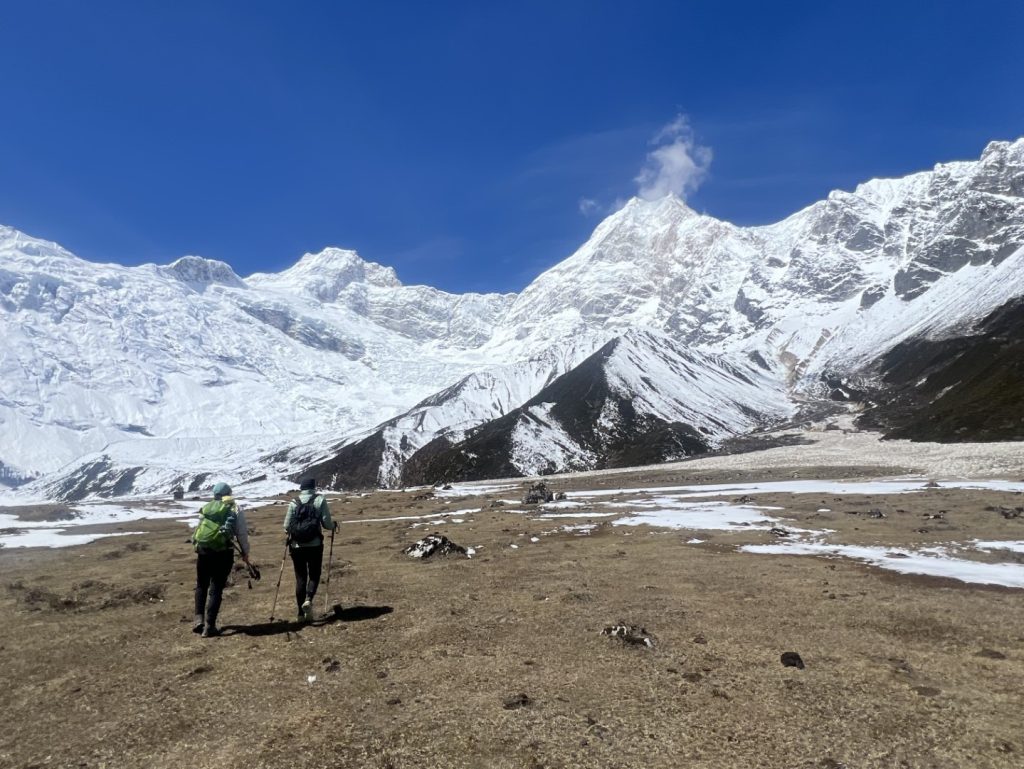
Education does not only happen inside classrooms. Some of the most valuable lessons come from real-world experiences that challenge people physically, mentally, and emotionally. Trekking is one of those experiences.
For students, trekking is much more than an outdoor activity. It teaches discipline, responsibility, teamwork, patience, and problem-solving in a practical way. Unlike traditional learning environments, trekking places students in situations where they must adapt, make decisions, and work together.
Modern education often focuses heavily on academic performance, but personal growth is equally important. Skills such as communication, resilience, leadership, and self-confidence play a major role in long-term success. Trekking helps students develop these qualities naturally.
Another reason trekking is valuable for students is that it combines education with experience. Walking through mountain villages, forests, and remote landscapes exposes students to nature, culture, and different ways of life. This creates learning opportunities that are difficult to replicate in schools.
Whether it is a short hiking trip or a multi-day mountain trek, the lessons students gain often stay with them long after the journey ends. Trekking pushes students outside their comfort zones and helps them discover strengths they may not have recognized before.
This blog explores the most important lessons students can learn from trekking adventures and why these experiences can have a lasting impact on personal and educational development.
1. Trekking Teaches Discipline and Responsibility
Trekking requires preparation and consistency. Students need to wake up early, manage their gear, stay hydrated, and maintain a steady pace throughout the journey.
Unlike daily routines at home or school, trekking environments demand personal responsibility. If students forget important items or fail to prepare properly, the effects become immediately noticeable on the trail.
This teaches discipline in a practical way. Students learn the importance of planning ahead, following schedules, and taking responsibility for their own actions. These habits can later help them in academics, work, and daily life.
On longer treks such as the Manaslu Circuit Trek in Nepal, maintaining discipline becomes especially important. Students must manage energy levels, follow guides carefully, and adapt to changing weather conditions.
2. Students Learn Teamwork Through Trekking
Trekking is often a shared experience. Students walk together, support each other, and face challenges as a group.
On difficult sections of a trail, teamwork becomes essential. Some students may move faster, while others may struggle with fatigue or altitude. Encouraging and helping each other creates a stronger sense of unity.
Group trekking also teaches communication. Students learn how to cooperate, share responsibilities, and solve problems together.
These experiences are important because teamwork is a skill used throughout life. Whether in school projects, workplaces, or social environments, the ability to work effectively with others is extremely valuable.
3. Trekking Builds Mental Strength
Trekking is physically demanding, but it also challenges the mind. Long walking hours, changing weather, and difficult terrain require patience and persistence.
Students quickly learn that progress happens slowly and steadily. Reaching a destination often takes several days of effort, which teaches endurance and mental resilience.
Moments of discomfort are common during trekking. Cold temperatures, steep climbs, or tiredness can feel overwhelming at times. Learning how to stay positive and continue moving forward helps students develop mental strength.
Treks like the Manaslu Circuit are known for testing endurance because of their remote trails and longer walking days. Experiences like these help students realize they are capable of more than they initially believed.
4. Trekking Encourages Problem-Solving Skills
Unexpected situations are common during trekking adventures. Weather can change suddenly, trails may become difficult, or schedules might need adjustment.
These situations teach students how to think calmly and adapt to changing conditions. Instead of relying completely on technology or comfort, they learn to make practical decisions.
For example, students may need to manage limited resources, adjust walking pace, or help organize group equipment. These small decisions improve critical thinking and adaptability.
Problem-solving skills developed during trekking can also help students in academic and professional environments where flexibility and quick thinking are important.
5. Students Gain Confidence in Themselves
Many students begin a trek with doubts about their physical ability or mental endurance. However, each completed day helps build confidence.
Reaching viewpoints, crossing suspension bridges, or completing long uphill climbs creates a strong sense of achievement. Students begin to trust their abilities and understand that difficult goals can be reached through effort and patience.
This confidence often extends beyond trekking. Students return feeling more independent and capable of handling challenges in other parts of life.
For first-time trekkers, even completing a relatively moderate trek can become a major personal achievement.
6. Trekking Creates a Stronger Connection with Nature
Many students spend most of their time indoors, surrounded by screens and urban environments. Trekking provides a rare opportunity to reconnect with nature.
Walking through forests, mountain trails, rivers, and open landscapes creates a deeper appreciation for the environment. Students begin to notice details that are often ignored in everyday life.
This connection can also increase environmental awareness. Students become more conscious about conservation, waste management, and the importance of protecting natural areas.
In regions like the Everest and Annapurna areas, students can directly observe how mountain communities depend on the environment for daily life. This creates a more meaningful understanding of sustainability.
7. Trekking Teaches Patience and Persistence
Modern life often encourages quick results and constant convenience. Trekking is different because progress takes time.
Students learn that reaching a destination requires steady effort over several days. There are no shortcuts on the trail.
Difficult climbs and long walking hours teach persistence. Students understand that challenges can be managed step by step rather than all at once.
This lesson becomes valuable beyond trekking. Patience and persistence are important in education, careers, and personal growth.
8. Students Learn About Different Cultures
Trekking routes often pass through villages and remote communities where local traditions remain strong.
Students may stay in family-run guesthouses, eat traditional food, and interact with local people. These experiences provide cultural understanding that cannot be fully learned through textbooks.
For example, trekking in Nepal introduces students to Buddhist culture, monasteries, prayer flags, and mountain lifestyles. In Peru, trekking routes may pass through Indigenous communities with long historical traditions.
Experiencing these cultures directly helps students develop respect, empathy, and global awareness.
9. Trekking Reduces Dependence on Technology
Many students are constantly connected to phones, social media, and digital entertainment. Trekking naturally creates distance from these distractions.
In remote mountain areas, internet access is often limited or unavailable. Students spend more time talking with others, observing their surroundings, and focusing on the present moment.
This break from technology can improve attention span and communication skills. Students often realize how refreshing it feels to spend time without constant notifications and screen time.
The experience also encourages mindfulness. Instead of rushing through activities, students begin to appreciate simple moments like mountain sunrises, quiet trails, or conversations around a teahouse table.
10. Trekking Creates Lifelong Memories and Perspective
One of the most important things students gain from trekking is perspective. Being surrounded by mountains, remote landscapes, and unfamiliar environments often changes the way people think.
Students begin to understand the value of simplicity, effort, and shared experiences. Many return with a greater appreciation for both nature and everyday comforts.
The memories created during trekking adventures often last for years. Watching sunrise over the Himalayas, crossing high mountain passes, or reaching a major destination becomes part of a personal story.
These experiences can also inspire future travel, outdoor activities, and personal goals. For many students, a trekking adventure becomes the beginning of a lifelong interest in exploration and learning.
Conclusion
Trekking offers students much more than physical activity. It creates opportunities for learning that go far beyond traditional education.
Through trekking, students develop discipline, teamwork, confidence, patience, and problem-solving skills. They also gain cultural understanding, environmental awareness, and a stronger connection with nature.
What makes trekking especially valuable is that these lessons are learned through direct experience. Instead of simply reading about resilience or responsibility, students practice these qualities every day on the trail.
Trekking also encourages personal growth in a natural and meaningful way. Challenges become opportunities to improve, and unfamiliar environments help students become more adaptable and independent.
Whether it is a short hiking trip or a multi-day mountain adventure, trekking can leave a lasting impact on students. The lessons learned on the trail often continue to influence their mindset, confidence, and approach to life long after the journey ends.
For students looking to grow beyond academics and experience real-world learning, trekking remains one of the most valuable adventures they can take.