

Introduction
Mushroom products are available in many different formats, ranging from dried mushrooms and powders to chocolates, gummies and capsules. Among these options, microdose capsules offer a particularly structured presentation. Instead of presenting mushroom material in its original form or incorporating it into a food product, capsules place a prepared ingredient inside a compact, clearly defined format.
This difference makes capsules interesting from both a formulation and product-information perspective. The appearance of a capsule reveals very little about what is inside, so details such as ingredients, product specifications, capsule composition and labelling become especially important.
The term “microdose” can also appear in different types of product descriptions, making it useful to look beyond the name itself. Understanding what the capsule format involves and how products are presented can help readers interpret listings more carefully and distinguish between different formulations.
What Are Microdose Capsules?
Microdose capsules are capsule-format products marketed around the concept of microdosing. Rather than containing visibly recognisable mushroom material, the contents are generally processed into a form that can be placed inside a capsule.
The capsule itself usually consists of an outer shell and an internal ingredient or blend. Depending on the specific product, the internal material may be a powder, extract or combination of ingredients. The exact formulation should therefore be determined from the product information rather than assumed from the category name.
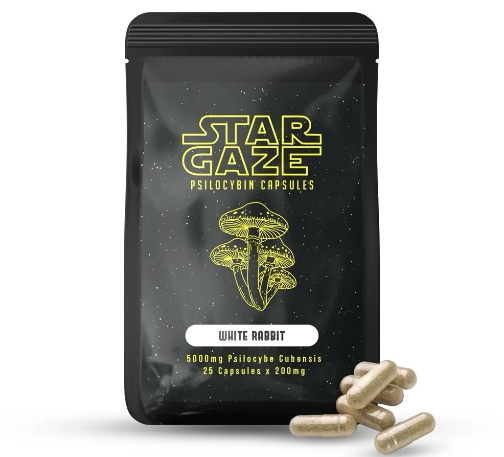
The capsule format creates a uniform-looking product. Individual capsules may appear almost identical even when products from different manufacturers contain different ingredients. This makes clear labelling particularly valuable.
Product descriptions can provide additional information about the type of mushroom material used, the overall composition and the characteristics of the product. When comparing several listings, these details are more informative than the appearance of the capsules themselves.
The term “microdose” also describes a product positioning rather than explaining every aspect of the formulation. Readers should therefore consider the complete product description to understand what a particular capsule product contains.
Why Capsules Are Used as a Mushroom Product Format
Capsules provide a compact way to present processed mushroom ingredients. Their small size and standardised appearance make them visually different from dried mushrooms or food-based products such as chocolate.
One major characteristic of the capsule format is that it separates the ingredient from its original physical appearance. A dried mushroom can be examined directly, while a capsule requires the reader to rely on the information supplied by the manufacturer or retailer.
This creates both advantages and responsibilities.
From a product-development perspective, capsules can accommodate powdered or processed ingredients without changing the appearance of the finished product. From an information perspective, however, the label becomes an important source of context.
Several details can help explain a capsule product:
- Ingredient identity: The product description should identify the mushroom material or other ingredients used.
- Capsule composition: The shell itself may contain gelatin or a plant-based alternative.
- Product quantity: Packaging may specify the number of capsules and total product weight.
- Additional ingredients: Some formulations may include more than one mushroom ingredient or other supporting components.
- Storage information: The package may provide instructions intended to maintain the condition of the product.
- Manufacturer or retailer information: Identifying the responsible business provides additional product context.
These details help transform an otherwise simple-looking capsule into a product that can be understood through its documentation.
Powder, Extract and Blend: Understanding the Ingredients
One of the most important aspects of capsule products is identifying what form of mushroom material has been used.
A powdered mushroom ingredient generally refers to mushroom material that has been dried and processed into a powder. An extract, meanwhile, is produced through an extraction process designed to obtain particular components from the original material.
These are not simply two names for the same ingredient. Their processing methods and resulting characteristics can differ, which is why product descriptions should specify the form being used where relevant.
Some capsule products may also contain blends. A blend can combine different mushroom-derived ingredients or include additional components as part of the overall formulation.
This makes the ingredient list particularly important when comparing products that appear similar. Two bottles of capsules may have nearly identical packaging while containing different formulations.
The same principle applies to marketing terminology. A broad phrase such as “mushroom capsules” does not necessarily explain whether the product contains whole mushroom powder, an extract or a mixture.
For this reason, readers can gain a clearer understanding by examining the actual ingredient information rather than relying on the product title alone.
Reading a Microdose Capsule Product Label
Because the capsule itself provides limited visual information, packaging plays an important role in communicating what the product is.
A useful label may include several types of information. The ingredient list can identify the contents, while the product description may provide additional details about the formulation. The package size and capsule count can help establish the physical quantity being sold.
Other information may include manufacturer or supplier details, storage recommendations, allergen information and relevant warnings required under applicable rules.
When reviewing a product listing, it can be useful to separate factual specifications from promotional descriptions. A product page may contain both objective information and broader marketing language, but these serve different purposes.
For example, the ingredient list describes what has been included in the formulation, while promotional wording may describe the product’s intended positioning. Keeping these categories separate makes comparisons more straightforward.
Clear labelling also benefits retailers. When several mushroom products are presented within the same catalogue, consistent descriptions allow readers to distinguish capsules from chocolates, powders, dried products and other formats.
Comparing Different Microdose Capsule Products
Not every capsule product is formulated in the same way. Differences may occur in the mushroom material, processing method, additional ingredients, capsule shell and packaging.
A structured comparison can therefore focus on several basic characteristics.
Ingredient Composition
Start by identifying the mushroom ingredients listed on the product page or packaging. Determine whether the formulation refers to mushroom powder, extract or a combination.
Capsule Material
The capsule shell may be relevant to people with specific dietary preferences. Gelatin and plant-based capsule materials have different compositions, so checking the product information can prevent unnecessary assumptions.
Product Specifications
Capsule count, total weight and other stated specifications can help distinguish products that otherwise appear similar.
Additional Ingredients
Some formulations may contain more than one mushroom ingredient, along with other components such as fillers, binders or capsule-processing ingredients. The complete ingredient list provides a better picture than the front label alone.
Storage Information
The physical condition of capsule products can be affected by environmental factors such as heat and moisture. Following the storage information provided for the particular product is therefore an important part of product handling.
Looking at these factors together gives a more complete picture of the product than focusing solely on the word “microdose.”
The Place of Microdose Capsules in a Broader Mushroom Catalogue
Capsules represent only one part of the wider mushroom-product category. A catalogue may include several formats designed around different approaches to presentation.
Dried mushrooms preserve more of the original physical structure of the material. Powders remove that structure and provide a more processed ingredient format. Chocolates and gummies incorporate mushroom-derived ingredients into confectionery products, while capsules place prepared material inside a compact shell.
This variety means that product format can provide an initial point of comparison.
For example, someone browsing the microdose collection may encounter capsule products that look broadly similar but have different descriptions or formulations. Examining the individual product pages can reveal distinctions that are not obvious from the category page or product photographs.
The category itself therefore provides a useful starting point, but the individual listing remains the more appropriate place to examine ingredients and specifications.
This is particularly relevant when several products use similar terminology. A careful reader can avoid treating all products within a broad category as interchangeable.
Why Transparent Product Information Matters
Capsules demonstrate the importance of clear product communication. Because the contents cannot be examined visually, readers depend heavily on written information.
Transparent descriptions can help establish the identity of the mushroom ingredient, the form in which it is used and the other components included in the formulation. Consistent product specifications can also make it easier to compare different items within the same category.
Clear information is especially useful when a product category contains terminology that may be interpreted differently by different readers. Words such as “extract,” “powder,” “blend” and “microdose” each communicate something different and should not automatically be treated as interchangeable.
Responsible product communication also means distinguishing factual information from unsupported claims. A detailed description should give readers enough information to understand the product without relying on exaggerated language.
This approach benefits both sides of the transaction. Consumers receive clearer information, while retailers can present their catalogue in a more organised and understandable way.
Conclusion
Microdose capsules occupy a distinct position within the broader range of mushroom product formats. Their compact structure and processed contents make them different from dried mushrooms, powders and food-based products such as chocolates or gummies.
Because the capsule itself reveals little about its contents, product information becomes particularly important. Ingredients, processing terminology, capsule material, product specifications, storage information and manufacturer details can all contribute to a clearer understanding of what a particular product contains.
The distinction between mushroom powder, extract and blends is especially useful when comparing capsule products. Similar packaging or product names do not necessarily indicate identical formulations.
As mushroom products continue to appear in increasingly varied formats, clear descriptions and transparent labelling can help readers understand those differences. For microdose capsules in particular, the most useful starting point is not the appearance of the capsule, but the information provided about what is inside it.
