

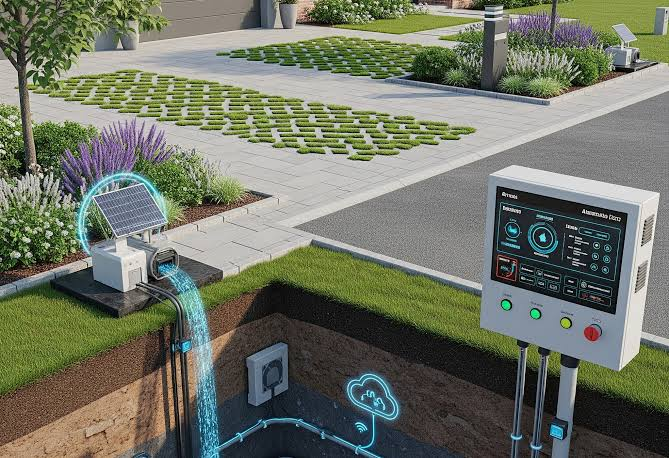
Efficient drainage is essential for residential buildings, commercial facilities, industrial sites, and large urban infrastructure. As wastewater networks become longer and more complex, conventional cleaning methods may not always provide the depth of cleaning required. Grease, sludge, mineral deposits, sediment, and other materials can gradually collect inside pipelines, restricting flow and increasing the possibility of recurring blockages. Modern water jetting pumps provide a powerful solution by delivering controlled water pressure that can remove stubborn deposits from pipeline interiors without relying on invasive excavation.
Changing Demands On Modern Drainage Networks
Drainage systems operate continuously, often carrying wastewater and suspended materials through pipelines every day. Over time, some of these materials settle against internal pipe surfaces. If they are not removed, the buildup gradually reduces the available space for wastewater to pass through.
Urban expansion has increased this challenge. Larger buildings, denser residential developments, and commercial facilities can place greater demands on existing drainage infrastructure. A system that once handled normal wastewater volumes comfortably may experience greater stress as usage increases.
Modern cleaning strategies therefore focus on maintaining pipeline capacity rather than waiting until a serious blockage develops.
Protecting Pipelines During Cleaning
Effective cleaning is not simply about applying maximum pressure. The equipment and operating method must be appropriate for the pipeline being serviced.
Experienced technicians consider pipe material, age, structural condition, blockage type, and cleaning requirements before beginning the process. Controlled pressure helps remove deposits while reducing unnecessary stress on the pipeline.
This careful approach is especially important for older infrastructure. A cleaning method that is suitable for a strong modern pipeline may need to be adjusted when working with aging or previously damaged sections.
Improving Maintenance In Urban Areas
Urban drainage maintenance presents unique challenges because pipelines often run beneath roads, buildings, parking areas, and other heavily used spaces. Traditional excavation can interrupt traffic, business operations, and public access.
Water-based cleaning reduces the need for invasive access in many maintenance situations. Technicians can often reach problem areas through existing access points and clean pipeline sections without disturbing large surface areas.
Professional high pressure jet drain cleaning in Dubai is particularly valuable for properties where minimizing disruption is important. Efficient cleaning can help maintain drainage performance while allowing surrounding activities to continue with fewer interruptions.
Supporting Preventive Maintenance Programs
Drainage cleaning is most effective when it forms part of a planned maintenance program. Waiting for a complete blockage often means that deposits have already become extensive and the system may require urgent attention.
Scheduled cleaning removes buildup before it reaches critical levels. Maintenance teams can also use inspection information to determine which pipeline sections require more frequent attention.
This approach allows property managers to move from reactive maintenance toward preventive care. Instead of responding only when wastewater stops flowing properly, they can manage pipeline conditions according to actual usage and system history.
Reducing Recurring Blockage Problems
Some drainage blockages return repeatedly because the original cause is not fully removed. A basic clearing operation may create a temporary opening while leaving deposits attached to surrounding pipe walls.
Thorough water jet cleaning addresses a larger section of the internal surface. By removing grease, sludge, and other accumulated material from the walls, it reduces the material available to create another obstruction.
This can be particularly useful in kitchens, restaurants, commercial properties, and high-occupancy buildings where drainage systems regularly carry materials that can settle inside pipelines.
Improving Operational Efficiency
A clean pipeline does more than prevent blockages. It also supports more predictable wastewater movement throughout the connected drainage network.
When pipes are heavily restricted, upstream sections may experience slower drainage and increased pressure. This can place additional demands on connected components and contribute to wider system inefficiencies.
Regular cleaning helps maintain better flow conditions across the network. By keeping pipelines open and reducing unnecessary resistance, maintenance teams can support more reliable drainage performance over time.
Technology And Equipment Selection
Modern water jet systems are available in different configurations to suit various cleaning requirements. Equipment selection should consider the pipeline dimensions, access conditions, deposit type, and expected cleaning intensity.
Pump performance is particularly important because consistent pressure and water delivery influence cleaning effectiveness. Hoses and specialized nozzles also play a role in directing water toward deposits and transporting loosened materials away from the cleaning area.
Technicians may use different nozzle designs depending on whether the goal is to break through a blockage, remove wall deposits, or flush a longer pipeline section. Selecting appropriate equipment, including water jetting pumps, improves both cleaning quality and operational efficiency.
Supporting Long Term Infrastructure Planning
Regular cleaning provides more than immediate performance improvements. It also generates useful information about how a drainage network behaves over time.
Maintenance teams may notice recurring buildup in particular sections, changes in flow performance, or areas that require more frequent intervention. This information can help property managers plan future repairs, inspections, and infrastructure upgrades.
When cleaning schedules are based on actual system conditions, maintenance budgets can be used more effectively. Resources can be directed toward areas that present the greatest operational risk rather than applying the same maintenance frequency to every pipeline.
Preparing Drainage Systems For Future Demand
Urban development is expected to continue increasing pressure on wastewater infrastructure. New buildings, changing occupancy patterns, and higher water usage can all influence drainage requirements.
Maintaining existing pipelines becomes increasingly important as demand grows. A pipeline operating with significant internal buildup has less capacity to accommodate additional wastewater volumes.
Routine cleaning helps preserve available capacity and prepares infrastructure to handle changing operational conditions. Combined with inspection and timely repair, this approach can support more resilient drainage networks.
Conclusion
Modern drainage infrastructure requires maintenance methods that can provide effective cleaning without unnecessary disruption. Pressurized water technology helps remove stubborn deposits, restore internal pipeline capacity, reduce recurring blockages, and support more reliable wastewater movement.
The use of water jetting pumps allows cleaning procedures to be adapted to different pipeline conditions, while professional high pressure jet drain cleaning in Dubai can support the maintenance needs of demanding urban drainage environments. When combined with regular inspection and preventive planning, advanced water jet cleaning contributes to longer-lasting and more efficient infrastructure.
For organizations looking for dependable drainage expertise and practical maintenance support, JB ALLO Sewage provides professional solutions designed to help maintain reliable wastewater systems over the long term.
