

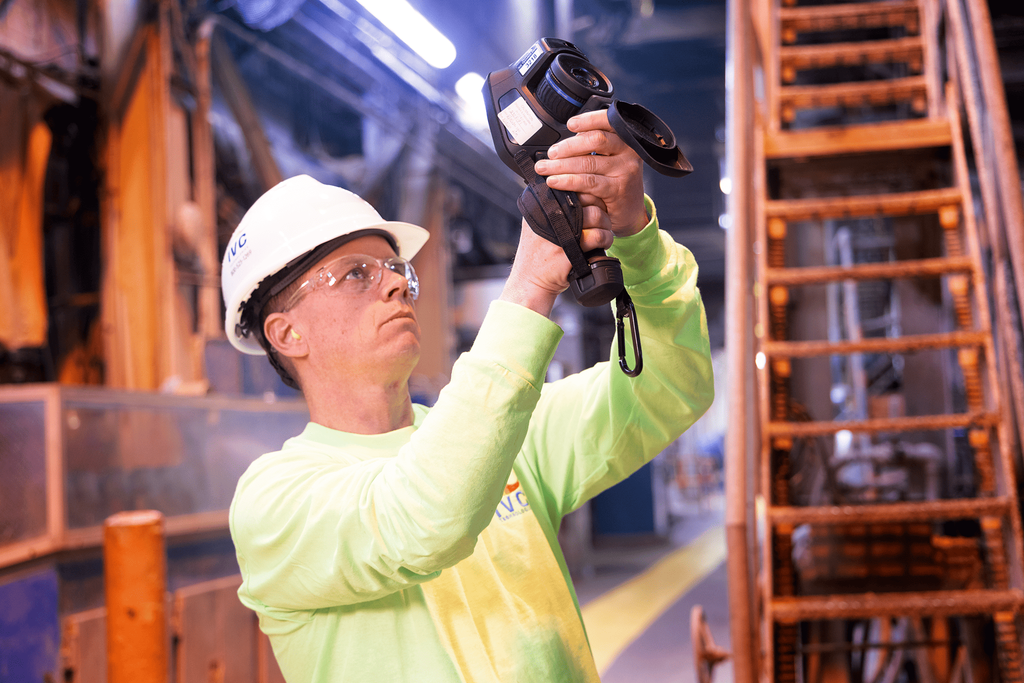
Reliability in equipment operations is required in modern industries, hence the need for early detection of faults so that production can be sustained and cost of maintenance controlled. One of the technologies which has gained popularity in the field of early detection of faults is infrared technology. Thermal imaging uses infrared technology to detect faults by showing variations in temperatures of equipment and installations without affecting their operations. Knowing how it is used helps us understand five key advantages it provides.
Identifying Temperature Anomalies Before Failures Occur
The greatest benefit of infrared technology is its ability to detect abnormal temperature readings that signify the development of some kind of machinery issues. It is common for machines to produce heat when operating normally, but an increase in the level of this heat can be a sign of high levels of friction or resistance, lack of lubrication and deterioration of the equipment. The infrared cameras detect all the changes and convert them into thermal pictures that make it possible for the technicians to detect all the possible issues at an early stage. Unlike other ways of detecting issues in the equipment, thermal imaging technology allows for non-contact inspection.
Preventing Equipment Downtime Through Proactive Maintenance
Machinery breakdown is unpredictable and can result in disruption of the schedule of production, raise the cost of operations, and jeopardize the company’s delivery obligations. Thermal imaging assists companies in avoiding these problems through the detection of warning signals before there is any decline in performance. Thermal inspection allows maintenance personnel to take into account the temperature of components, compare them with previous results, and detect abnormalities. Businesses should invest in dependable infrared thermography services that provide accurate inspections, detailed reporting, and actionable maintenance recommendations. This strategy will facilitate prioritization of repairs according to the condition of equipment without depending solely on scheduled maintenance plans. Dealing with developing issues within the time allocated for planned maintenance helps prevent unscheduled shutdowns and ensures stability in the output process.
Improving Electrical System Safety and Reliability
Another vital use of thermal imaging is in electrical installations. Electrical problems such as loose connections, overheated wires, faulty insulation, and overloaded circuits have the potential to produce excessive heat that could result in fire outbreaks and damage to the equipment. Infrared camera inspection of electrical systems enables professionals to detect such problems without having to interact with the electrical circuits; hence, inspections become safe and efficient when done using proper protocols. Some of the electrical equipment that can be inspected using thermal imaging includes distribution panels, switchgear, circuit breakers, electrical joints, and transformers. Hot spot detection enables professionals to detect any electrical issues before they pose a danger to the safety of operations and destruction of valuable equipment.
Extending Machinery Lifespan and Reducing Maintenance Costs
Equipment is expensive, and hence its reliability in the long term should be considered financially. The infrared technology assists in maintaining the assets by providing technicians with data on operating environments that promote the early wear-out of the components. If there is too much heat, then there is a possibility of friction, misalignment, poor lubrication, and inefficient operations; therefore, there is a need to address these conditions, lest they cause premature failure of the equipment. It is possible to collect valuable information from the thermal inspections in order to determine the need for maintenance of equipment. Instead of changing parts that do not require it, decisions can be made using information collected during inspections.
Supporting Data-Driven Maintenance Decisions
The usefulness of infrared imaging is not confined to the diagnosis of machine malfunction only. By collecting data about thermal images on a consistent basis, an organization can develop information that will provide insight into how the temperature changes and which problems occur repeatedly. Analysis of past thermal images will allow technicians to understand if the issues are getting worse, remaining stable, or improving after repair. In some cases, this knowledge may help create condition-based maintenance programs, and infrared imaging could be used in addition to vibration and oil analysis to conduct predictive maintenance. Combining various methods of equipment inspections provides a better overview of machines’ condition, making it possible for maintenance managers to allocate their budget properly.
Infrared technology serves as the basis for fault diagnosis and management of machines within industries. The addition of inspections to a predictive maintenance plan can serve the interests of companies in protecting their machines, managing costs, and ensuring reliability.
