

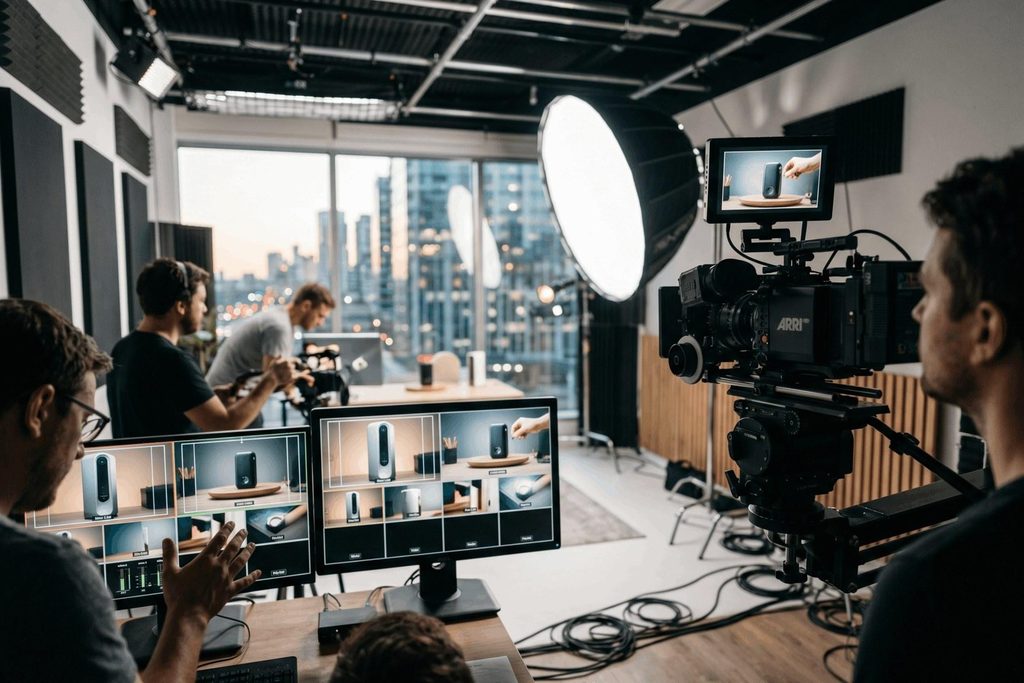
For businesses and marketing teams, video has become the default way to introduce a product, explain a service, and earn attention in crowded feeds. The challenge is rarely the idea itself; it is the time, cost, and coordination that traditional production demands. That is where videoany ai fits in. It gives teams a simpler path from a written concept to a finished piece of video, so ads, product videos, and brand content can move from brief to publish without a full shoot. For a busy marketing team, that shift matters because campaigns no longer have to wait for studio availability or long editing cycles.
Why videoany ai Matters for Modern Marketing Teams
Marketing teams today are expected to publish across many channels at once, and each channel seems to want its own version of the same message. A single campaign may need a short ad, a longer explainer, and several cut-downs for social feeds, and producing all of that by hand quickly becomes a bottleneck. With videoany ai, a team can keep that workload manageable by working from one core idea and shaping it into the formats each channel needs, rather than starting from scratch every time a new placement is requested. Seasonal campaigns make this even more pressing, because a holiday push or a product launch cannot wait for a long production queue, and teams that can move quickly are the ones that stay visible when attention is hardest to win.
Consistency is another reason video matters so much for a business. Customers form an impression from every clip they see, and mixed messages can weaken a brand faster than a single weak ad. Using videoany ai helps teams hold a steady voice across campaigns, because the same core messaging, tone, and visual direction can carry through each new video. When every piece of content feels like it came from the same brand, audiences learn what to expect, and that familiarity builds trust over time.
From Idea to Ad: How videoany ai Supports Campaign Work
Advertising is where speed makes the most visible difference. A promotion, a seasonal offer, or a response to a trend all have a short window, and a late ad can miss the moment entirely. With videoany ai, a marketing team can draft an ad concept in the morning and have a watchable version ready to review the same day, which leaves room to test different openings, messages, and calls to action before committing to one direction. That ability to iterate quickly is valuable, because the first version of an ad is rarely the best one.
Product videos carry a different kind of responsibility. A shopper who cannot hold a product in their hands relies on video to understand what it looks like, how it works, and why it is worth buying. Clear, focused product videos answer those questions before doubt sets in. With videoany ai, a business can present its products in a clean and consistent way, walking viewers through features and benefits in a logical order instead of leaving them to guess from photos and short descriptions alone. For online sellers, that clarity can be the difference between a browse and a purchase.
Brand Content That Stays on Message with videoany ai
Brand content goes beyond selling a single item. It tells the story of what a business stands for, how it works, and why customers should care. Those stories are often the hardest videos to produce, because they need warmth and personality rather than a simple list of features. With videoany ai, teams can shape that kind of content around real messages from the business itself, such as its values, its people, and the problems it solves for customers. The result feels closer to a conversation than a commercial, which is exactly what brand content should aim for. Customer stories work especially well in this format, because a short video that shows how someone actually uses a product or service says more about the brand than any slogan, and it gives new viewers a reason to believe what the business claims about itself.
For larger teams, the workflow around video matters as much as the video itself. Briefs change, stakeholders ask for revisions, and deadlines move, so a process that depends on one specialist or one studio booking can stall at the worst moment. Working with videoany ai keeps the process flexible, because drafts can be reviewed, adjusted, and reworked without restarting production from the beginning. Marketing managers, designers, and copywriters can all look at the same draft and agree on changes early, which reduces the back-and-forth that usually eats into a campaign schedule.
Getting More from Every Video with videoany ai
One finished video rarely stays in one place. A brand film can become a short ad, a product clip can become a social post, and a launch video can be trimmed for different audiences. Planning for that reuse from the start saves a great deal of effort. With videoany ai, teams can treat each video as a starting point rather than a one-off piece, reshaping the same core material for new placements as campaigns evolve. That habit turns video from an occasional expense into a library of material the business can keep using.
For a business or marketing team that wants to publish more video without adding complexity to its workflow, the practical next step is simply to try the approach on a real campaign and judge the result by the response it earns. Starting small, with one ad or one product video, shows quickly whether the process fits the team. Many teams find that once the first video is done, the second comes much faster, and video becomes a regular part of how they communicate. To explore that starting point, visit videoany ai and see how it could fit into your next campaign.