

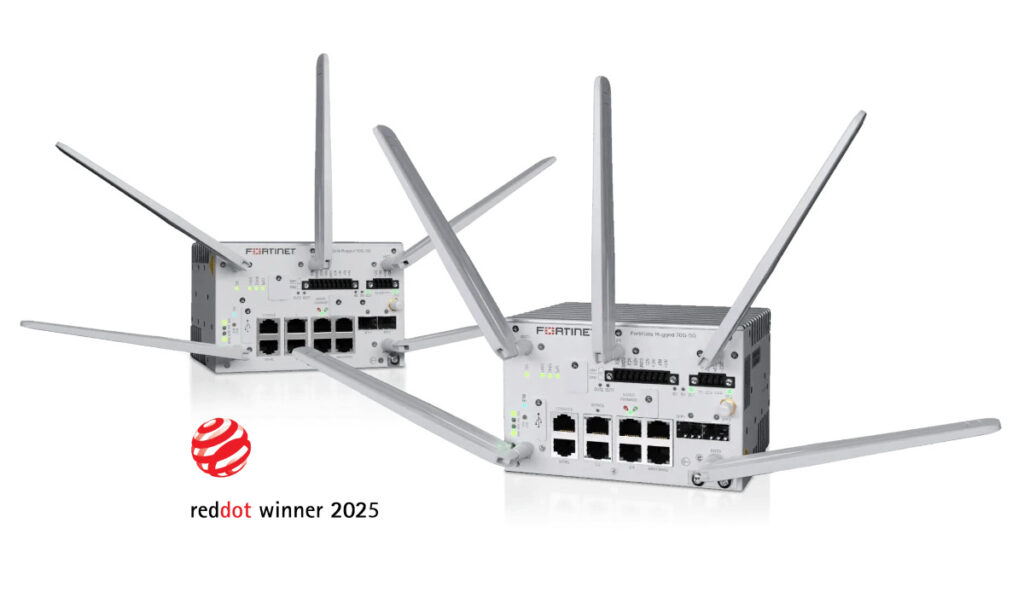
Discover how rugged firewalls protect industrial networks against cyber threats and ensure reliable operations in harsh environments.
Understanding Industrial Cybersecurity Challenges
Industrial environments, such as factories, water treatment plants, and utility substations, face unique cybersecurity risks. These networks control vital services and machinery, making them prime targets for cybercriminals, hacktivists, and even nation-state actors. Unlike traditional IT networks, industrial systems often prioritize availability and safety over confidentiality, which can leave certain vulnerabilities unaddressed. Any breach can lead to serious consequences, including operational shutdowns, environmental damage, equipment destruction, and even risks to human safety. As industries continue to adopt digital technologies and connect more devices, the attack surface grows. The convergence of operational technology (OT) with information technology (IT) introduces new risks, as attackers can exploit weaknesses in either domain to impact the other. This makes robust cybersecurity measures a necessity for modern industrial organizations.
The Role of Rugged Firewalls in Industrial Settings
Unlike standard firewalls, rugged firewalls are built to withstand harsh industrial conditions. They resist extreme temperatures, humidity, dust, and vibration. This makes them ideal for settings where traditional devices might fail. For critical operations, choosing the Best Ruggedized firewall for critical infrastructure is essential for reliable protection and network stability. These specialized firewalls are engineered with industrial-grade components and are subjected to rigorous testing to ensure they can operate continuously in demanding environments.
Their physical resilience is matched by advanced security features, making them a cornerstone of industrial cyber defense strategies. By providing both physical durability and sophisticated digital protection, rugged firewalls address the dual challenge of environmental hazards and cyber threats.
Physical Durability and Environmental Resistance
Rugged firewalls use tough hardware to survive in locations like oil rigs, manufacturing floors, and substations. Their strong cases and specialized components help keep them running even during power surges or mechanical shocks. According to the U.S. Department of Homeland Security, physical security is a key factor in protecting industrial control systems. These devices are often rated for wide operating temperature ranges, sometimes from -40 C to +75 C, and are built to withstand moisture, corrosive substances, and electromagnetic interference. Their enclosures may meet international standards such as IP67 for dust and water resistance, or NEMA ratings for industrial use.
This level of resilience allows them to be installed in outdoor cabinets, on production lines, or in remote substations where environmental factors would quickly disable standard IT equipment. The investment in such durable hardware pays off by reducing maintenance needs, preventing unexpected failures, and ensuring that security controls remain active even in the toughest conditions.
Advanced Threat Protection for Industrial Networks
These firewalls do more than just block unauthorized access. They can detect unusual activity, stop malware, and prevent data breaches. Their security features are tailored for industrial protocols and legacy systems. As noted by the NIST, using network security devices is a critical step in reducing risks in industrial settings. Many rugged firewalls include intrusion prevention systems (IPS), deep packet inspection for industrial protocols like Modbus and DNP3, and application control.
This allows them to detect attacks aimed specifically at industrial operations, such as attempts to alter control commands or disrupt sensor data. Some models also offer sandboxing and threat intelligence integration, giving them the ability to identify new or unknown threats quickly. By providing visibility into both IT and OT network traffic, they help security teams spot suspicious behavior before it leads to an incident. These features are especially important as attackers increasingly target industrial environments with ransomware, supply chain attacks, or attempts to manipulate physical processes.
Seamless Integration with Operational Technology
Industrial networks use both IT and operational technology (OT). Rugged firewalls bridge the gap between these systems. They support protocols used by machinery and sensors, making it easier to protect the entire network. Industry reports highlight that combining IT and OT security tools strengthens overall cyber defense. In practice, this means rugged firewalls can monitor and control traffic between business networks and the plant floor, enforcing strict boundaries and preventing the spread of malware from office systems to production equipment.
They can also segment networks, isolating critical assets like programmable logic controllers (PLCs) from less trusted devices. This segmentation is a key principle in industrial cybersecurity, limiting the potential impact of any breach. By supporting legacy protocols and modern security standards, rugged firewalls help organizations avoid costly upgrades or replacements of older equipment. Their compatibility with industrial communication standards ensures that security does not disrupt essential operations.
Remote Management and Monitoring Capabilities
Managing firewalls in remote or hazardous locations is challenging. Rugged models often come with secure remote management features. This allows security teams to monitor and update settings from a safe distance, reducing the need for on-site visits. Secure remote access is typically enabled through encrypted connections, multi-factor authentication, and strict access controls. Administrators can receive alerts about suspicious activity, review logs, and deploy critical updates or configuration changes without physically accessing the device.
This not only improves operational efficiency but also reduces exposure to dangerous environments, such as high-voltage substations or areas with hazardous chemicals. Some rugged firewalls integrate with centralized management platforms, allowing organizations to oversee hundreds or thousands of devices from a single dashboard. This holistic view is especially valuable for utilities, energy companies, and large manufacturers with geographically dispersed assets.
Compliance with Industry Standards
Many industries must follow strict cybersecurity regulations. Rugged firewalls help organizations meet these requirements through logging, reporting, and controlled access. They offer support for standards such as NERC CIP for the energy sector and IEC 62443 for industrial automation. Compliance is not just a matter of avoiding fines; it also demonstrates a commitment to safety and reliability. Regulatory frameworks often require regular security assessments, documentation of network activity, and proof that critical systems are protected from unauthorized access.
Rugged firewalls simplify compliance by providing detailed audit logs, customizable reporting features, and granular access controls. Some devices are even certified to meet specific industry requirements, making it easier for organizations to pass audits and demonstrate due diligence. Government agencies and industry groups provide guidance on best practices for industrial cybersecurity, and using certified hardware is often a key recommendation. Staying compliant also helps organizations build trust with partners, customers, and regulators.
Reducing Downtime and Operational Risk
A cyberattack or equipment failure can halt production and cause financial losses. Rugged firewalls are designed to keep critical systems running, even in tough conditions. Their reliability helps companies maintain uptime and avoid costly disruptions. Downtime in industrial environments can have cascading effects, from lost revenue to missed delivery deadlines and damaged reputations.
Rugged firewalls incorporate redundant power supplies, failover features, and robust hardware to minimize the risk of security controls failing during a crisis. By actively monitoring network traffic and blocking malicious activity, they reduce the likelihood of incidents that could bring operations to a standstill. Their durability means fewer maintenance interventions, lowering the risk of human error or accidental damage during repairs. This focus on reliability is especially important for sectors like energy, water, transportation, and manufacturing, where even short outages can have serious consequences.
Scalability for Expanding Industrial Networks
As industrial sites grow, so do their networks. Rugged firewalls are built to scale, supporting more devices and complex architectures. This flexibility ensures long-term protection as operations expand or change. Many models offer modular designs, allowing organizations to add new interfaces or upgrade performance as needed. This is important for industries that frequently add new production lines, remote sites, or automation systems.
Rugged firewalls can be deployed in a variety of topologies, from simple perimeter protection to complex multi-site environments with distributed security controls. Their ability to support virtual private networks (VPNs) and secure remote access means that organizations can connect new facilities without exposing critical systems to unnecessary risk. Scalability also includes the ability to handle increased network traffic, support for new communication protocols, and integration with evolving security platforms. As cyber threats evolve and industrial operations become more connected, scalable security solutions are essential for staying ahead of attackers.
Best Practices for Deploying Rugged Firewalls
Deploying these firewalls requires careful planning. Start with a thorough risk assessment. Place firewalls at key network points, such as entryways and between critical systems. Regularly update firmware and review logs to stay ahead of new threats. Segmentation of networks is a core strategy, ensuring that a breach in one area does not compromise the entire operation. Physical installation should consider environmental factors like temperature, humidity, and access to power.
It’s important to test backup power supplies and failover mechanisms regularly. Security policies should be tailored to the specific needs of industrial protocols and legacy devices, avoiding overly restrictive rules that could disrupt operations. Training for operations and IT staff is also essential, as human error remains a common cause of security incidents. Finally, organizations should participate in industry information-sharing initiatives and stay informed about emerging threats, as recommended by the U.S. Cybersecurity and Infrastructure Security Agency.
Conclusion
Rugged firewalls play a crucial role in protecting industrial networks. Their durability, advanced security features, and support for operational technology make them essential for defending against cyber threats. By choosing the right solutions and following best practices, organizations can ensure safe, reliable operations in any environment.
The growing complexity of industrial systems makes proactive, robust cybersecurity more important than ever. Investing in rugged firewalls is not just about compliance it’s about safeguarding critical infrastructure, maintaining operational continuity, and protecting people and the environment from harm.
FAQ
What makes a firewall ‘rugged’?
A rugged firewall is built to survive harsh environments, such as extreme temperatures, moisture, dust, and vibration. It uses tough components and special cases to ensure reliable operation in industrial settings.
Why are rugged firewalls important for industrial sites?
Industrial sites often face physical and cyber risks. Rugged firewalls protect these networks from attacks while withstanding tough conditions, reducing the risk of downtime or safety incidents.
Can rugged firewalls protect legacy equipment?
Yes, many rugged firewalls are designed to support older industrial protocols and devices, making it easier to secure legacy systems without replacing them.
Are rugged firewalls hard to manage remotely?
Most rugged firewalls offer secure remote management features. This allows IT teams to monitor and update devices without needing to visit hazardous or distant locations.
Do rugged firewalls help with compliance?
Yes, they provide features like logging, access control, and reporting, which help organizations meet industry standards and regulatory requirements.
