

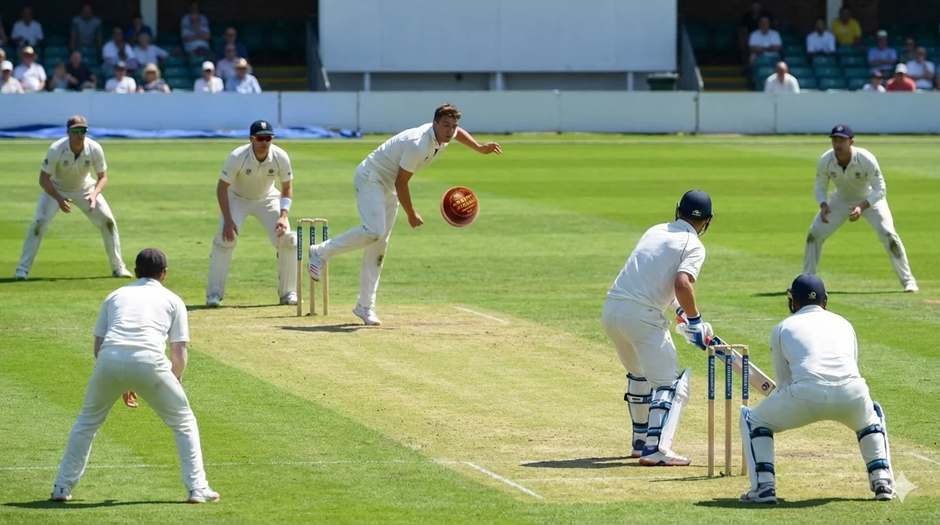
Cricket used to be a “plan your day around it” sport. Now it’s a “catch three overs while the coffee brews” sport. That shift didn’t happen because fans got less loyal. It happened because streaming made the match portable, flexible, and weirdly more personal.
For anyone curious about how live match feeds and real-time coverage are evolving, it’s easy to read more and see how platforms package the live experience for modern viewers. Not just a broadcast, but a live hub: updates, momentum swings, and that constant sense of “don’t blink.”
The second-screen era became the main event
Cricket is a stats-heavy sport by nature. Streaming didn’t invent that, it just pushed it front and center.
Modern live experiences are often built around layers:
- ball-by-ball timelines
- wagon wheels and pitch maps
- win probability swings
- player matchups and trends
- quick replays tied to specific deliveries
For fans, this is candy. For casual viewers, it’s a guide. Instead of “wait, what happened?” the platform helps the moment land properly.
And yes, it pulls people deeper into the match. When viewers can see patterns forming in real time, even a quiet over feels like part of a larger story.
Highlights got faster, smaller, and more addictive
Streaming didn’t just speed up access to full matches. It reinvented highlights.
The old model was simple: wait for a highlights show later. The new model is instant:
- wicket clip uploaded seconds after it falls
- boundaries cut into bite-sized replays
- “moment of the match” packaged for sharing before the next over ends
This matters because cricket is full of micro-moments. A dropped catch, a no-ball, a review that flips everything. Streaming makes those moments travel fast, and that keeps even non-watchers looped in. A person can “experience” a match through clips alone now. Not ideal for purists, but it’s reality.
Commentary isn’t one voice anymore
Traditional broadcasts were one feed, one commentary team, one tone. Streaming cracked that open.
Now the viewing experience can include:
- alternate language options
- different commentary styles (more analytical, more casual, more hype)
- creator-led watchalongs and fan commentary
- platform-specific panels and rapid post-over reactions
This is how streaming reshapes entertainment: it multiplies perspectives. Fans pick the vibe that fits them, not the one assigned by the broadcaster.
And cricket benefits from this more than many sports. Because cricket isn’t just action—it’s tension, strategy, and psychology. Different voices make different parts of the game feel important.
Latency is the new battleground
Anyone who’s watched a match while group chats explode knows the pain: the stream is behind, and the spoiler hits first. Streaming platforms are obsessed with closing that gap for a reason.
Lower latency changes everything:
- reactions feel synchronized across chats and social media
- live watch parties make sense again
- “real-time” feels real, not delayed
Even a 20–30 second lag can break the illusion of being present in the match. Fans might not use the word latency, but they’ll say it in their own way: “My stream is behind.” That’s a product problem now, not a minor technical detail.
Cricket viewing is becoming interactive, whether people asked for it or not
Some fans just want the match. No pop-ups, no extras, no noise. Fair.
But platforms are pushing interactivity because it keeps attention locked in:
- polls (“Who wins this over?”)
- prediction prompts
- live chat reactions
- real-time stats that invite debate
Even without official “interactive features,” the social layer is unavoidable. People watch with WhatsApp open, X (Twitter) scrolling, memes flying. Streaming didn’t create the online crowd, but it made the crowd part of the match.
In a weird way, cricket is closer to a live concert now. The audience energy travels instantly.
Mobile-first changed the rhythm of fandom
Cricket fans don’t consume the sport the same way when the phone is the primary screen.
Mobile habits reshape viewing into:
- checking the match more often, even if only for a minute
- watching key overs and skipping slower stretches
- keeping multiple matches in rotation during busy tournament days
This is why short formats exploded, but it also explains something else: even long matches are easier to follow now. A Test match doesn’t require eight hours in front of a TV. It can be followed in slices, without losing the plot.
Personalization is quietly deciding what fans see
Streaming platforms don’t just show a match. They recommend content around it: clips, related matches, player features, trending moments.
That means two fans can have totally different “match experiences”:
- one sees bowling highlights first
- another gets batter milestones and six compilations
- another is fed controversy clips and umpire moments
This isn’t always good. It can distort what feels important. But it’s absolutely changing sports entertainment. Cricket coverage is becoming curated, not just broadcast.
Rights, regional access, and the constant tug-of-war
There’s a business layer to all of this. Cricket is big money, and streaming rights are complicated. That affects:
- where matches are available
- what regions get which feeds
- how consistent the user experience is across platforms
At the same time, piracy and unofficial streams remain a problem. When legal access is confusing or fragmented, fans find shortcuts. Platforms know this, which is why so many are trying to simplify access and improve quality. The competition isn’t just between broadcasters anymore. It’s between “easy and official” and “free and sketchy.”
The takeaway: streaming made cricket more immediate, more social, and more flexible
Live cricket streaming is changing sports entertainment because it changed the rules of attention. Fans don’t have to commit the same way, and platforms are designing for that reality: faster highlights, richer stats, mobile-first interfaces, and experiences that feel live even when someone isn’t watching every ball.
Cricket still has its slow burns. It still has its long arcs. Streaming didn’t remove that. It just gave viewers more ways to stay close to the match—on their own terms, in their own time, with the whole internet reacting alongside them.
