

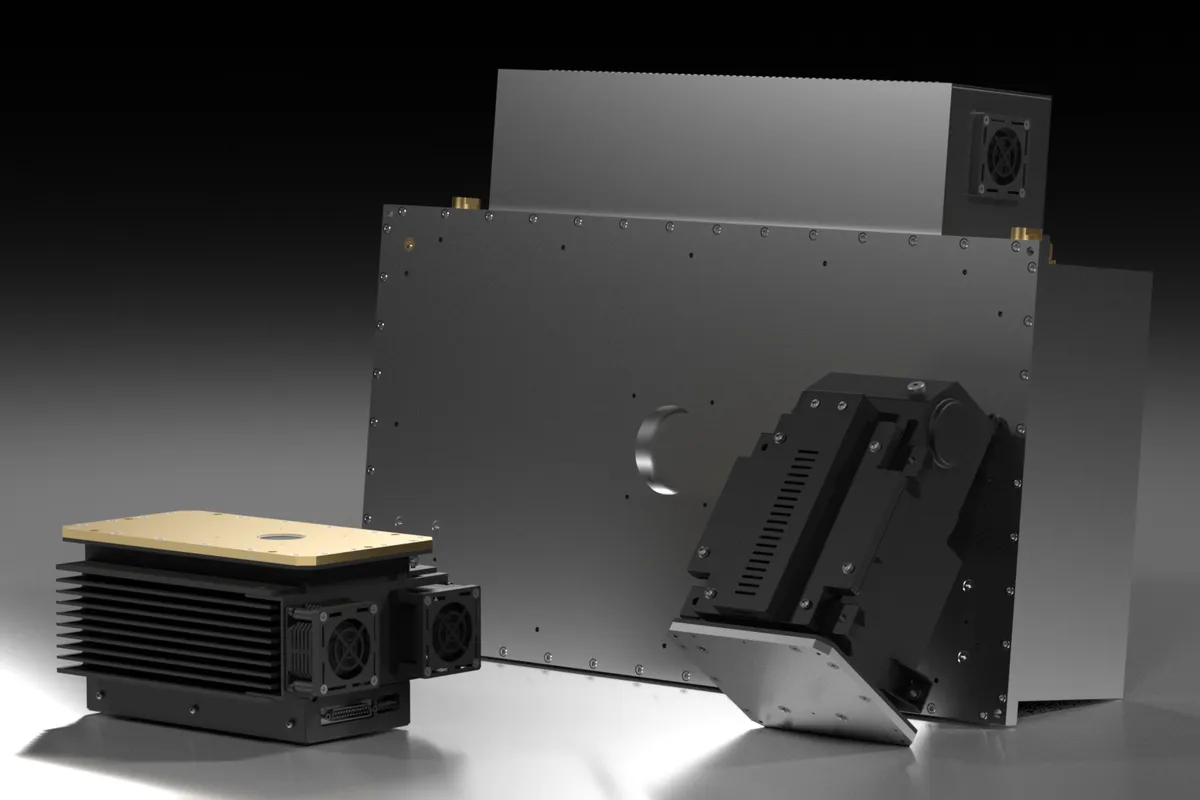
In today’s fast-evolving industrial and scientific world, precision and reliability are no longer optional; they are essential. Whether it is ensuring the safety of aerospace components, inspecting microelectronics, or supporting advanced medical diagnostics, industries depend heavily on imaging technologies that can deliver accurate internal visibility without failure.
At the core of these systems lies powerful engineering that enables stable energy generation and controlled imaging performance. Without it, even the most advanced inspection systems would fail to deliver consistent results.
One of the most important technologies enabling this level of precision is high-voltage X-ray generators, which play a critical role in producing stable and controlled X-ray output for industrial, medical, and security applications. In fact, the demand for high-voltage generators has increased significantly as industries shift toward more accurate, automated, and high-speed inspection systems.
This growing need is driven by one simple expectation: better performance with zero compromise on reliability.
The Importance of High Voltage in Imaging Systems
High-voltage systems are the backbone of all X-ray-based technologies. They are responsible for accelerating electrons to extremely high energies, which ultimately generate the X-rays used for imaging. The accuracy of this process directly impacts image clarity, penetration strength, and diagnostic reliability.
In industrial environments, precision is everything. A minor defect in a component can lead to major operational failures. That is why voltage stability and control are essential in ensuring that imaging systems perform consistently under varying workloads.
Modern high-voltage architectures are designed to maintain strict control over energy output, ensuring that the imaging process remains stable even during continuous operation. This stability is what allows industries to trust X-ray systems for mission-critical inspection tasks.
How Power Delivery Shapes X-Ray Performance
Behind every high-quality imaging system is a carefully engineered power control structure that manages energy conversion and distribution. These systems regulate voltage and current to ensure that X-ray tubes operate efficiently and safely.
Without precise power regulation, imaging systems can experience fluctuations that lead to inconsistent results or equipment wear over time. This is why advanced power systems are designed not just for performance but also for protection and longevity.
In modern engineering setups, high-voltage power supplies are essential components that ensure controlled and efficient energy delivery. They stabilise the power required for X-ray generation, helping maintain consistent imaging output across different operational conditions.
These systems are widely used across industrial inspection systems, medical diagnostic equipment, laboratory testing devices, and advanced security scanning platforms.
By ensuring smooth and regulated energy flow, they significantly enhance both performance and equipment lifespan.
Industrial Applications and Real-World Use Cases
The use of high-performance imaging technology is expanding rapidly across industries where accuracy and internal visibility are critical. From manufacturing to healthcare, these systems help professionals make informed decisions based on precise internal analysis.
Some of the key applications include:
- Aerospace and automotive inspection for detecting internal cracks and structural defects
- Electronics manufacturing for analyzing circuit boards and micro-components
- Medical imaging systems for diagnostic accuracy and patient safety
- Security screening systems for identifying hidden objects in luggage and cargo
- Research laboratories for studying material composition and behavior
Each of these applications requires a high level of imaging accuracy, where even the smallest inconsistency can lead to incorrect conclusions. This makes stable and high-performance imaging systems essential for modern industries.
Why Stability and Precision Matter
In high-energy imaging systems, stability is not just a technical advantage; it is a necessity. Any fluctuation in voltage or current can directly affect imaging output, leading to reduced accuracy and operational inefficiency.
Stable systems ensure that performance remains consistent over long operational cycles. This is especially important in industrial environments where equipment runs continuously and downtime must be minimised.
The importance of stability becomes even more critical when systems are used in automated inspection lines, where real-time accuracy is required without human intervention.
Reliable system performance also contributes to lower maintenance requirements, reduced operational costs, and improved long-term efficiency.
Key Benefits of Advanced X-Ray Systems
Modern imaging technologies are designed to deliver high performance across demanding environments. Their engineering focus is not only on power but also on control, efficiency, and durability.
Some of the key benefits include:
- High imaging accuracy with stable energy output
- Reduced system downtime and maintenance requirements
- Enhanced safety during high-energy operations
- Improved efficiency in continuous industrial use
- Longer operational lifespan of critical components
These advantages make advanced X-ray systems a valuable investment for industries that rely on precision inspection and analysis.
Choosing the Right Technology for Industrial Needs
Selecting the right imaging system depends on understanding operational requirements, workload intensity, and performance expectations. Different industries require different levels of power, resolution, and control, making flexibility an important factor in system design.
Modern high-voltage generators are built with adaptability in mind, allowing users to configure output based on application needs. This ensures optimal performance across diverse use cases, from high-speed production lines to detailed laboratory analysis.
When evaluating systems, it is important to consider long-term reliability, energy efficiency, integration capability, and maintenance support. A well-designed system not only improves performance but also reduces operational risks over time.
Conclusion
The future of industrial and scientific imaging is built on precision, stability, and advanced power control. As industries continue to evolve, the demand for reliable inspection technologies will only grow stronger.
Technologies like high-voltage X-ray generators are playing a crucial role in shaping this future by enabling accurate and stable imaging across a wide range of applications. Combined with efficient energy systems and intelligent engineering, they ensure consistent performance even in the most demanding environments.
As industries continue to adopt smarter and more automated inspection solutions, the importance of stable imaging systems will remain at the core of technological progress.
Industries today rely on accurate and reliable imaging systems for safety and inspection. VJ X-Ray designs and manufactures advanced X-ray and high-voltage systems used in industrial, medical, and security applications. The company focuses on delivering stable, high-performance solutions for precise and efficient imaging needs worldwide.
