

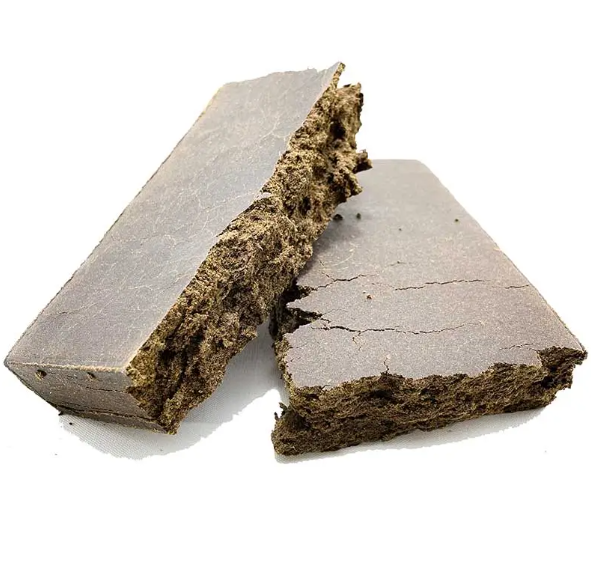
Cannabis concentrates have changed considerably over time. Traditional forms of hash have existed for generations, while modern processing has introduced products such as shatter, live resin, rosin and distillate. Although these products share a connection to the cannabis plant, their textures, aromas, appearances and processing methods can be very different.
The evolution of concentrates reflects broader changes in cannabis cultivation, processing and product development. What was once a relatively small category has grown into a diverse selection of formats, giving shoppers more ways to compare products based on texture, aroma and composition.
Understanding this development also makes today’s concentrate market easier to navigate. Rather than viewing every extract as essentially the same, shoppers can recognise the characteristics that distinguish traditional preparations from newer concentrate formats.
The Origins of Traditional Hash
Hash is one of the oldest forms of cannabis concentrate. Traditional hash-making involves collecting resin-rich material from cannabis plants and compressing it into a more concentrated form.
Different regions and traditions developed their own approaches to preparing hash, resulting in variations in texture, colour, aroma and consistency. Some forms are firm and compact, while others can be softer and more pliable.
The characteristics of traditional hash can also depend on the starting plant material and the methods used to collect and compress the resin. This gives different varieties their own visual and aromatic identities.
Hash remains an important part of the modern concentrate category because it provides a direct connection to the historical development of cannabis extracts. Modern shoppers can still encounter traditional-style hash alongside highly refined products.
The broader concentrate market therefore did not replace traditional hash. Instead, newer formats have expanded the category while hash continues to represent one of its foundational forms.
The Rise of Modern Cannabis Extracts
Advances in cannabis processing introduced a wider range of concentrate formats beyond traditional hash. Instead of relying primarily on mechanical separation and compression, modern extraction approaches allow processors to create products with very different textures and compositions.
Shatter became particularly recognisable because of its transparent, glass-like appearance. Its firm structure distinguishes it from softer products such as hash or resin.
Other developments focused more heavily on preserving aromatic compounds. This contributed to the growing popularity of resin-based products, which can have pronounced terpene profiles and distinctive flavours.
Distillates represent another direction in concentrate development. These products undergo additional refinement and are generally associated with a more purified, oil-like consistency.
Rosin also represents an important development because it is produced through a solventless pressing approach. Its characteristics can differ depending on the starting material and processing conditions.
The result is a concentrate market with considerably more variation than the traditional hash category alone could provide.
Exploring Different Concentrate Formats
For shoppers browsing the concentrates collection, the range of available formats can initially seem extensive. A typical modern catalogue may include shatter, hash, live resin, distillate and other extract varieties, each with its own physical and aromatic characteristics. West Coast Bud’s current concentrate catalogue includes products across several of these formats, including shatter, hash, live resin and distillate.
Several common formats can be distinguished by their basic characteristics:
- Hash: A traditional concentrate generally recognised for its dense, compact or malleable texture and distinctive plant-derived aroma.
- Shatter: A firm concentrate known for its glass-like structure. Its texture can change depending on temperature and storage conditions.
- Live resin: A concentrate made from freshly harvested cannabis that is preserved before processing. It is often associated with pronounced terpene and aromatic characteristics.
- Distillate: A highly refined extract generally found in an oil-like form. Additional processing can result in a different aroma and appearance compared with less refined concentrates.
- Rosin: A solventless concentrate produced through controlled pressing. It can have a texture and aroma profile that differs from both traditional hash and solvent-based extracts.
These formats demonstrate how much the concentrate category has expanded. Each product type can offer a different combination of texture, aroma, appearance and processing characteristics.
Shatter and the Development of Glass-Like Extracts
Shatter became one of the most recognisable modern concentrate formats because of its distinctive physical appearance. Its translucent, glass-like structure separates it visually from traditional hash and softer resin products.
The development of shatter also demonstrated how processing could create a concentrate with a completely different texture from traditional preparations. Rather than being dense and malleable, shatter can be rigid and brittle.
Current product catalogues can contain many different shatter varieties based on different cannabis genetics. West Coast Bud’s shatter collection, for example, includes varieties such as Cookies, Blue Cheese, Goudaberry, White Fire OG and several other named products.
Genetics influence the aromatic characteristics associated with these products. A shatter made from one cultivar may have a noticeably different aroma from another even though both share the same basic concentrate format.
Storage and temperature can also influence the texture of shatter. A cooler environment may keep it more rigid, while warmer conditions can make it softer.
Shatter therefore illustrates an important stage in the evolution of concentrates: the development of extracts that combine concentrated cannabis material with distinctive physical characteristics.
Live Resin and Fresh-Plant Processing
Live resin introduced another important direction in concentrate development by placing greater emphasis on preserving characteristics associated with freshly harvested cannabis.
Instead of beginning with conventionally dried and cured plant material, live resin is generally made using freshly harvested cannabis that has been preserved through freezing before processing. This approach is intended to retain more of the plant’s naturally occurring aromatic compounds.
The resulting concentrate is commonly associated with strong aroma and flavour profiles. Its texture is also different from the rigid structure of shatter, often appearing softer, sticky or viscous.
The growing interest in terpene-rich products helped make live resin an important part of the modern concentrate category. Current West Coast Bud listings include multiple live resin varieties with different genetic profiles and quantities.
Live resin also demonstrates how concentrate development is not simply about increasing refinement. Some modern processing approaches focus specifically on retaining characteristics that might otherwise be reduced during conventional processing.
This gives shoppers another way to compare extracts based on the qualities they value, particularly aroma, flavour and texture.
Distillates and Greater Refinement
Distillate represents another major stage in the development of modern cannabis extracts. Rather than focusing primarily on preserving the complete aromatic profile of the original plant material, distillation involves additional refinement.
The result is generally a highly refined cannabis extract with an oil-like consistency. Depending on the product, terpenes may be reduced during refinement or incorporated separately to create a particular flavour profile.
Distillate can therefore look and behave very differently from products such as hash, shatter or live resin.
Modern product catalogues can include distillate syringes and other formats, giving shoppers several options within the same broad category. West Coast Bud currently lists multiple distillate products, including syringe formats and different quantities.
The development of distillates demonstrates another direction in cannabis processing. While some extracts focus on preserving the character of the original plant, highly refined products can focus more heavily on purification and consistency.
This contrast between preservation and refinement is one of the most interesting aspects of the modern concentrate market.
Today’s Diverse Concentrate Landscape
The modern concentrate category combines traditional products with increasingly varied extraction and processing techniques. This means shoppers can now compare products according to characteristics that were not available in the same way in earlier cannabis markets.
The diversity can be seen across several areas:
- Texture: Products can range from compact and malleable hash to brittle shatter, sticky resin and fluid distillate.
- Aroma: Different processing methods can preserve, reduce or alter the aromatic compounds associated with the original plant material.
- Genetics: Concentrates are produced from many different cannabis cultivars, creating a wide variety of potential aromatic and chemical profiles.
- Processing: Traditional mechanical methods exist alongside solvent-based extraction, solventless pressing and advanced refinement techniques.
- Appearance: Colour and consistency can vary considerably between concentrate formats and individual products.
- Product formats: Syringes, jars and other packaging formats allow extracts to be presented in ways suited to their physical characteristics.
This variety has made concentrates a distinct product category rather than simply a more concentrated version of traditional flower.
For shoppers, the most useful approach is to understand what each format represents. A product’s name can identify the general category, while its description provides the details needed to distinguish one product from another.
Conclusion
The history of cannabis concentrates stretches from traditional hash to an increasingly diverse collection of modern extracts. Hash established the foundation for concentrated cannabis products, while later developments introduced formats such as shatter, live resin, rosin and distillate.
Each stage of this development introduced different characteristics. Shatter became known for its glass-like structure, live resin placed greater emphasis on preserving aromatic compounds from fresh cannabis, and distillate demonstrated the possibilities of extensive refinement.
Today’s concentrate market brings these different approaches together. Traditional products can exist alongside highly processed extracts, giving shoppers a wide range of textures, aromas, appearances and product formats to explore.
Understanding how concentrates evolved makes it easier to appreciate why modern extract catalogues contain such a broad selection. Rather than being one uniform category, concentrates represent a collection of distinct approaches to processing cannabis into products with their own individual characteristics.
