

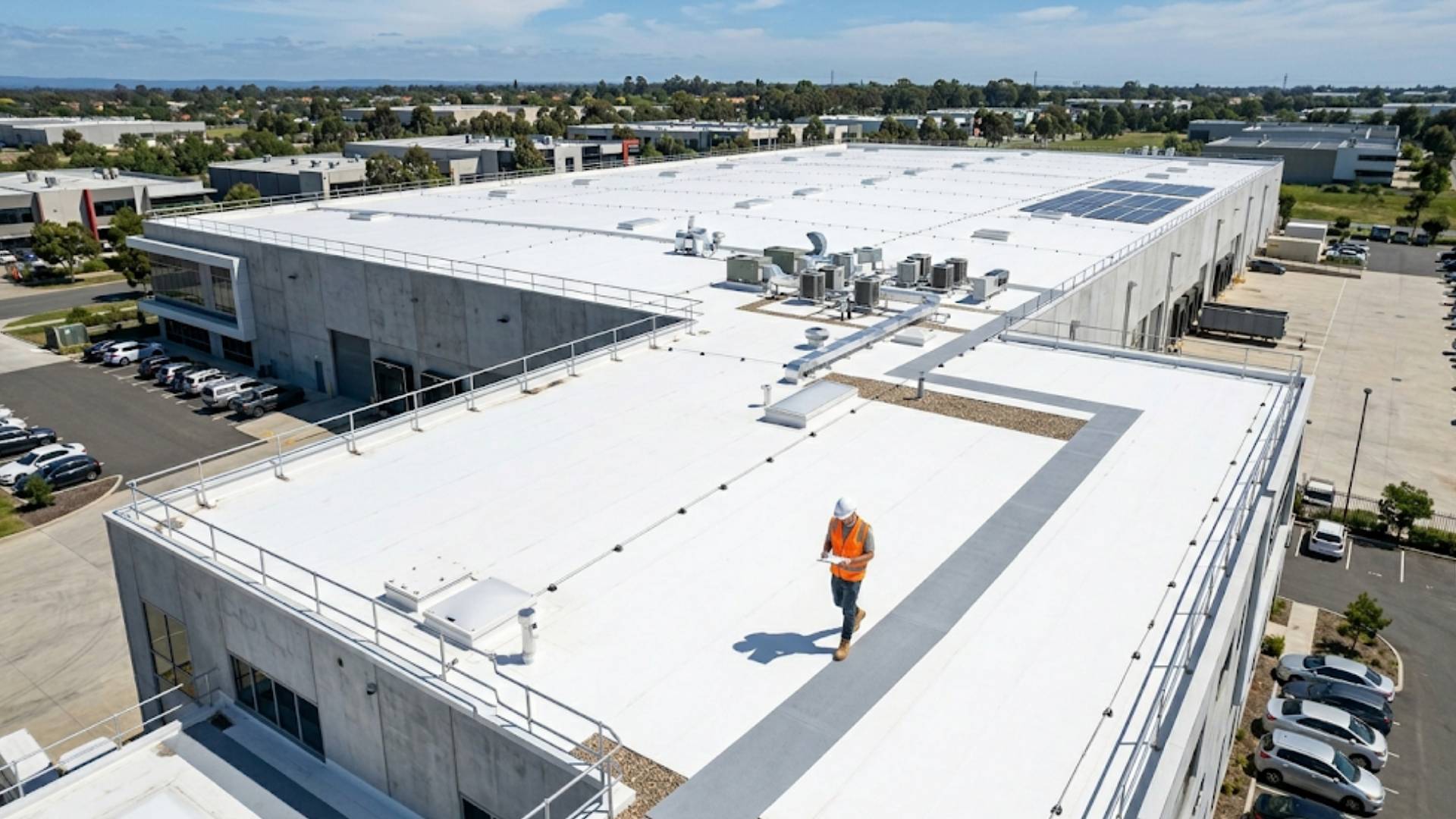
Flat roofs require specialized knowledge, materials, and installation techniques that differ significantly from residential roofing systems. Whether you own an office building, warehouse, retail center, apartment complex, or industrial facility, choosing an experienced flat roofing contractor is essential for protecting your property and maximizing the lifespan of your roof.
Unlike steep-slope roofs, flat roofing systems rely on carefully designed drainage, high-quality membranes, and precision installation to keep water out of the building. Professional flat roofing contractors understand how to install roofing systems that withstand heavy rain, snow, UV exposure, and the constant expansion and contraction caused by changing temperatures.
Every flat roofing project begins with a detailed inspection. Contractors evaluate the roofing membrane, insulation, roof deck, flashing, edge metal, rooftop HVAC equipment, drains, scuppers, skylights, and other penetrations. Moisture inspections may also be performed to identify hidden water beneath the existing roofing system before replacement begins.
Modern flat roofing systems are available in several materials, including EPDM rubber roofing, TPO, PVC, and modified bitumen. Each roofing system offers unique advantages depending on the building’s use, energy-efficiency goals, and budget. An experienced contractor will recommend the system that best fits your property’s long-term needs.
Proper drainage is one of the most important aspects of flat roofing. Standing or ponding water can shorten the lifespan of a roof and increase the risk of leaks. Professional contractors ensure drains, tapered insulation, scuppers, and gutters are functioning properly so water moves off the roof efficiently.
Flat roofing projects also require careful attention around rooftop equipment. HVAC units, exhaust fans, plumbing vents, skylights, and electrical equipment all require professionally installed flashing and watertight seals. These areas are among the most common locations for leaks if they are not installed correctly.
Safety is another critical part of every commercial roofing project. Experienced flat roofing contractors follow OSHA regulations, utilize fall-protection systems, secure work areas, and coordinate crane deliveries when large quantities of materials must be lifted onto the roof. Proper planning helps minimize disruptions while maintaining a safe work environment.
Routine maintenance is essential for extending the life of any flat roof. Semiannual inspections, cleaning roof drains, removing debris, checking flashing, and repairing minor damage early can significantly reduce long-term maintenance costs while helping prevent unexpected leaks.
Choosing a Flat Roofing Contractor means selecting professionals with the knowledge, equipment, and experience to install and maintain commercial roofing systems correctly. With quality materials, expert craftsmanship, and preventative maintenance, your flat roof can provide reliable protection, improved energy efficiency, and long-term value for your commercial property.
