

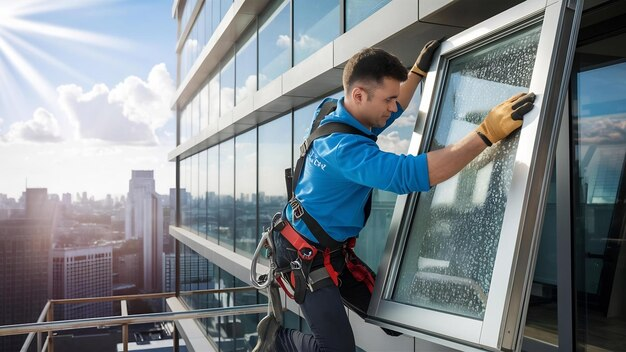
Commercial buildings rely on glass for natural lighting, visibility, insulation and overall appearance. From storefront windows to office partitions and entrance doors, glass installations influence how a property looks and functions throughout the day. Cracks, cloudy panels, loose fittings and damaged seals can affect safety, comfort and the building’s professional appearance. Property owners considering commercial glass replacement can address these concerns by identifying damage early and choosing suitable glazing solutions that meet the property’s structural and functional requirements.
Visible Damage Can Affect Building Safety
Glass damage may appear minor at first, but even a small crack can gradually spread because of temperature fluctuations, vibrations, wind pressure or accidental impact. Commercial properties often experience frequent movement around entrances, loading areas and pedestrian walkways, which can increase the risk of glass damage.
Damaged glass should not be ignored, particularly in areas where employees, visitors and customers regularly pass. Depending on the condition of the panel, replacement may be necessary to reduce the risk of breakage or injury.
Property managers should pay attention to several warning signs:
- Cracks extending towards the edges of a glass panel.
- Chips or impact marks that continue to spread.
- Loose glass panels or unstable window fittings.
- Broken glazing around entrances and reception areas.
- Visible damage to frames supporting large glass sections.
Prompt attention can help maintain a safer environment while preventing damaged glazing from becoming a more serious property concern.
Poor Insulation Can Affect Indoor Comfort
Windows and glass doors contribute to a commercial building’s thermal performance. Damaged seals, outdated glazing and poorly fitted panels can allow unwanted heat transfer, making indoor spaces uncomfortable during different seasons.
Offices with inefficient windows may experience cold drafts during winter or excessive heat during summer. Employees working near these windows may find it difficult to maintain comfortable temperatures, while heating and cooling systems may need to operate for longer periods.
Replacing outdated glazing can help improve thermal insulation when the replacement system is appropriately selected and installed. Modern glazing options may include insulated glass units, low-emissivity coatings and other features designed to reduce heat transfer.
Improved window performance can support:
- More consistent indoor temperatures across different rooms.
- Reduced drafts near windows and glass doors.
- Better thermal comfort for employees and visitors.
- More efficient operation of heating and cooling equipment.
Choosing glazing based on the building’s orientation, usage and climate can help property owners address recurring temperature-related problems.
Cloudy Glass Creates an Unprofessional Appearance
Appearance matters for commercial properties. Storefronts, office buildings, hotels and retail spaces often use glass to create an inviting exterior and maintain a clean, professional impression. Stained, scratched or permanently cloudy glazing can make an otherwise well-maintained property appear neglected.
Some glass imperfections can be addressed through regular cleaning, but others result from damaged coatings, mineral deposits, scratches or moisture trapped between insulated glass panes. Persistent cloudiness inside double-glazed units may indicate seal failure, which cannot usually be resolved through ordinary cleaning.
Property owners should assess the condition of their glazing if they notice:
- Persistent fogging between glass panes.
- Scratches that remain visible after cleaning.
- Discolouration caused by deteriorating glass coatings.
- Water marks or moisture trapped within sealed units.
- Uneven reflections or visible deterioration across the glazing.
Replacing damaged panels can help restore clear visibility and improve the appearance of building façades, entrances and interior spaces.
Modern Glass Designs Support Functional Spaces
Commercial architecture often incorporates glass to create brighter interiors, open layouts and better visual connections between indoor and outdoor areas. Existing glazing may not always support these design goals, especially in older properties that have undergone multiple renovations.
Replacement projects provide an opportunity to reconsider the type, thickness, finish and placement of glass throughout a building. Property owners may explore different glazing options according to privacy requirements, light levels, safety considerations and architectural preferences.
Common commercial applications include:
- Storefront glazing: Clear glass can improve visibility of retail displays and create welcoming entrances.
- Office partitions: Glass dividers can separate workspaces while allowing natural light to travel through the interior.
- Reception areas: Decorative or clear glass can complement the appearance of customer-facing spaces.
- Meeting rooms: Frosted, tinted or patterned glass can provide additional privacy.
- Exterior façades: Suitable glazing systems can contribute to the building’s appearance and weather protection.
Businesses working with Luxurious Glass can explore glazing possibilities that suit different commercial environments, architectural layouts and practical requirements.
Damaged Seals and Water Leakage Require Attention
Glass installations depend on seals, joints and surrounding frames to help prevent water and air infiltration. Deteriorating sealants may allow rainwater to enter around window edges, potentially damaging walls, flooring, furnishings or nearby electrical installations.
Water leakage may also indicate problems with drainage systems, frame alignment or the original installation. Simply applying fresh sealant may not resolve the underlying issue if the glazing system or frame has deteriorated significantly.
Property owners should inspect glass installations after heavy rainfall and look for:
- Water stains around window frames.
- Damp patches beneath glass panels.
- Peeling paint near glazing edges.
- Visible gaps between glass and supporting frames.
- Persistent condensation or moisture accumulation.
Professional assessment can help determine whether repairs are sufficient or whether replacing affected glass components is a more suitable option.
Choosing the Right Glass for Commercial Requirements
Different commercial properties have different glazing requirements. A retail storefront may prioritise visibility and security, while an office building may require insulation, glare reduction and privacy. Selecting glass without considering these requirements can lead to unnecessary maintenance or performance concerns.
Before arranging a replacement project, property owners should evaluate several factors:
- Safety requirements: Consider laminated, tempered or other appropriate safety glazing based on the location and applicable building regulations.
- Energy performance: Evaluate insulation characteristics, solar heat gain and the building’s climate.
- Privacy: Explore frosted, tinted or patterned options for areas requiring visual separation.
- Structural compatibility: Confirm that the replacement glass suits existing frames, dimensions and supporting systems.
- Maintenance: Choose finishes and glazing systems that are practical to maintain within the property’s operating conditions.
A careful selection process can help businesses maintain functional glazing systems while accommodating changing operational and architectural needs.
Maintain a Reliable and Presentable Commercial Property
Glass installations influence building safety, indoor comfort, natural lighting and the visual impression a commercial property creates. Regular inspections can help identify deterioration before it affects larger areas or creates avoidable disruptions. Property owners who notice recurring leaks, damaged panels, inefficient insulation or persistent cloudiness should consider a professional assessment to determine the appropriate next steps. For assistance evaluating glazing options and planning suitable improvements, contact us to discuss the requirements of your commercial property and the glass solutions available for its spaces.
