

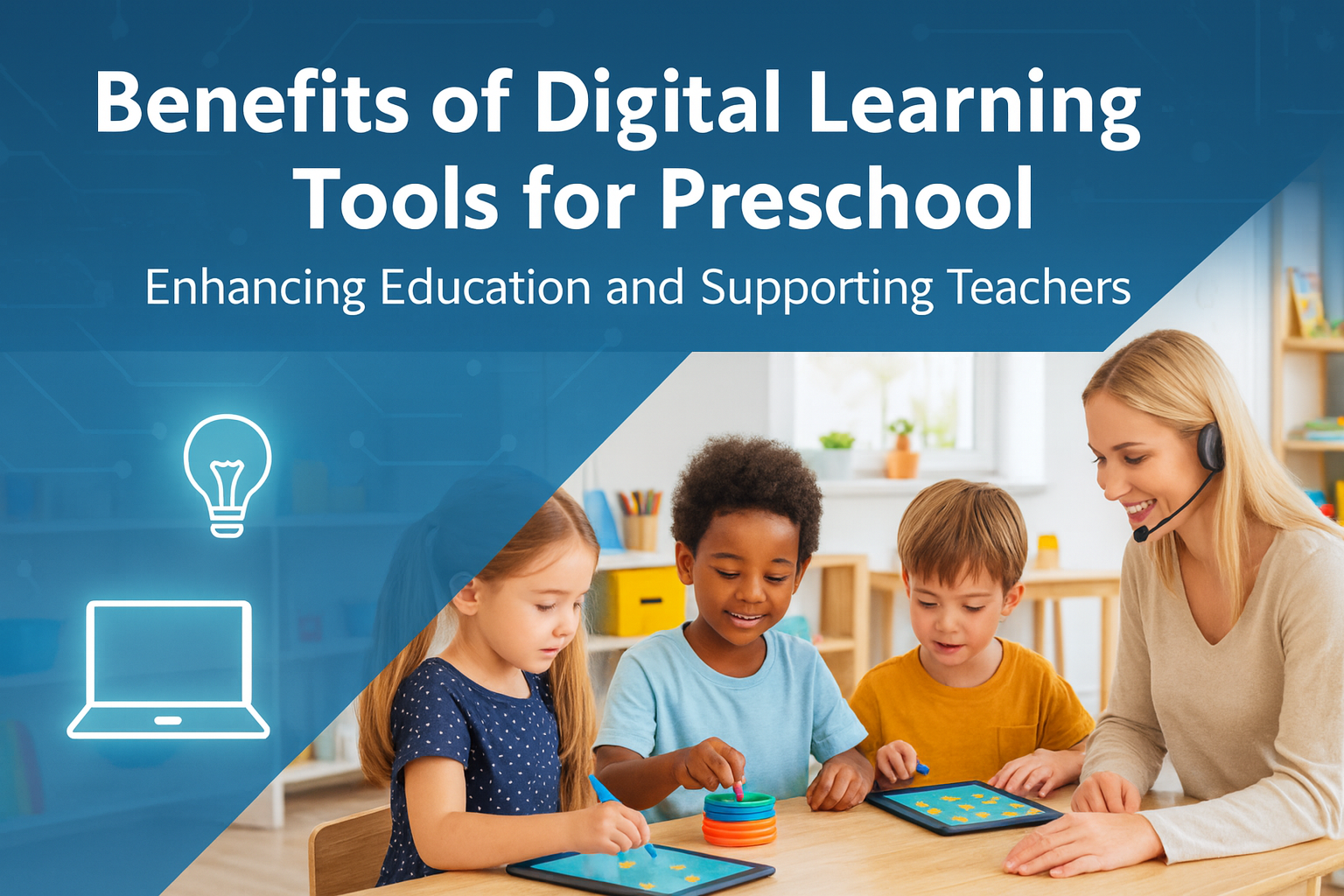
Overview of Digital Learning Tools in Early Childhood Education
Discover the benefits of digital learning tools for preschool as we explore how technology is reshaping early education. Digital education in early childhood is rapidly transforming preschool technology trends, setting the stage for innovative learning environments. Integrating digital tools in preschool is crucial for enhancing learning, fostering engagement, and supporting overall development.
In the realm of digital learning for kids, a variety of tools have emerged to energize classrooms with technology in early education. These include:
- Educational apps and interactive games
- Digital storytelling platforms
- Online classrooms and virtual puzzles
Such tools create a “smart classroom education” environment where interactivity and personal engagement thrive. For example, virtual puzzles and creative apps for storytelling not only encourage problem-solving and creativity in young learners but also bolster digital learning for kids in innovative ways.
The Key Benefits of Digital Learning Tools for Preschool
Digital tools support personalized learning paths and foster early digital literacy, crucial for future academic success. By increasing engagement, offering instant feedback, and helping teachers track student progress, digital education in early childhood can build a strong foundation for later learning. Pairing technological tools with a Preschool management system simplifies administrative tasks, allowing educators to focus on teaching and personalizing student experiences more effectively.
For those aiming to expand their technological toolkit, exploring educational apps for preschool kids provides numerous interactive and engaging options designed to stimulate curiosity and learning.
How Digital Tools Support Preschool Teachers
Digital tools for preschool teachers are transformative in customizing lesson plans, monitoring student performance, and including children of different abilities. With preschool software for teachers, scheduling and documentation are simplified, reducing paperwork and leaving more time for direct student interactions.
These resources bring “smart classroom education” to life by offering real-time insights, interactive whiteboards, and seamless integration with Educational software for preschools. Combined with AI-powered systems, digital tools enhance the entire educational experience for both teachers and students.
Examples of Effective Interactive Learning Platforms
Interactive learning platforms help create dynamic preschool environments. For example:
- Digital storytelling apps: Support creativity, language development, and self-expression.
- Gamified systems: Use progress tracking, badges, or rewards for literacy, math, and early science.
- Collaborative online activities: Encourage teamwork and social-emotional skill-building with interactive whiteboards.
Integrating these platforms with a Preschool management app makes technology an integral part of the daily routine. Considering gamified learning experiences can further motivate and engage young learners.
Impact on Digital Literacy in Preschoolers
Digital literacy in preschoolers involves familiarity with devices, basic navigation skills, and awareness of online safety. Early exposure fosters comfort and proficiency, ensuring children adapt easily to technology’s evolution. Responsible technology use also keeps children mindful of ethical online behaviors, setting them up for success in future academic and social environments.
Addressing Concerns – Balancing Screen Time with Traditional Learning
Technology should supplement, not replace, traditional learning methods. Digital activities work best as brief, interactive sessions that align with core educational objectives. Complementing screen time with physical play, outdoor exercises, and direct social interactions ensures a well-rounded developmental experience. Tools that encourage creativity, problem-solving, and movement reflect the interactive learning experiences recommended by professionals. Gaining this balance can be achieved with approaches like cognitive development through games.
Conclusion
When used thoughtfully, digital education in early childhood significantly enhances learning outcomes. The benefits of digital learning tools for preschool range from personalized experiences and teacher support to the development of critical digital skills. Staying informed about evolving preschool technology trends and responsibly combining technology with traditional methods can deliver a holistic preschool education experience. By harnessing these tools, early childhood programs can pave the way for more efficient and engaging teaching practices.
FAQs:
Q: Is digital learning suitable for preschoolers?
A: Yes, when implemented thoughtfully and age-appropriately, digital tools can enrich learning by boosting engagement and catering to different learning styles.
Q: How much screen time is recommended for young children?
A: Recommendations vary, but short, purposeful sessions are key. Balancing screen time with physical activity, social interaction, and hands-on exploration ensures overall development.
Q: Do digital tools replace traditional teaching methods?
A: No, they complement traditional methods. Digital resources enhance and support existing teaching strategies, providing interactive and personalized learning experiences.
Q: Can teachers track progress easily using digital platforms?
A: Absolutely. Many preschool software solutions provide real-time analytics, helping teachers tailor lessons to individual needs and communicate progress to parents more effectively.
