

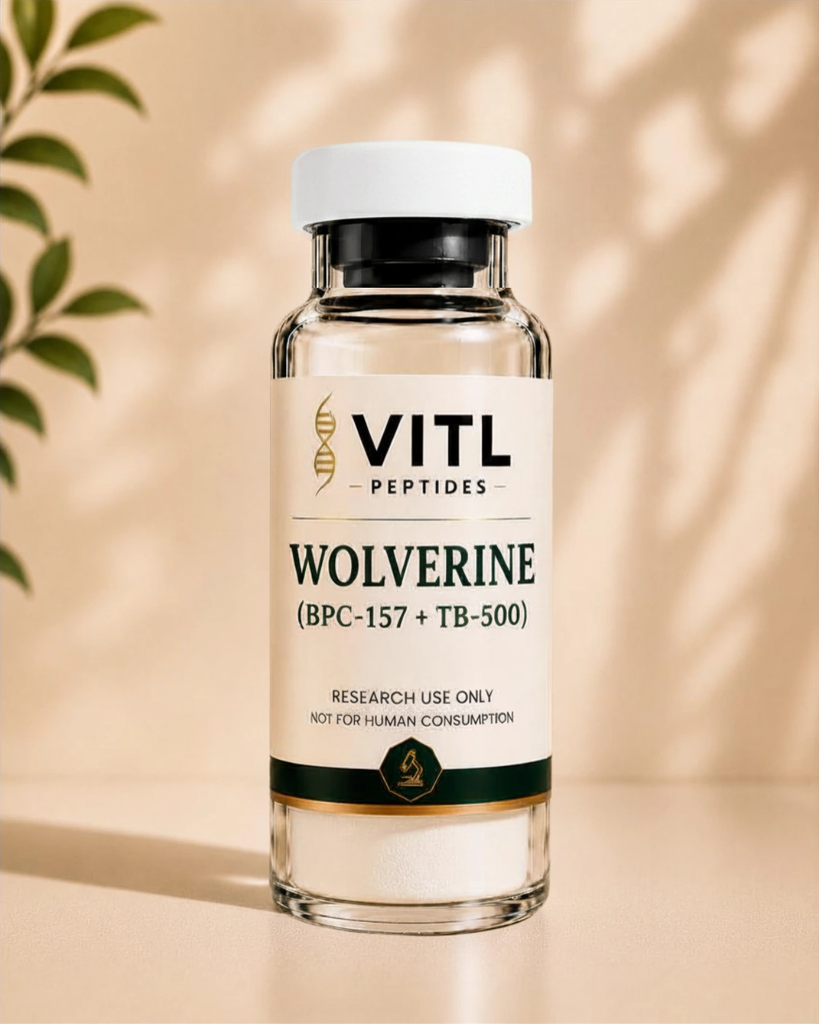
Choosing a research peptide supplier requires more than comparing product names, listed purity percentages and prices. Laboratory buyers need reliable documentation that identifies the material, connects analytical results to the relevant batch and explains the conditions required for appropriate storage and handling. Missing or unclear information can create problems during procurement, sample receipt and research recordkeeping. A supplier should make it possible to review the available evidence before an order is placed. Careful assessment of these details helps research teams make purchasing decisions based on documented quality attributes rather than marketing statements.
For laboratories comparing a research peptide supplier, the review should cover product identity, certificates of analysis, analytical methods, storage guidance and the supplier’s approach to research-use restrictions. Each element answers a different question, so no single certificate or purity figure should determine the final decision. The evidence must relate to the specific material being considered. Buyers should also establish whether the available documentation meets their own laboratory’s quality requirements.
Why Supplier Evaluation Matters in Laboratory Research
Research materials must be suitable for the requirements of the planned investigation. Product identity, composition, purity and other relevant characteristics can affect how a sample is interpreted, making accurate documentation an essential part of laboratory procurement. A supplier’s general quality statement cannot replace evidence for an individual product or batch. Researchers need to know which attributes have been assessed and which remain unverified.
Traceability also matters after delivery. Procurement records should allow the received material to be connected to its product listing, batch identifier, analytical report and purchase documentation. This creates a clearer record for internal reviews, inventory management and subsequent research audits. Laboratories should define their acceptance criteria before ordering rather than deciding what evidence is sufficient after the material arrives.
Start with Product Identity and Labelling
A product listing should identify the research material clearly and provide enough information to distinguish it from similar compounds or formulations. The product name, stated quantity, physical form and available batch details should be consistent across the listing, order confirmation, packaging and analytical documents. Any differences need clarification before the material is accepted into laboratory inventory. Clear labelling reduces the risk of confusing products during receiving and recordkeeping.
Check the information attached to each product
Review the following details before placing an order:
- Product identity: Confirm the stated compound name and any relevant product or catalogue identifier.
- Quantity and form: Check the declared amount and physical form against the laboratory’s purchasing requirements.
- Batch identification: Look for a lot number or another identifier that connects the material to its documentation.
- Research-use restrictions: Confirm that the stated use matches the laboratory’s lawful research purpose.
- Documentation access: Establish whether the relevant analytical records can be reviewed before purchase.
These checks are straightforward, but they establish the foundation for a reliable purchasing record. A polished product page does not establish that every listed quality attribute has been independently verified. The supporting evidence must be available and relevant to the specific material.
Read the Certificate of Analysis Carefully
A certificate of analysis (COA) reports analytical findings for a specified sample or batch. Its value depends on the information it contains and the connection between the report and the material being purchased. Buyers should look beyond a headline purity percentage and examine the report’s identifiers, methods, results and limitations. A certificate that cannot be matched to the relevant batch provides weaker evidence for a procurement decision.
Confirm that the report matches the batch
Check the product name, sample or batch identifier, testing date, laboratory details and reported analytical methods. Confirm that the document corresponds to the lot available for purchase rather than an older batch or a generic product specification. Where the supplier provides separate reports for different quality attributes, review each document rather than assuming one certificate covers every test. Keep the applicable records with the purchase and receiving documentation.
A COA should also be readable and sufficiently detailed to support its stated conclusions. If results, identifiers or testing details are missing, ask the supplier for clarification. Do not assume that an absent result means a test was passed. The laboratory should apply its own acceptance criteria when deciding whether the documentation meets its requirements.
Understand what the reported results establish
Purity, identity, concentration, sterility and endotoxin status are different quality attributes. A report supporting one attribute does not automatically establish the others. For instance, a chromatographic purity result does not independently demonstrate sterility or confirm that a material is suitable for a particular research protocol. The scope of each claim should match the evidence provided.
Which Analytical Testing Methods Are Relevant?
The appropriate analytical methods depend on the material, the quality attribute under review and the intended analytical purpose. Two methods frequently encountered in peptide documentation are high-performance liquid chromatography (HPLC) and mass spectrometry (MS). They provide different types of information and should not be treated as interchangeable. A useful report identifies the methods used and explains the results within their proper limits.
HPLC and chromatographic purity
HPLC separates components within a sample under defined analytical conditions. A chromatogram displays detected signals, and the relative areas of relevant peaks may be used to calculate a reported chromatographic purity value. The result depends on the method, detector, sample preparation and calculation approach. It should therefore be interpreted in the context of the report rather than treated as a universal measure of product quality.
A supplier may display a high purity percentage, but the number alone does not answer every quality question. Buyers should check whether the underlying report identifies the tested sample and provides enough information to understand the result. The reported percentage should not be interpreted as proof of sterility, correct concentration or suitability for a particular experiment.
Mass spectrometry and molecular identity
Mass spectrometry measures the mass-to-charge ratios of detected ions. Depending on the method and the evidence presented, the findings can support an assessment of whether a detected species is consistent with the expected molecular mass. This is different from measuring chromatographic purity. A mass result also has limitations and may not resolve every possible structural difference or impurity.
Laboratories should assess whether the method is appropriate for the claim being made. Where a report combines HPLC and MS findings, review the conclusions for each technique separately. The presence of both method names is not a substitute for examining the actual results.
Separate evidence for endotoxins and sterility
Endotoxin testing and sterility testing address questions that purity and identity results do not resolve. They should be considered only where relevant to the laboratory’s documented requirements, with suitable evidence for each stated attribute. A supplier should not imply that a material is sterile or free of endotoxins solely because an HPLC report shows a high purity value. Buyers should request clarification when a product claim extends beyond the tests documented.
Examine Storage, Packaging and Handling Information
Research materials may be affected by temperature, moisture, light and other environmental conditions. The appropriate requirements depend on the compound, its formulation, packaging and available stability information. Buyers should review the supplier’s product-specific instructions and confirm that the laboratory can meet the stated conditions. Generic storage advice should not override instructions supplied for the particular material.
Check whether the documentation explains relevant storage conditions, handling precautions and any limitations on the information available. At receipt, compare the package and product label with the order records, and document any visible damage or discrepancy according to laboratory procedures. Retain shipment information when it forms part of the laboratory’s traceability requirements. If the condition of the material is uncertain, follow the laboratory’s established process for holding and reviewing the delivery.
For example, VITL Peptides provides product-specific handling information on its listings. Researchers reviewing VTL-R purity should consult the applicable batch documentation rather than relying only on the percentage displayed on the page. The same principle applies to any other research material, including lyophilized VIP, for which the exact product record and supporting documentation should be confirmed before purchase.
Assess Supplier Transparency and Support
A supplier’s response to documentation queries can reveal whether its purchasing process supports effective recordkeeping. Buyers should be able to identify where certificates are published, how product batches are distinguished and how discrepancies can be reported. Clear procedures are particularly useful when a report is incomplete or a received label does not match the order. These details should be assessed alongside the product information, not as a replacement for technical evidence.
Before committing to an order, check the supplier’s policies for damaged or incorrect shipments, document requests and order-related queries. For larger purchases, confirm that the supplier can provide the records required by the organisation’s procurement process. Keep written responses with the relevant purchasing file so that important clarifications are not lost. If information remains unclear, postpone acceptance until the issue has been resolved under the laboratory’s procedures.
VITL Peptides provides a support desk for queries relating to orders and documentation. Its website also presents research-use restrictions and batch documentation information. Buyers should review the records associated with the exact product and lot they intend to purchase, as availability and supporting evidence may differ between listings or batches.
Research-Only Labelling and Regulatory Boundaries
Research-use-only labelling describes the supplier’s stated intended use; it does not establish regulatory approval, clinical suitability or safety for human or veterinary use. Laboratory buyers must check the applicable laws, institutional policies and restrictions governing the purchase and handling of the material. Product descriptions, labels and accompanying documents should communicate the intended research use consistently.
Avoid interpreting research findings as proof of a therapeutic effect. Experimental observations do not automatically establish safety, efficacy or an approved medical application. Suppliers and buyers should ensure that product descriptions and supporting material do not make claims beyond the evidence available. Any uncertainty about regulatory status should be referred to an appropriate compliance or legal professional.
A Practical Checklist Before Selecting a Supplier
Use the following checklist to organise a supplier review:
- Verify the product name, quantity, physical form and batch identifier.
- Obtain the COA relevant to the material being considered.
- Check the laboratory, testing date, methods and reported results.
- Distinguish purity findings from identity, sterility and endotoxin evidence.
- Review storage, packaging and handling documentation.
- Confirm research-use restrictions and applicable purchasing requirements.
- Check how the supplier handles missing documents or product discrepancies.
- Retain product records, analytical reports, invoices and receiving notes.
The laboratory should compare suppliers against consistent criteria rather than relying on price or a single advertised specification. Its final decision should reflect the quality attributes required for the research, the strength of the supporting evidence and the supplier’s ability to provide traceable records. A documented review also makes later purchasing decisions easier to assess against the same standards.
Conclusion
Selecting a research peptide supplier is a documentation-led decision. Product identity, batch-specific analytical evidence, appropriate storage information and clear communication each contribute to an informed assessment. No single purity figure or certificate should be treated as proof of every quality attribute. Researchers should verify the evidence for the exact material, apply their own acceptance criteria and retain the records needed to support laboratory traceability.
Frequently Asked Questions
1. What should a research peptide supplier provide?
A supplier should provide clear product identification, applicable batch details, relevant analytical documentation, storage and handling information, and explicit research-use restrictions. The records should be detailed enough for the buyer to assess the stated quality attributes.
2. What is a certificate of analysis for peptides?
A certificate of analysis is a report of analytical findings for a specified sample or batch. It may include identity, purity or other test results, depending on the tests performed. Buyers should confirm that the report matches the material being considered.
3. Does a high purity percentage guarantee research quality?
No. A purity result addresses a particular analytical measurement and does not independently establish identity, concentration, sterility, endotoxin status or suitability for a specific experiment. The full report and other relevant evidence must be assessed.
4. Why do HPLC and mass spectrometry matter?
HPLC separates detected components and can support a chromatographic purity assessment. Mass spectrometry provides mass-related information that may support molecular identification. Their findings answer different questions, and neither method alone establishes every aspect of material quality.
5. How can laboratories compare research peptide suppliers?
Laboratories can compare product traceability, batch-specific COAs, analytical methods, storage documentation, purchasing terms and support procedures. They should define their quality requirements in advance and select a supplier whose available evidence meets those requirements.
