

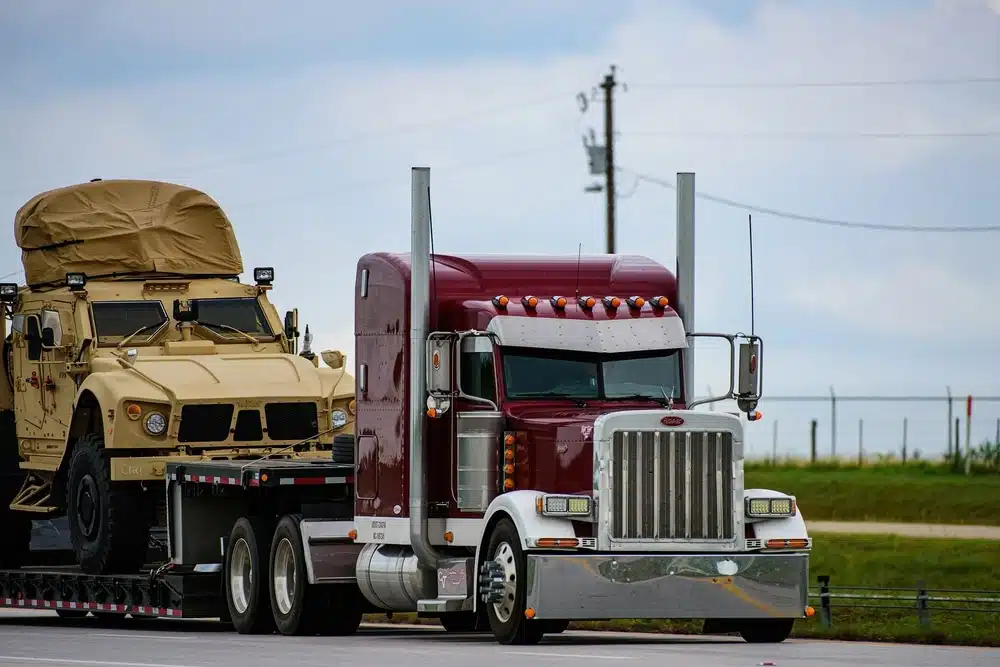
Military discounts are widely advertised in the auto transport industry, but many service members and military families are left with the same questions: How much can you really save? Who qualifies? Do you need to provide proof? And is the “military discount” actually better than a standard quote?
The answer is that military discounts can be useful, but they should be evaluated carefully. A discount is only valuable if the total price is realistic and the company can actually assign a qualified carrier within your required timeframe. Many service members start comparing military car shipping options as soon as they receive PCS orders so they can understand pricing, eligibility, pickup windows, and documentation before the move becomes urgent.
This guide explains how military auto transport discounts work in 2026, how to claim them, and how to avoid common pricing traps.
Who Usually Qualifies for Military Discounts?
Eligibility varies by company, but many providers extend military pricing to:
- Active-duty service members
- National Guard members
- Reservists
- Veterans
- Retired military personnel
- Military spouses
- Dependents moving under PCS orders
- Department of Defense civilian employees in some cases
Not every company uses the same eligibility rules. Ask directly whether the discount applies to your situation before booking.
If you are arranging transport for a spouse, dependent, or family member, explain that clearly. Some companies may require the service member to be listed on the booking or provide supporting documentation.
What Kind of Discount Should You Expect?
There is no universal military auto transport discount.
Some companies offer:
- A flat dollar amount
- A percentage off the quote
- A waived fee
- Priority scheduling
- A promotional rate on selected routes
The actual savings can vary based on distance, season, vehicle size, and carrier demand.
For example, a company may advertise a large percentage discount, but the starting quote may be inflated. Another company may offer a smaller discount but provide a more realistic final price.
The number you should compare is the all-in price, not the discount label.
How to Claim a Military Discount
The process is usually straightforward, but it is best to ask before receiving a final quote.
Step 1: Mention Military Status Early
Tell the company you are active duty, a veteran, a spouse, a dependent, or otherwise eligible when you request the quote.
Do not wait until after booking. Some discounts must be applied before the order is submitted to the carrier network.
Step 2: Ask What Proof Is Required
Companies may ask for documentation such as:
- Military ID
- PCS orders
- Veteran identification
- DD Form 214
- A dependent ID
- A letter or document confirming military affiliation
Never send more personal information than necessary. Ask whether sensitive details can be redacted.
Step 3: Confirm the Discount in Writing
Before paying a deposit, ask for a written quote that clearly shows:
- Total estimated price
- Military discount amount
- Deposit amount, if any
- Remaining balance
- Included services
- Any possible additional charges
A verbal promise is not enough. Make sure the discount is reflected in the booking confirmation.
Step 4: Confirm Whether the Price Is Market-Realistic
Auto transport pricing is based on carrier demand and available routes. A quote that is too low may not attract a carrier, even if it includes a military discount.
Ask:
- Does this quote reflect the current carrier market?
- Is the military discount already included?
- Could the price change if a carrier cannot accept this rate?
- What happens if pickup is delayed?
Clear answers help you avoid surprises.
Why PCS Season Makes Discounts More Complicated
Many military moves happen during late spring and summer. Unfortunately, that overlaps with the busiest period of the year for auto transport.
During peak PCS season:
- Carrier availability can decrease
- Rates can increase
- Pickup windows can become less flexible
- Last-minute bookings can be more expensive
A military discount may still apply, but it may not offset the full impact of seasonal demand.
The best way to protect your budget is to request quotes early and book two to four weeks before pickup when possible. For summer moves, remote locations, or cross-country shipments, four to six weeks is even better.
Do Not Choose Based on the Biggest Discount
This is the most important rule.
A large discount does not automatically mean the lowest or best final price.
Be cautious if a company:
- Gives a quote far below every other estimate
- Cannot explain how the price was calculated
- Promises exact pickup times without flexibility
- Avoids questions about insurance
- Requests a large payment before carrier assignment
- Cannot provide FMCSA registration details
A realistic quote with transparent communication is usually more valuable than an aggressive discount attached to an unreliable estimate.
Open vs. Enclosed Transport and Discount Eligibility
Most military vehicle shipments use open transport.
Open transport is generally best for:
- Sedans
- SUVs
- Pickup trucks
- Family vehicles
- Daily-driver cars
It is more affordable and has more carrier availability.
Enclosed transport provides additional protection and is typically used for:
- Luxury vehicles
- Classic cars
- Collector vehicles
- Exotic cars
- Low-clearance performance cars
Enclosed shipping often costs 30% to 60% more than open transport. Some companies apply military discounts to both options, while others limit them to open transport. Ask before assuming.
What Is Included in the Quote?
Before comparing providers, make sure you are comparing the same service.
Ask whether the quote includes:
- Door-to-door pickup and delivery
- Carrier cargo insurance
- Fuel surcharges
- Booking or dispatch fees
- Vehicle type and condition
- Open or enclosed transport
- Any military discount
- Taxes or other fees, where applicable
You should also ask whether pickup and delivery are exact appointments or flexible windows. Most auto transport shipments operate with windows because carriers manage multiple vehicles along a route.
Prepare Your Vehicle Correctly
Once your shipment is booked, prepare the car before pickup:
- Wash it so existing marks are visible.
- Take photos of every side, wheels, windows, and existing damage.
- Remove personal belongings and valuables.
- Leave about one-quarter tank of fuel.
- Remove toll tags.
- Check tire pressure and battery condition.
- Disclose leaks, mechanical issues, modifications, or low ground clearance.
At pickup and delivery, inspect the vehicle and review the Bill of Lading carefully.
Can the Military Reimburse Car Shipping?
Do not assume commercial car shipping is automatically reimbursable.
Reimbursement depends on your branch, orders, assignment type, location, and travel entitlements. Domestic PCS moves, overseas assignments, and special circumstances can have different rules.
Check with your installation transportation office, finance office, or official relocation resources before booking. Keep copies of orders, quotes, receipts, and transport documents.
Common Mistakes to Avoid
Avoid waiting until the final week of a PCS move.
Avoid assuming every military discount is the same.
Avoid sending unnecessary personal information.
Avoid choosing only the lowest quote.
Avoid ignoring insurance and carrier credentials.
Avoid leaving valuables or personal documents inside the vehicle.
Final Thoughts
Military auto transport discounts can reduce the cost of a PCS move, but the real value comes from getting a transparent, realistic quote and a reliable pickup plan.
Mention your eligibility early, ask what documentation is needed, get the discount in writing, compare the full all-in cost, and book before peak PCS demand limits your options. A little preparation can help you save money without creating new problems during an already demanding move.