

Introduction
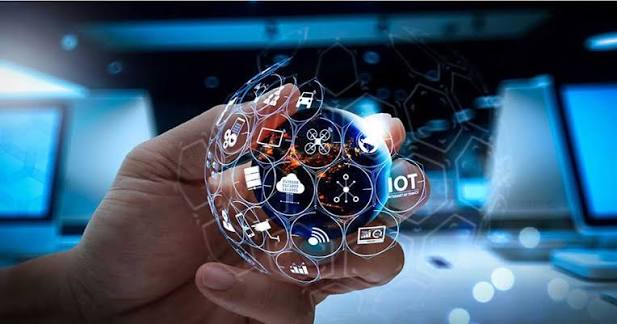
The Internet of Things (IoT) is one of the most transformative technologies of the modern digital era. It refers to a network of physical devices embedded with sensors, software, and connectivity that enables them to collect and exchange data over the internet.
From smart homes and wearable devices to industrial automation and smart cities, IoT is changing the way humans interact with technology and the physical world.
As connectivity expands, IoT is becoming a core foundation of digital transformation across industries.
What is IoT?
IoT (Internet of Things) is a system of interconnected devices that communicate and share data without requiring human intervention.
These devices include sensors, appliances, vehicles, machines, and wearable gadgets.
How IoT Works
IoT systems operate through continuous data collection and communication.
- Devices collect data using sensors.
- Data is transmitted through internet connectivity.
- Cloud or edge systems process the data.
- AI analyzes the information for insights.
- Actions are performed automatically or manually.
This creates an intelligent and connected ecosystem.
Key Components of IoT
Sensors
Collect real-world information such as temperature, motion, and location.
Connectivity
Enables devices to communicate via Wi-Fi, Bluetooth, or 5G.
Data Processing
Analyzes collected data in cloud or edge systems.
User Interface
Allows users to control and monitor devices.
Actuators
Perform physical actions based on system commands.
These components form the IoT ecosystem.
Types of IoT Systems
Consumer IoT
Smart home devices like TVs, lights, and appliances.
Industrial IoT (IIoT)
Used in factories and manufacturing systems.
Healthcare IoT
Wearable health monitoring devices.
Smart City IoT
Traffic systems, smart grids, and public infrastructure.
Agricultural IoT
Smart farming and irrigation systems.
Each type serves different sectors.
Applications of IoT
Smart Homes
Automated lighting, security, and appliances.
Healthcare Monitoring
Real-time patient health tracking.
Smart Transportation
Connected vehicles and traffic systems.
Industrial Automation
Smart factories and predictive maintenance.
Environmental Monitoring
Air quality and weather tracking systems.
Retail
Smart inventory and customer analytics.
IoT is widely used in daily life.
Benefits of IoT
Automation
Reduces human effort through smart systems.
Real-Time Monitoring
Provides instant data insights.
Efficiency
Improves productivity across industries.
Cost Savings
Reduces operational expenses.
Better Decision Making
Data-driven insights improve outcomes.
These benefits drive IoT adoption.
Challenges of IoT
Security Risks
Connected devices are vulnerable to attacks.
Privacy Concerns
Large-scale data collection raises issues.
Network Dependence
Requires stable internet connectivity.
Device Compatibility
Integration between devices can be difficult.
High Implementation Cost
Large IoT systems require investment.
These challenges must be addressed.
Role of Artificial Intelligence in IoT
AI enhances IoT by analyzing large datasets, predicting outcomes, and enabling autonomous decision-making in connected devices.
IoT and Edge Computing
Edge computing supports IoT by processing data closer to devices, reducing latency and improving real-time performance.
IoT in Smart Cities
IoT is a key component of smart cities, enabling intelligent traffic control, energy management, and public safety systems.
Future of IoT
The future of IoT is highly Sunwin link mới nhất, with billions of devices expected to be connected worldwide.
Future developments may include:
Fully Autonomous IoT Systems
Self-managing smart environments.
AI-Integrated IoT Networks
Smarter decision-making devices.
Massive 6G Connectivity
Ultra-fast global device communication.
Smart Everything Ecosystems
Fully connected digital environments.
Global IoT Infrastructure
Worldwide intelligent networks.
IoT will continue to expand rapidly.
Conclusion
The Internet of Things is revolutionizing the way devices, systems, and humans interact. It enables sun win, efficiency, and intelligent decision-making across industries.
Although challenges such as security, privacy, and connectivity exist, continuous advancements are making IoT more powerful and reliable.
In the future, IoT will become a fundamental part of everyday life, connecting billions of devices into a unified intelligent ecosystem.
As technology evolves, IoT will play a central role in shaping the future of smart living and digital transformation.
