

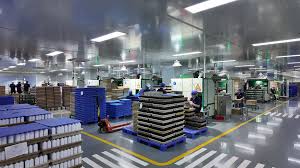
In perfumes , especially, the bottle is as much a part of the product as the scent itself. Consumers base their initial judgments on the packaging: how heavy the cap is, how precise the seal is, how aligned the collar is. Behind that appearance is a manufacturing process where consistency, pace, and quality control decide whether a brand can scale up without diluting the standards that created its cachet.
Why Packaging Quality Matters in Perfume Production
Fragrances sit in a very distinct place among consumer goods. They serve dual purposes — functional and aspirational, as the end user is either buying a personal luxury or gifting a premium product. Any packaging malfunction on any level- a loose cap, an uneven crimp, an ill-fitting overcap- signals low quality, no matter what is inside the bottle. For the brands battling it out in the prestige and mid-market arenas, packaging integrity isn’t a side issue. A Direct Indicator of Product Value and Customer Loyalty.
In addition to aesthetics, capping also protects the formulation. Fragrances are made with volatile aromatic compounds that evaporate at a high rate when exposed to air. A loose cap leads to a steady rate of micro-evaporation that changes the scent profile over time, decreasing shelf life and causing the type of customer complaints that hurt brand popularity.
The Limitations of Manual Capping
Small fragrance houses often start capping manually — doing the placement and pressing of the caps by hand, or with rudimentary handheld equipment. This is a feasible strategy at extremely low volumes, but it can cause headaches when you start scaling production. Sozzle torque differs from operator to operator and shift to shift, which leads to different seal tightness. Some are over-tightened, with the risk of cracking the cap or damaging the pump. Others are too loose, and product evaporates, or containers leak during transit.
Manual capping also causes repetitive strain to machine operators under pressure of volume increases, leading to more mistakes being made and higher risk of RSIs. The quality check on bottles that are capped manually needs dedicated manpower, increasing cost but not production capacity.
How Automated Equipment Transforms the Process
A well-designed perfume capping machine removes the variability of manual processes and applies a known torque that is precisely controlled and programmable across every cap on the production run. Add to that the servo-driven capping heads that ensure that the application force is constant, which now has to consider operator fatigue, shift changes, and production speed. The result is equal seal integrity on every single unit — a quality baseline that manual methods just can’t hold.
These automated systems can also be linked up directly to filling and labeling lines to further streamline production, providing a smooth flow that eliminates time waste moving from one station to the next. Inline torque verification sensors may identify out-of-specification caps in real time, preventing defective products from being packaged and eventually delivered to the customer.
Production Consistency and Quality Control
Consistency is the basis for quality control in fragrance production. Automated capping systems record torque information for each container and produce a production report that can be used to support internal quality audits as well as documentation for compliance with regulations in those countries where required. When a quality problem occurs, traceable production information enables the manufacturer to pinpoint the affected batch, determine the cause, and take corrective action — rather than executing wide-scale recalls based on partial knowledge.
Scalability for Growing Fragrance Brands
A fragrance house transitioning from artisan production to retail distribution encounters a point of diminishing returns where the manual processes are the greatest limitation to growth. Purchasing a perfume closing machine at this stage eliminates the bottleneck, enabling production to grow with demand rather than with the available workforce. Today, systems can be configured for multiple cap styles: crimp caps, screw caps, magnetic overcaps, and pump assemblies, making a single investment even more adaptable to a growing line of products from a brand.
Future Automation Trends in Fragrance Production
Vision-guided robots are now more commonly found on fragrant packaging lines for cap placement confirmation, label verification and final presentation review. Collaborative robots are enabling smaller manufacturers to automate without the extensive footprint and capital cost of conventional hard automation. With these technologies more accessible, even niche fragrance houses will be using automated capping and quality verification as standard, not competitive, practice.
Conclusion
Fragrance production yields, after all, are a matter of quality as much as they are efficiency. Automated capping technology meets these two requirements by providing the consistency that protects brand reputation and covers commercial growth with capacity. For any perfume manufacturer that wants to grow its output without compromising on the exactitude required by high-end packaging, automation is not a future option. For us, it is a~presentor imminent need.