

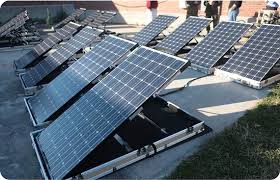
Energy self-sufficiency is now within reach. From rural villages to isolated industries and green-minded homes, off-grid solar systems have matured from niche technology to mainstream infrastructure. With concerns over grid reliability and the cost of electricity rising around the world, a growing number of people are investing in self-contained power systems that function completely off the utility grid, for both home and business use.
The Growing Demand for Off-Grid Energy Systems
Power cuts, increasing prices, and limited grid access in developing countries are driving demand for off-grid alternatives. In Pakistan, parts of Africa, and rural areas of Asia, entire villages rely on solar-based systems for electricity. Even in urban centers that are connected to the grid, companies are going off-grid, on-site, as secondary infrastructure to guard critical operations against load-shedding and power surges. The worldwide off-grid solar industry is estimated to experience robust growth over the forecast period of 2022-2030, attributable to demand-based as well as sustainability goals.
Core Components of an Off-Grid Solar Setup
An off-grid system is a complex system that involves multiple interconnected parts. Solar panels absorb sunlight and transform it into direct current (DC) electricity. A charge controller manages the energy flow toward the battery bank to avoid the risk of overcharging and increase battery life. The battery bank holds energy to be used in the nighttime or on cloudy days. And finally, an inverter turns the stored DC power into AC power, which is used to run your regular appliances and tools.
All the parts need to be properly sized and matched. No matter how efficient the panels are, an under-sized battery bank just won’t support the loads overnight.
Why Inverter Technology Is Central to System Performance
The inverter could be considered the heart of any off-grid system. It affects the quality of the output, the efficiency of the system, and the magnitude of the load. A pure sine wave inverter provides clean and stable power for sensitive electronics, medical equipment, and variable speed motors, which are widely used in our daily life and modern commercial environment. Modified sine wave inverters are cheaper, but they can make precision devices overheat or behave erratically.
Efficiency ratings are very important. A good quality inverter running at 95% efficiency will waste much less energy in conversion than a cheap one running at 85%, a difference that will be compounded over years of daily running. From a dive into details, a reliable off-grid inverter manufacturer can produce efficient performance, integrated protection functions, such as overload protection or temperature control, third-party certification, and a service-friendly term of warranty.
Factors That Affect Inverter Performance
There are a few factors that affect inverter performance in the field. Ambient temperature is important; inverters operating in a non-ventilated environment have to thermally throttle their power output. The type of load makes a difference, as well: large inductive loads, such as pumps and air conditioners, produce startup surges that cheap inverters aren’t able to handle consistently. Altitude, humidity, dust, and exposure to industrial or farm conditions also strain the components if they aren’t designed for such abuse.
Benefits for Homeowners and Businesses
A resident of a city with frequent power cuts has access to dependable electricity for lighting, refrigeration, and internet access without the burden of monthly utility bills. A small company with cold storage or production equipment stops losing output due to outages. Isolated farm operations can operate irrigation pumps and processing equipment in locations where extending the grid is uneconomical.
These advantages scale with system quality. Selecting a reliable off-grid inverter manufacturer will result in fewer field failures, lower overall maintenance costs, and more confidence in system uptime.
Key Considerations When Selecting a Supplier
Indicators such as IEC 62109 or UL 1741 are evidence of safety and performance compliance, so check such certifications before you commit to a supplier. Evaluate the after-sales support system – is the supplier capable of offering spare parts and technical support in a timely manner? Read warranty conditions thoroughly, especially that which applies under field situations vs lab conditions. Ask for references from similar installations, and consider the supplier’s expertise in systems tailored to your specific load size.
Conclusion
Off-grid solar is a well-established, reliable technology when good quality components are used, and the system is properly designed. The inverter lies at the heart of that reliability equation. Choosing to run a rural home or a commercial building on all-inverter power from a reputable manufacturer and solid inverter technology is the one decision that has the most impact on whether an off-grid system delivers on its promise of real energy freedom.