

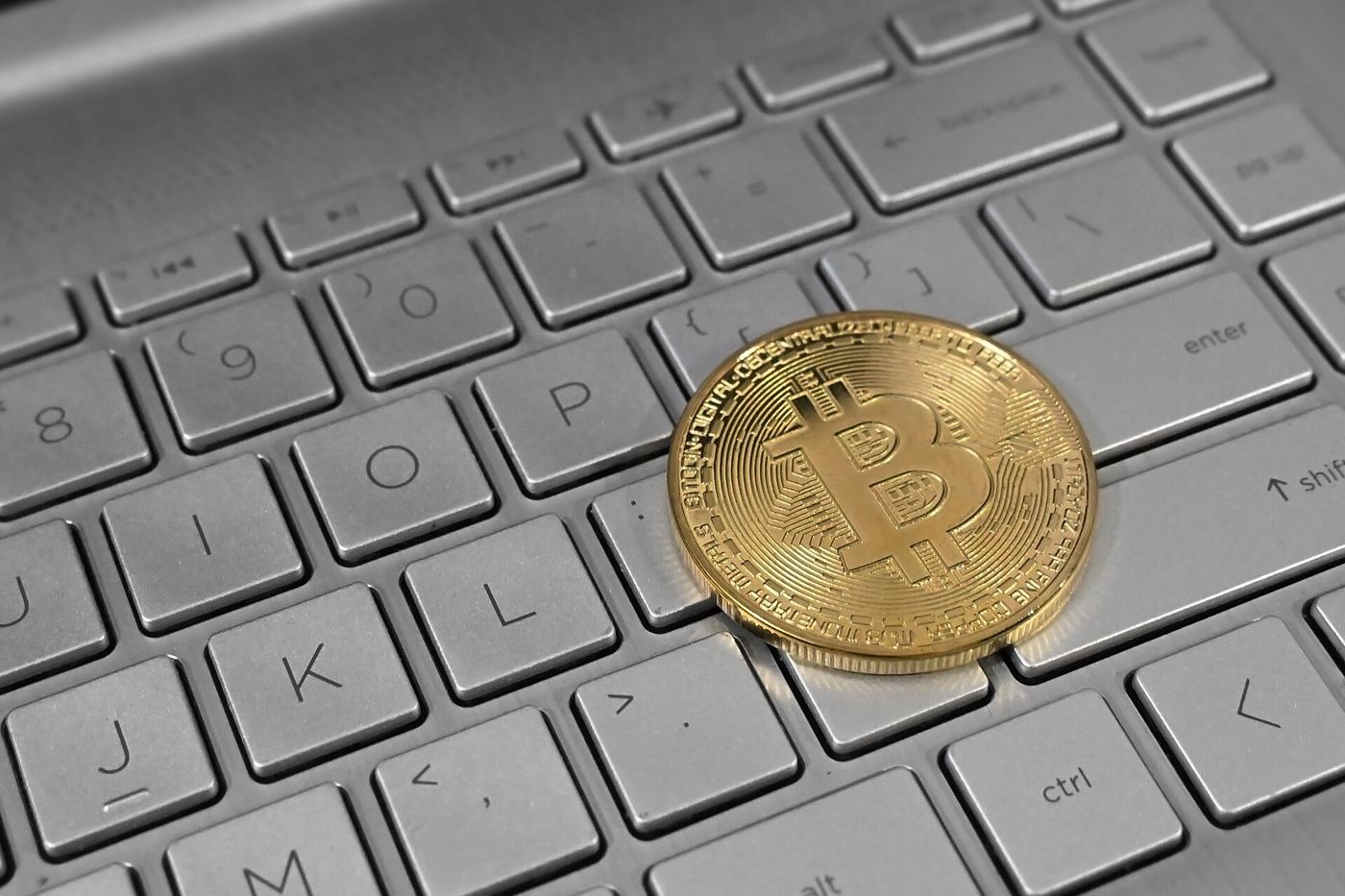
Ripple’s dollar-pegged stablecoin RLUSD reached a record circulating supply of about 2.87 billion dollars on November 21, 2026, overtaking PayPal’s PYUSD and World Liberty Financial’s USD1 in the race among dollar tokens. Data from DefiLlama showed RLUSD at about 2.80 billion dollars in mid-November, up roughly 15 per cent in 30 days, while PYUSD shrank to about 2.63 billion dollars over the same stretch. RLUSD added nearly 1 billion dollars in supply over 90 days through early November, a period in which Tether’s USDT lost about 5 billion dollars. The token, which went live in December 2024, is now the seventh-largest stablecoin, with about 2.07 billion dollars on Ethereum and between 733 million and 761 million dollars on the XRP Ledger.
What the Evidence Shows
Distribution has driven the growth. Robinhood signed a deal to bring RLUSD to its 29 million customers, Coinbase listed the token across retail and Prime, and Moody’s assigned RLUSD a credit rating after Ripple won national trust bank approval from the Office of the Comptroller of the Currency. The contrast with XRP is stark: the token traded below 1 dollar for much of November, around 0.91 to 0.95 dollars, and has fallen more than 50 per cent this year. Ripple says the two assets are complementary, with RLUSD handling dollar settlements and XRP serving as a bridge asset, and it reports more than 1,700 institutional clients. Reporting and analysis from sources such as European Central Bank track the same developments, and specialists following Ripple’s record RLUSD supply say the direction is now consistent across independent lines of evidence.
The Wider Context
The wider context is a sector being absorbed, piece by piece, into the regulated financial mainstream. Work on Ripple’s record RLUSD supply now happens under licensing regimes, audit expectations and consumer-protection rules that would have been unrecognisable a few years ago. Long-standing participants are divided between relief at the legitimacy and regret for the experiment’s wilder freedoms.
What Happens Next
What happens next for Ripple’s record RLUSD supply will be shaped by the interaction of regulation, market appetite and the sector’s own capacity for self-inflicted wounds. The infrastructure is more professional than it was, the rules are clearer, and the remaining question is whether growth can stay boring. Participants with the longest memories say boring would be the real milestone. You can follow related developments in our coverage of crypto.
None of this will be settled by a single announcement, study or product launch. The pattern to watch is accumulation: independent confirmations, honest reporting of failures and steady improvement in the underlying numbers. Readers who follow those signals, rather than the loudest claim of the week, will understand this subject better than most of the commentary surrounding it suggests is possible.
There is a practical lesson in all of this for readers deciding what to do today. Start with the verified facts, be wary of anyone promising certainty, and prefer reversible steps while the evidence is still developing. Circumstances differ by country, income and personal situation, so general guidance should always be weighed against your own context before you act on it in any significant or lasting way.
