

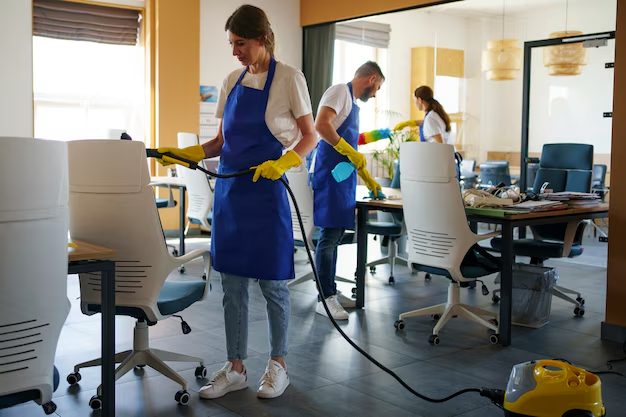
An office environment reflects the way a business operates. Dusty desks, overflowing bins, stained carpets, and neglected shared facilities can make an otherwise professional workspace feel poorly maintained. Employees also spend a significant part of their day using common areas, meeting rooms, kitchens, and washrooms, making regular hygiene a practical workplace requirement. Professional commercial office cleaning services can help businesses maintain clean surroundings, manage everyday dirt, and provide employees and visitors with a more comfortable place to work.
Office cleaning involves more than emptying waste bins and wiping visible surfaces. Different areas experience different levels of use, and each requires an appropriate cleaning routine. Reception spaces need regular attention because visitors use them throughout the day, while kitchens and washrooms require consistent hygiene checks. A well-planned maintenance schedule helps businesses address these needs without disrupting normal operations.
The Reception Area Sets the Workplace Standard
The reception area is often the first part of an office that clients, suppliers, and prospective employees encounter. Marks on glass doors, dusty furniture, dirty flooring, and untidy waiting areas can affect their initial impression of the business.
Since reception spaces experience frequent foot traffic, they require regular cleaning throughout the working week. Entrance mats should be checked for accumulated dirt, while counters, seating, and door handles need attention during routine maintenance.
A reception cleaning checklist should include:
- Dusting reception desks, shelves, decorative items, and furniture.
- Cleaning entrance doors, glass partitions, and accessible windows.
- Vacuuming carpets and removing visible marks from hard floors.
- Wiping seating areas and frequently touched surfaces.
- Emptying waste bins and replacing liners.
- Keeping visitor seating and waiting areas neatly arranged.
Seasonal conditions can also affect entrance cleanliness. Rainy weather may bring mud and moisture indoors, while dry conditions can increase the amount of dust entering through doors. Adjusting cleaning frequency according to foot traffic and weather helps keep the entrance presentable.
Shared Desks and Workstations Need Regular Attention
Employees use desks, keyboards, computer mice, phones, chairs, and storage areas throughout the day. These surfaces can collect dust, fingerprints, food particles, and everyday grime.
Shared workstations require particular care because several people may use the same equipment. Cleaning staff should follow suitable procedures for electronic equipment and avoid applying liquids directly to screens, keyboards, or electrical components.
A practical workstation maintenance routine includes:
- Dusting accessible desk surfaces and shelves.
- Cleaning chair arms, desk edges, and shared furniture.
- Wiping frequently touched surfaces with suitable products.
- Removing rubbish, used tissues, and leftover food packaging.
- Vacuuming carpets around desks and under accessible furniture.
- Checking communal stationery and equipment areas for visible dirt.
Employees should also be encouraged to keep personal belongings organised and remove food waste from desks. These small habits make scheduled cleaning easier and reduce the accumulation of unwanted debris.
Office Kitchens Require Consistent Hygiene Checks
Kitchen facilities are among the most frequently used shared spaces in many workplaces. Employees use them to prepare drinks, store meals, wash dishes, and take breaks. Food spills, crumbs, grease, and overflowing bins can quickly create unpleasant conditions.
A cleaning schedule should cover both visible surfaces and frequently overlooked areas, including refrigerator handles, cupboard fronts, microwave interiors, and sink drains.
The following tasks help maintain a cleaner kitchen:
- Wiping countertops and dining tables after use.
- Cleaning sinks, taps, and splashback areas.
- Removing food residue from microwaves and shared appliances.
- Checking refrigerators for expired or abandoned food.
- Cleaning cupboard handles and appliance exteriors.
- Emptying rubbish and recycling bins regularly.
- Sweeping and mopping floors to remove spills and crumbs.
- Replenishing hand soap and other agreed supplies.
Kitchen cleaning responsibilities can be divided between employees and cleaning staff. Employees should clear their own dishes and food waste, while scheduled cleaning should cover deeper surface care, floors, appliances, and waste disposal.
Washroom Maintenance Goes Beyond Appearance
Washrooms need frequent inspection because they experience repeated use throughout the working day. An apparently clean washroom may still have empty soap dispensers, wet floors, unpleasant odours, or insufficient paper supplies.
These issues can cause inconvenience and affect employee comfort. Regular checks help identify problems before they become persistent complaints.
Essential washroom tasks include:
- Cleaning and disinfecting toilets, urinals, and surrounding surfaces.
- Washing basins, taps, and countertops.
- Cleaning mirrors and accessible wall fittings.
- Mopping floors with appropriate cleaning products.
- Emptying sanitary and general waste bins.
- Refilling soap, paper towels, and toilet tissue.
- Checking drains and addressing unpleasant odours.
- Inspecting cubicle doors, handles, and frequently touched surfaces.
Cleaning frequency should reflect the number of employees, visitor traffic, and the number of available washrooms. Offices with large teams may require multiple checks throughout the day rather than a single cleaning session.
Floor Care Helps Protect Workplace Interiors
Office flooring receives constant use from employees, visitors, delivery personnel, and maintenance teams. Dirt carried inside on footwear can gradually damage finishes and make surfaces appear worn.
Different flooring materials require different maintenance techniques. Carpeted areas may need regular vacuuming and periodic deep cleaning, while vinyl, tile, and polished hard floors require suitable cleaning products and equipment.
Businesses should consider the following floor-care practices:
- Carpeted floors: Vacuum regularly and address spills before stains settle.
- Ceramic tiles: Remove dirt from grout lines and clean surfaces with compatible products.
- Vinyl flooring: Use approved cleaners and avoid abrasive tools that may damage the finish.
- Timber floors: Control moisture and use products designed for the specific floor treatment.
- Entrance flooring: Remove trapped dirt frequently to prevent it spreading throughout the office.
Floor maintenance also supports workplace safety. Spills should be cleaned promptly, wet-floor signs should be displayed where necessary, and walkways should remain free from loose debris.
A Cleaning Schedule Should Reflect Office Activity
Every workplace has different cleaning requirements. A small office with a limited number of employees may need a different routine from a large commercial building with several departments, meeting rooms, and shared facilities.
A fixed schedule helps cleaning teams understand their responsibilities and ensures that important tasks are not overlooked.
Businesses can organise cleaning activities into three categories:
Daily cleaning
- Emptying bins and removing general waste.
- Cleaning washrooms and kitchen surfaces.
- Wiping reception counters and shared touchpoints.
- Vacuuming or mopping high-traffic areas.
- Checking meeting rooms and communal spaces.
Weekly cleaning
- Cleaning accessible internal glass and partitions.
- Dusting higher shelves and less frequently used surfaces.
- Cleaning chair bases and furniture edges.
- Addressing marks on walls and doors.
- Giving additional attention to corners and floor edges.
Periodic deep cleaning
- Shampooing carpets and treating persistent stains.
- Cleaning upholstery and fabric-covered furniture.
- Washing accessible window interiors.
- Removing accumulated dirt from difficult-to-reach areas.
- Reviewing ventilation grilles and other accessible fixtures.
Klarra recognises the importance of maintaining consistent standards across frequently used indoor spaces. An organised cleaning arrangement allows businesses to account for different room requirements, cleaning frequencies, and operational schedules.
Choosing a Cleaning Arrangement That Fits Business Operations
The cleaning arrangement should support normal business activity rather than interrupt it. Some offices prefer cleaning after employees leave, while others require daytime assistance for washrooms, kitchens, and reception areas.
Before appointing a cleaning provider, businesses should assess their actual requirements and clarify the scope of work.
Consider these factors during the selection process:
- Cleaning experience: Look for experience with offices of a similar size and layout.
- Task coverage: Confirm which rooms, surfaces, and facilities are included.
- Scheduling: Establish suitable cleaning hours around employee attendance.
- Cleaning materials: Check whether the provider supplies suitable equipment and products.
- Staff training: Ask about cleaning procedures, equipment handling, and workplace safety.
- Quality checks: Establish how completed tasks and recurring concerns will be monitored.
- Communication: Agree on a clear process for reporting maintenance issues or requesting additional attention.
A clearly defined arrangement reduces confusion and gives businesses a practical way to review cleaning standards over time.
Give Employees a Workplace They Can Feel Comfortable In
A clean office supports everyday activities, from focused desk work to team meetings and client visits. Businesses can maintain better workplace conditions by combining regular professional cleaning with simple employee habits, such as keeping desks organised, disposing of food waste, and reporting spills promptly.
For businesses planning to improve their workplace maintenance arrangements, take time to review the cleaning requirements of each area and know about us to discover how Klarra can support a cleaner, more organised office environment. A consistent maintenance routine helps protect workplace interiors while giving employees and visitors a more pleasant space throughout the working week.
