

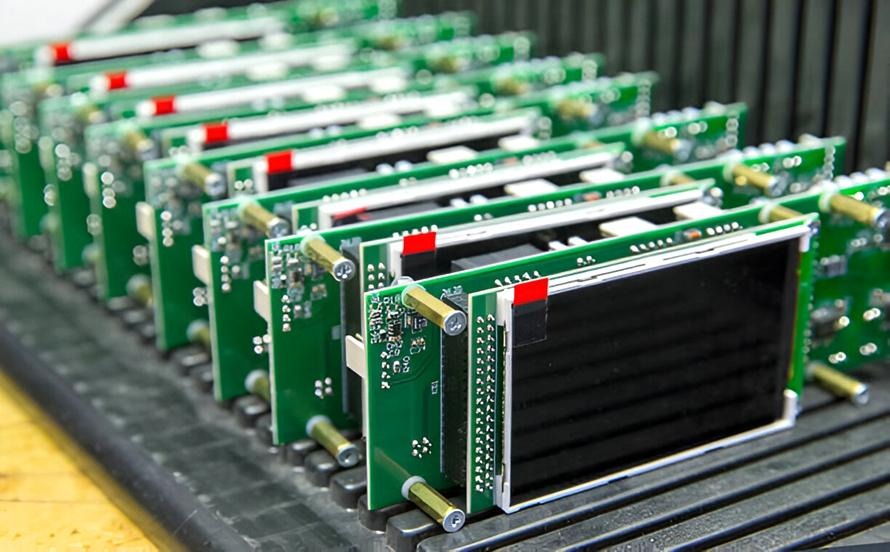
Printed circuit boards are essential components in modern electronic products, providing the electrical connections that allow different components to communicate and perform specific functions. From industrial automation systems and automotive electronics to consumer devices and medical equipment, assembled PCBs support a wide range of applications. A PCB board assembly company helps businesses transform bare circuit boards into functional electronic assemblies through component placement, soldering, inspection, and testing.
Selecting the right manufacturing partner is important for maintaining product quality, controlling production costs, and meeting delivery schedules. Understanding the assembly process, available technologies, and manufacturing capabilities helps businesses identify a supplier that can support their technical requirements and production goals.
What Does a PCB Board Assembly Company Do?
A PCB board assembly company installs electronic components onto fabricated printed circuit boards according to approved design files and manufacturing specifications. The finished product, commonly called a printed circuit board assembly (PCBA), contains the components and connections required to perform the intended electronic functions.
Typical components include integrated circuits, resistors, capacitors, diodes, transistors, connectors, and power management devices. Depending on the application, an assembled board may also contain sensors, communication modules, or specialized control components.
Manufacturing capabilities vary between suppliers. Some companies focus primarily on component placement and soldering, while others provide additional support, including component procurement, PCB fabrication, engineering reviews, electrical testing, and complete electronic product integration.
Before starting production, businesses should clarify the required scope of work. Understanding which services are provided directly and which are managed through external suppliers helps establish realistic expectations for quality, cost, and delivery.
Common PCB Assembly Technologies
The assembly technology depends on component types, circuit board design, electrical requirements, and production volume. Understanding the available methods helps manufacturers select an appropriate production process.
Surface-Mount Technology
Surface-mount technology (SMT) is widely used in modern electronics manufacturing. Components are mounted directly onto conductive pads on the PCB surface, allowing compact layouts and automated production.
The process generally includes solder paste printing, automated component placement, and reflow soldering. Solder paste is applied to the appropriate pads, components are positioned using pick-and-place equipment, and controlled heating forms the required solder connections.
SMT supports high component density and efficient production. It is commonly used in consumer electronics, industrial controllers, communication equipment, and automotive systems.
Through-Hole Technology
Through-hole technology (THT) involves inserting component leads through drilled holes in a PCB and soldering them to conductive pads. This method is frequently used for connectors, larger components, and parts requiring strong mechanical attachment.
Depending on the board design, manufacturers may use manual soldering, wave soldering, or selective soldering. Although through-hole assembly can require additional processing time, it remains important for many electronic applications.
Mixed-Technology Assembly
Some circuit boards combine surface-mount and through-hole components. These assemblies require careful planning because different components may have different soldering and thermal requirements.
Manufacturers must determine the appropriate assembly sequence, soldering method, and inspection process to prevent component damage and maintain connection quality. Mixed-technology assembly is common in products that combine compact integrated circuits with larger connectors or power components.
The PCB Board Assembly Manufacturing Process
A structured production workflow helps ensure that assembled circuit boards meet their engineering specifications.
The process begins with an engineering review of the PCB layout, schematic, bill of materials (BOM), Gerber files, and assembly drawings. Design-for-manufacturing analysis can identify potential problems, such as insufficient component spacing, unsuitable pad dimensions, and inaccessible test points.
After design approval, the required components are sourced according to the BOM. Incoming inspection may include checking part numbers, package types, supplier documentation, and visible component condition. Appropriate sourcing procedures help reduce the risk of incorrect or unsuitable components entering production.
For SMT assembly, solder paste is applied through a stencil before automated equipment places components on the board. The PCB then passes through a reflow soldering process, where controlled heating forms electrical and mechanical connections.
Through-hole components are installed and soldered using the method selected for the design. Once assembly is complete, inspection and testing help identify defects before the boards are delivered or integrated into finished products.
Quality Control and Testing in PCB Manufacturing
Quality control is essential because assembly defects can affect electrical performance, product reliability, and operating safety. Manufacturers use different inspection and testing methods according to the complexity and intended application of each board.
Automated optical inspection (AOI) uses cameras and image-processing systems to detect visible defects, such as misplaced components, solder bridges, and certain soldering problems. X-ray inspection can help evaluate hidden solder joints in packages such as ball grid arrays.
Electrical testing provides additional verification. Continuity checks identify open or unintended connections, while in-circuit testing evaluates selected electrical characteristics. Functional testing determines whether the assembled board operates according to its intended design.
Documented work instructions, equipment maintenance, operator training, and process monitoring also support consistent results. Where required, traceability records help manufacturers track component sources, production batches, and inspection results.
The testing strategy should reflect the product’s requirements. Electronic boards used in industrial or medical applications may require different verification procedures from those used in basic consumer products.
Benefits of Working With an Experienced PCB Assembly Manufacturer
Partnering with an experienced manufacturer can provide several practical advantages.
Access to specialized equipment: Automated placement systems, reflow ovens, inspection equipment, and electrical testing resources help support accurate production.
Improved manufacturing efficiency: Established workflows and standardized procedures can reduce assembly errors, rework, and unnecessary delays.
Component sourcing support: Experienced procurement teams can help manage component availability and identify supply chain risks before production begins.
Flexible production volumes: Depending on available capacity, manufacturers may support prototypes, small batches, medium-volume orders, and larger production runs.
Engineering assistance: Design reviews can identify manufacturing limitations and suggest improvements before production starts.
Consistent quality management: Appropriate inspection procedures and documented processes help maintain repeatable assembly quality.
These benefits depend on the supplier’s actual capabilities, equipment, quality systems, and experience with the relevant product category.
How to Choose the Right PCB Board Assembly Manufacturer
Selecting a suitable manufacturing partner requires evaluating technical capabilities, quality management, and production flexibility. Businesses should confirm that the supplier can support the required PCB dimensions, component packages, assembly technologies, and order quantities.
Inspection and testing capabilities should also match the product’s requirements. Ask about AOI, X-ray inspection where appropriate, electrical testing, functional verification, and traceability procedures. Relevant certifications should be verified against the specific manufacturing facility and scope of work.
Component sourcing is another important consideration. A capable supplier should explain how it manages component shortages, obsolete parts, and proposed substitutions. Any replacement component should receive appropriate engineering approval before implementation.
Communication and delivery transparency also matter. Manufacturers should provide realistic production estimates, identify potential risks, and communicate changes that could affect project timelines. Prototype production can help validate a design before larger manufacturing runs begin.
Comparing suppliers on overall value rather than price alone helps businesses account for quality, delivery reliability, engineering support, and potential rework costs.
Conclusion
A PCB board assembly company plays an important role in transforming circuit board designs into functional electronic products. The process combines engineering review, component sourcing, precise placement, soldering, inspection, and testing to achieve consistent manufacturing results. Selecting a suitable supplier helps businesses manage technical challenges, maintain product quality, and adapt to changing production requirements.
Whether developing a new electronic device or expanding an established product line, businesses should prioritize manufacturing expertise, reliable communication, appropriate quality controls, and scalable production capacity. Working with a qualified partner that provides dependable PCB board Assembly Services can help streamline production and support the long-term performance of electronic products.
