

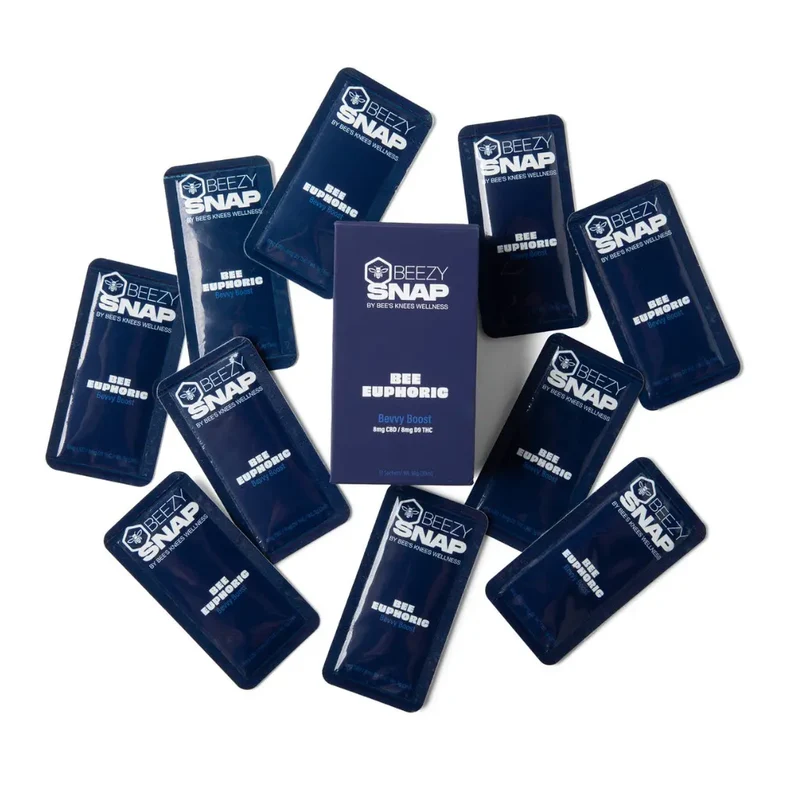
A THC infused beverage is a drink that contains tetrahydrocannabinol (THC), the cannabinoid responsible for the intoxicating effects associated with cannabis. These products can come in several forms, including ready-to-drink beverages, drink powders, liquid enhancers, and concentrated mixers. The amount of THC can vary considerably between products, so checking the label is essential before consuming one.
THC beverages have also created an alternative format for adults who prefer consuming THC as part of a drink rather than through other cannabis products. Some formulations contain THC alone, while others combine THC with CBD or additional cannabinoids. For anyone new to this category, understanding the ingredients, serving size, product format, and testing information can make it easier to evaluate different options.
What Is a THC Infused Beverage?
A THC infused beverage is a drink formulated with a measured amount of THC. The THC may already be incorporated into a finished beverage or provided separately as a liquid product designed to be mixed into another drink. In both cases, the product label should state the amount of THC provided per serving.
The experience of consuming THC through a beverage can differ from inhaled cannabis because the body processes orally consumed THC differently. The time before effects are noticed can vary based on factors such as the product formulation, serving size, individual metabolism, and whether food has been consumed. For this reason, consumers should follow the manufacturer’s serving directions instead of assuming that different THC products will produce identical results.
Consumers should also distinguish between the amount of THC in a single serving and the total amount contained in an entire package. A product may contain multiple servings, with each serving providing a specific quantity of THC. Reading these details carefully helps prevent accidental overconsumption.
THC Drinks vs. Traditional Cannabis Products
THC beverages provide a different consumption format from products such as cannabis flower, vapes, or traditional edibles. Instead of inhaling cannabis or eating a solid edible, the consumer takes THC as part of a beverage or adds a measured THC product to a drink.
The format also makes the serving information particularly relevant. A beverage can contain a clearly stated quantity of THC, but consumers still need to understand how many servings are included and how much THC is present in each one. Product instructions should always take priority over general assumptions about serving sizes.
How Do THC Beverages Work?
After a THC beverage is consumed, the body processes the THC through the digestive system. This means the timing of noticeable effects can differ from inhaled cannabis. Some people may notice effects sooner or later than others, and factors such as metabolism, food intake, tolerance, and product formulation can influence the experience.
There is no universal timeline that applies to every THC beverage. Consumers should avoid taking additional servings simply because effects are not immediately noticeable. Following the product’s directions and allowing sufficient time before considering another serving is a more cautious approach.
Why Serving Size Matters
THC is commonly listed in milligrams on product packaging. This measurement tells consumers how much THC is contained in a specified serving. Understanding the difference between per-serving and total-package amounts is especially important when a package contains several individual servings.
When reviewing a THC beverage, pay attention to:
- THC amount per serving
- Number of servings in the package
- Total THC contained in the package
- Recommended serving instructions
- CBD content, if included
- Additional cannabinoid information
Individual responses to THC can vary, so a serving that feels appropriate for one person may not feel the same for another. New consumers should pay close attention to the manufacturer’s directions and avoid treating THC products as interchangeable.
Common Types of THC Beverages
THC beverages are available in several formats. Understanding the difference can help consumers identify which type matches their preferred way of preparing and consuming drinks.
Ready-to-Drink THC Beverages
Ready-to-drink products contain THC within a finished beverage. They may be sold in cans, bottles, or other sealed formats and can come in different flavors and beverage styles. The THC amount is generally listed on the packaging, allowing consumers to determine the amount provided in each serving.
The main convenience of this format is that the beverage is already prepared. Consumers do not need to measure a separate ingredient or create a drink before consuming it. Even so, the serving information and product directions should be reviewed before use.
THC Drink Mixers and Liquid Enhancers
Liquid THC products provide another way to prepare a THC beverage. Rather than purchasing a finished drink, consumers can add a measured amount of the product to a compatible beverage. This allows the drink itself to remain customizable.
A thc infused drink mix can be used with different beverage bases according to its product directions. The format may appeal to consumers who want to choose their preferred drink while keeping track of the amount of THC being added.
THC and CBD Beverages
Some beverages combine THC with CBD. THC and CBD are different cannabinoids, and their presence in the same product does not mean they should be treated as identical ingredients.
When evaluating a THC and CBD beverage, check the amount of each cannabinoid separately. Product labels should provide clear information about the cannabinoid content and serving size. Avoid relying solely on the total cannabinoid amount because THC and CBD serve different roles within the formulation.
What Goes Into a THC Beverage?
The exact ingredients depend on the product. THC beverages can contain cannabinoids along with water, flavoring ingredients, sweeteners, acids, extracts, or other components used to create the desired taste and texture.
The cannabinoid information deserves particular attention. Consumers should look for the specific amount of THC per serving and check whether CBD or other cannabinoids are included. This information makes it easier to compare products based on their actual formulation instead of packaging claims.
THC and Other Cannabinoids
Delta-9 THC is a specific form of THC commonly identified on hemp-derived product labels. CBD is another cannabinoid that may appear in some beverage formulations. A product containing both should clearly identify the amount of each cannabinoid.
Consumers should also look for testing information when available. A Certificate of Analysis, commonly called a COA, can provide laboratory information about cannabinoid content and other tested characteristics of a product.
Flavoring, Sweeteners, and Other Ingredients
The beverage base can contain a range of ingredients depending on the formulation. Some products may use natural or artificial flavors, sweeteners, acids, botanical ingredients, or other components.
Reviewing the complete ingredient list is useful for anyone with dietary restrictions, ingredient sensitivities, or specific preferences. It also provides a clearer picture of what is actually contained in the product.
Hemp-Derived THC Drinks vs. Marijuana-Derived THC Drinks
The terms hemp-derived THC and marijuana-derived THC refer to products sourced from different types of cannabis plants. Hemp-derived THC products are subject to specific legal requirements, while cannabis laws can differ considerably between states and jurisdictions.
Consumers should not assume that a product’s availability online means it is legal everywhere. Federal and state regulations can change, and different locations may have their own requirements concerning THC concentration, purchasing, possession, shipping, and consumption.
Checking the laws that apply to your location is therefore an important part of purchasing any THC product.
What Does Delta-9 THC Mean?
Delta-9 THC refers to delta-9-tetrahydrocannabinol, a specific cannabinoid found in cannabis and hemp. It is the THC most commonly associated with the intoxicating effects of cannabis.
When a product label identifies Delta-9 THC, consumers can use that information to understand which cannabinoid is being measured. The amount is generally provided in milligrams per serving or per package, depending on the product.
What Should You Check Before Buying a THC Beverage?
A product’s flavor and packaging may attract attention, but the label provides more useful information when comparing THC beverages. Consumers should check the product details before placing an order or consuming the product.
THC Amount Per Serving
Look for the exact THC amount provided in one serving. Also check how many servings are included in the package. This distinction prevents confusion between the THC content of an individual serving and the total amount in the entire package.
Ingredient and Cannabinoid Information
Review the ingredient list and cannabinoid profile. Confirm whether the product contains THC, CBD, or other cannabinoids and check the stated amount of each.
Third-Party Testing and Certificates of Analysis
A Certificate of Analysis can provide laboratory data related to a product’s cannabinoid content and testing results. When available, consumers can review the COA to compare the reported cannabinoid levels with the information shown on the product label.
Packaging, Storage, and Product Instructions
Read all instructions supplied with the product. Storage recommendations, serving directions, expiration information, and other product-specific details should be followed carefully.
THC products should also be kept away from children and pets. Proper storage helps prevent accidental consumption and protects the product from unsuitable conditions.
Who Should Be Cautious With THC Beverages?
THC can produce intoxicating effects, so these products are not appropriate for everyone. Consumers should follow applicable age restrictions and local laws before purchasing or using THC products.
People should not drive or operate machinery after consuming THC. Anyone who takes prescription medication, has an existing health condition, is pregnant or breastfeeding, or has concerns about using THC should speak with an appropriate healthcare professional before consuming a THC product.
Consumers should also avoid treating THC beverages like ordinary soft drinks. The presence of THC means serving information and responsible storage deserve attention.
How THC Beverages Fit Into Different Drink Formats
Sparkling Water and Seltzer-Style Drinks
Sparkling water can provide a simple base for certain THC drink enhancers when the product instructions allow it. Lightly flavored sparkling drinks can also provide flexibility for consumers who prefer to control the taste of their beverage.
Mocktails and Mixed Drinks
THC mocktails combine a non-alcoholic beverage base with a THC product. Fruit juices, sparkling water, herbs, and other ingredients can be used depending on the recipe and product instructions.
The THC amount should be measured according to the product’s serving directions. Adding an unknown quantity can make it difficult to determine how much THC is being consumed.
Everyday Beverage Bases
Some THC drink enhancers can be added to beverages such as flavored water, juice, tea, or other compatible drinks. Product-specific instructions should always determine which beverages are suitable for mixing.
A Practical Checklist for First-Time THC Beverage Buyers
Before purchasing a THC beverage or drink enhancer, review these details:
- THC amount per serving
- Total number of servings
- CBD content, if applicable
- Complete ingredient list
- Certificate of Analysis or laboratory testing
- Recommended serving instructions
- Storage requirements
- Product expiration or best-by information
- Applicable age requirements
- Local laws concerning THC products
- Shipping and purchase restrictions
A clear label makes it easier to understand what you are purchasing and how much THC each serving contains. Products with accessible testing information can also provide more transparency about their cannabinoid content.
Final Thoughts on Choosing a THC Infused Beverage
Choosing a THC infused beverage starts with understanding the label rather than focusing only on flavor or packaging. Check the THC amount, serving size, ingredients, cannabinoid profile, testing information, and product instructions before making a decision.
For first-time consumers, a clearly labeled product with straightforward serving information can make the purchasing process easier to understand. Local regulations should also be checked because THC product requirements vary by location. Taking a few minutes to review these details can help consumers make a more informed choice.
For product questions or additional information, you can contact Beezy Snaps.
Frequently Asked Questions
What is a THC infused beverage?
A THC infused beverage is a drink that contains a measured amount of tetrahydrocannabinol, or THC. It can be sold as a ready-to-drink product or provided as a liquid enhancer or mixer that is added to another beverage.
How long does a THC beverage take to work?
The timing can vary from person to person and depends on factors such as the product formulation, serving size, metabolism, and food intake. Consumers should follow the product’s instructions and avoid taking additional servings simply because effects are not immediately noticeable.
Are hemp-derived THC beverages the same as marijuana-derived THC drinks?
They are not necessarily the same. Hemp-derived THC products come from hemp and are subject to specific legal requirements, while marijuana-derived cannabis products are governed by different regulations. Laws can vary by location, so consumers should check the rules that apply where they live.
What should I look for on a THC beverage label?
Check the THC amount per serving, total number of servings, ingredient list, cannabinoid information, serving directions, storage instructions, and testing information. A Certificate of Analysis can also provide additional laboratory information when one is available.
Can THC beverages contain both THC and CBD?
Yes. Some beverages and drink enhancers contain both THC and CBD. The label should identify the amount of each cannabinoid separately so consumers can understand the formulation and serving information before use.
