

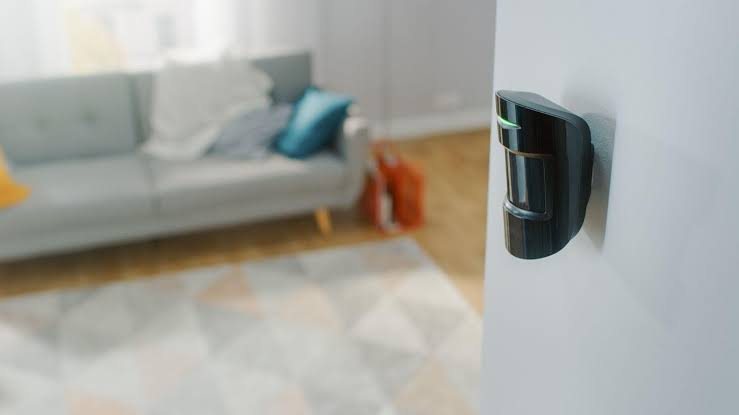
Home security has come a long way from deadbolts and porch lights. Motion detection technology is now one of the most reliable tools homeowners have to protect their property—and for good reason. As break-ins become more sophisticated, so does the technology designed to stop them. This post covers how motion detection works, why it matters, and how to choose the right system for your home.
How Does Motion Detection Technology Work?
At its core, motion detection relies on sensors that identify changes in the surrounding environment. The three most common types are:
- Passive Infrared (PIR): Detects body heat. When a warm object moves through the sensor’s field of view, it triggers an alert.
- Microwave sensors: Emit microwave pulses and measure how they bounce back. Movement disrupts this pattern and sets off the alarm.
- Dual-technology sensors: Combine both PIR and microwave to reduce false alarms. Both sensors must trigger simultaneously before an alert fires.
Modern systems go further by integrating with smart home platforms. When motion is detected, homeowners receive instant notifications on their smartphones—whether they’re in the next room or across the country.
Key Benefits of Motion Detection in Home Security
Immediate threat detection is the most obvious advantage. The moment unusual activity is detected, alerts go out. That speed matters, especially at night or when no one is home.
Fewer false alarms is just as important. Advanced filtering technology—like pet immunity modes and dual-sensor verification—means your system won’t be triggered by every passing car or curious squirrel.
From a financial standpoint, motion detection is a cost-effective alternative to hiring private security or installing a full camera network. A well-placed set of sensors can cover a surprising amount of ground at a fraction of the cost.
Most importantly, there’s the peace of mind factor. Knowing your home is being monitored around the clock changes how you feel when you lock the door behind you.
Sound Effects Arizona: Your Trusted Security Partner
When it comes to implementing the right security setup, working with experienced professionals makes a real difference. Sound Effects Arizona provides homeowners with tailored motion detection solutions designed to match the specific layout and needs of each property. Whether you’re starting from scratch or upgrading an existing system, Sound Effects Arizona brings the expertise to get it right.
Motion Detection Applications for Modern Homes
Motion sensors aren’t just for front doors. Here’s how they’re being used across the home:
- Entry points: Doors, windows, and hallways are the most common placement. These are high-traffic zones for intruders.
- Outdoor perimeters: Driveways, yards, and garden paths benefit from outdoor-rated sensors that can detect movement before someone even reaches the house.
- Indoor zones: Specific rooms—like home offices or living areas—can be covered individually for targeted protection.
- Smart integrations: Sensors can trigger connected devices like smart lighting (flooding an area with light when motion is detected) or activate cameras to begin recording automatically.
How to Choose the Right Motion Detection System
Before purchasing, there are a few practical questions worth asking:
What coverage area do you need? Sensor range varies significantly. Larger properties may require multiple units or sensors with wider detection angles.
Is it compatible with what you already own? If you have a smart home setup—Google Home, Amazon Alexa, Apple HomeKit—check that any new sensor works within that ecosystem.
Wired or wireless? Wired systems are more reliable long-term but require installation. Wireless options are easier to set up and can be repositioned as needed.
Professional monitoring or DIY? A monitored system routes alerts to a security company that can dispatch help. DIY setups put the responsibility back on the homeowner, which works well for those who prefer control and lower monthly costs.
Building a Smarter, Safer Home
Motion detection isn’t a luxury add-on—it’s becoming a core component of any thoughtful home security plan. The technology continues to evolve, with smarter filtering, deeper smart home integration, and longer detection ranges becoming standard.
Take a walk around your property and think about where you feel most vulnerable. That’s usually the best place to start. And if you’re unsure where to begin, connecting with a local expert like Sound Effects Arizona can help you design a system that actually fits your life—not just a generic checklist.
